In today’s globalized era, the export-import trade market is like a vast stage where goods from various countries move back and forth, enacting countless exciting stories. Today, let us delve deeply into this export-import trade market, full of opportunities and challenges.
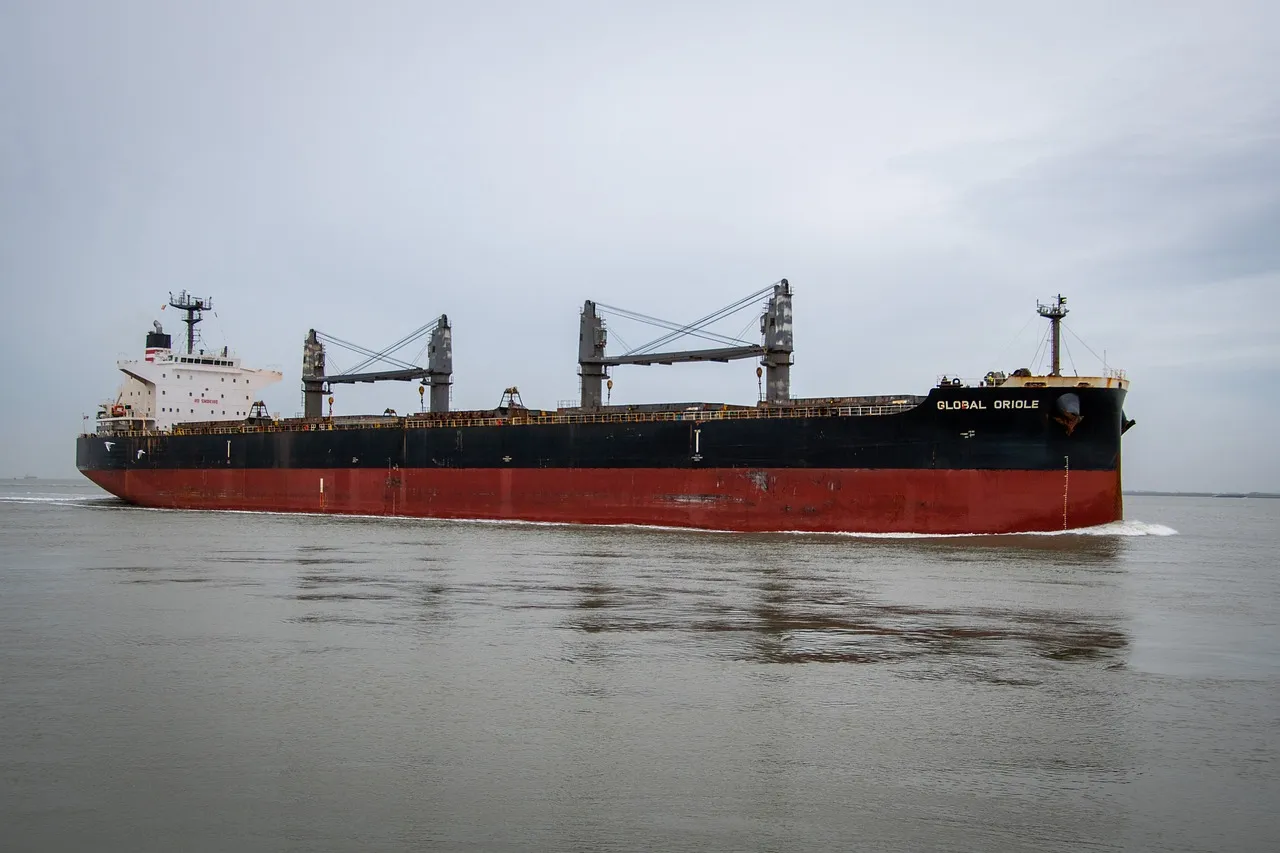
I. Current State of the Export-Import Trade Market
In recent years, the export-import trade market has shown a relatively complex situation. In terms of scale, the total global trade volume has increased amidst fluctuations, but the performance of different regions and industries varies significantly.
- In some traditional manufacturing sectors, such as textiles and toys, due to factors like labor costs, import demand in some developed countries has decreased, shifting sourcing to developing countries with lower labor costs.
- At the same time, the import and export of high-tech products show a vigorous development trend. Demand for advanced technology equipment, electronic products, etc., is constantly rising globally, driving rapid growth in the import and export trade of related fields.
It is worth noting that trade protectionism is also showing signs of resurgence in some regions, bringing a certain degree of uncertainty to the global export-import trade market and increasing trade barriers and friction.
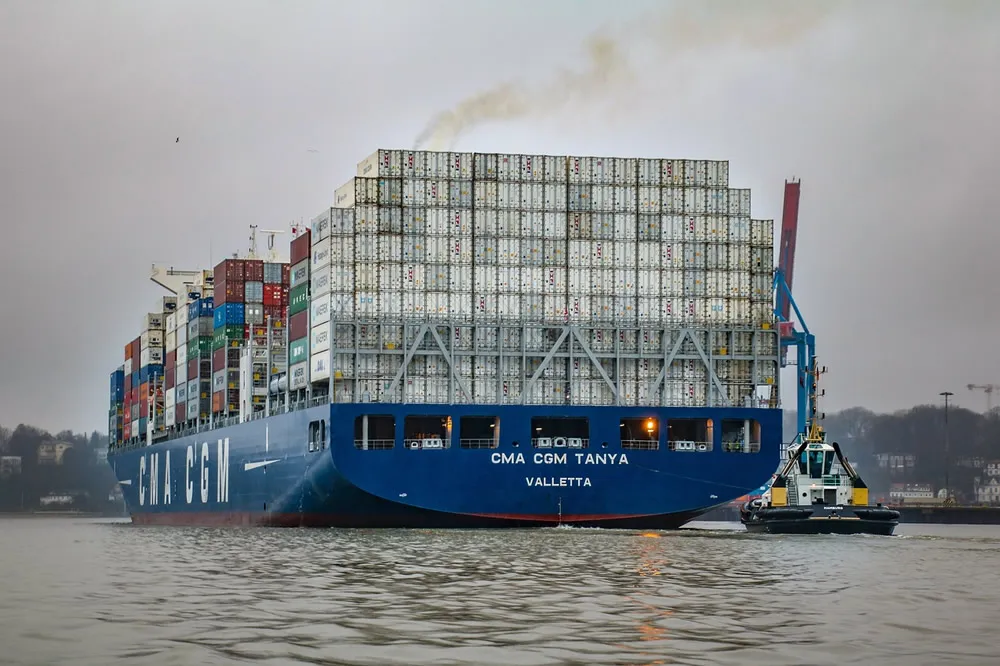
II. Factors Influencing the Export-Import Trade Market
Numerous factors are influencing the direction of the export-import trade market. Firstly, economic conditions are undoubtedly one of the most crucial factors. When the global economy is in a period of prosperity, consumers’ purchasing power increases, and import demand for various goods from all countries will correspondingly increase; conversely, it will decrease.
- Currency fluctuations also have a significant impact on export-import trade. For example, when a country’s currency appreciates, its export prices become relatively higher, potentially reducing its competitiveness in the international market, while imported goods become relatively cheaper due to the appreciation of the domestic currency, potentially increasing import volume.
In addition, changes in policies and regulations cannot be ignored. Tariff policies, trade subsidy policies, etc., issued by governments of various countries will directly alter the costs and profit margins of export-import trade, thereby affecting enterprises’ import and export decisions.
III. Future Trends in the Export-Import Trade Market
Looking ahead, the export-import trade market is expected to show some new trends. With continuous technological advancements, e-commerce will be more widely applied in export-import trade. More and more small and medium-sized enterprises will break through the limitations of traditional trade by leveraging cross-border e-commerce platforms and directly participate in global trade.
- Green and environmental protection concepts will also occupy an increasingly important position in the export-import trade market. Consumer attention to environmentally friendly products is growing, and governments are introducing relevant policies to encourage green trade, which will prompt businesses to pay more attention to meeting environmental standards in their import and export operations.
At the same time, strengthened regional economic cooperation will also bring new opportunities to the export-import trade market. For instance, the signing of various free trade agreements will further reduce trade barriers within regions and promote the free flow of goods and services.
Conclusion: Seize Opportunities, Respond to Challenges
The export-import trade market is undoubtedly a dynamic and unpredictable field. For relevant practitioners, it is essential to closely monitor market dynamics and seize new opportunities brought about by technological advancements and policy changes. At the same time, it is necessary to actively respond to challenges such as trade protectionism and currency fluctuations. Only in this way can one establish a firm foothold in this vast market arena and achieve self-development. So, dear readers, what are your views on the future of the export-import trade market? Feel free to leave your comments in the discussion section.

Neueste Kommentare (0) 0
Einen Kommentar hinterlassen