The crispy golden French fries that crunch late at night while binge-watching dramas, the hearty potato wedges served with ketchup in Western restaurants – these addictive delicacies have likely just finished a cross-border journey. Today, let’s talk about Zhenjiang French Fries Import Customs Declaration Agency – from the cross-border journey of frozen French fries to the crispy surprise on your table, what are the unknown customs clearance codes hidden in between?
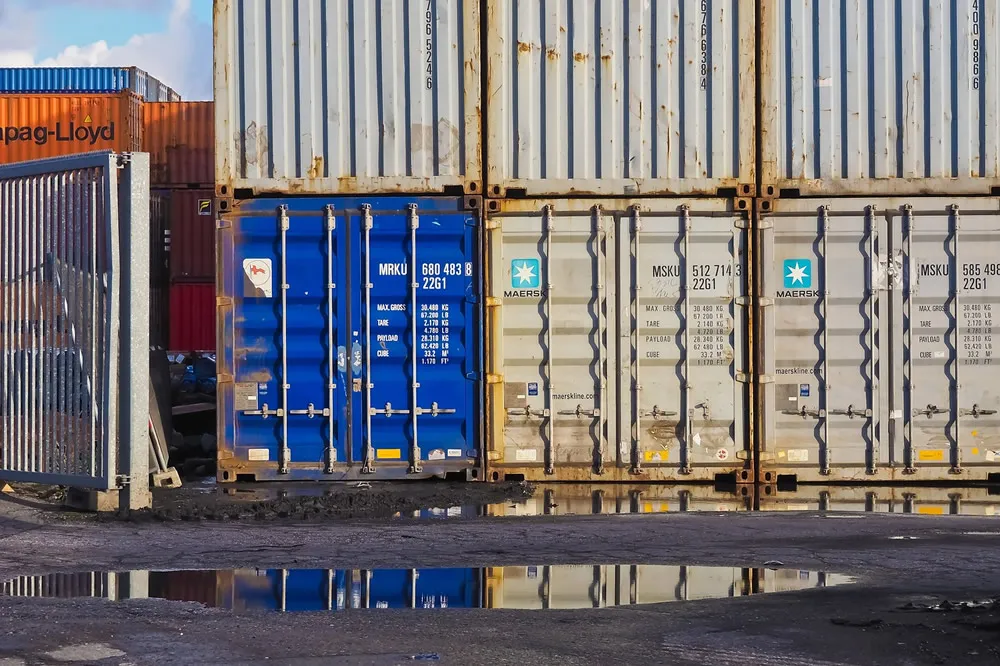
I. The "Golden Three Questions" of French Fries Import
When Mr. Zhang first attempted to import Belgian frozen French fries, he was baffled by the thick declaration forms: Are French fries considered vegetable products or prepared foods? Are quarantine permits required? How are tariffs calculated? These seemingly simple questions are crucial for the smooth customs clearance of the entire shipment.
- Commodity Classification: According to customs regulations, deep-fried frozen French fries are usually classified under heading 2004.10, treated differently from fresh potatoes.
- Quarantine Requirements: A phytosanitary certificate from the country of origin is required, and some countries also require import food registration.
- Tariff Costs: The most-favored-nation tariff rate is currently around 12%, and the value-added tax is 9%, but preferential treatment can be enjoyed through free trade agreements.
II. "Invisible Hurdles" on the Customs Clearance Path
Ms. Li’s Australian French fries were detained at the port for two weeks last year, all because the outer packaging lacked Chinese nutrition labels. Similar detail traps are everywhere in the import process:
- The transportation temperature must be maintained below -18℃ throughout the entire process, otherwise quality issues may arise.
- Food additives must comply with GB2760 standards, especially the use of antioxidants.
- Wooden packaging must have IPPC markings, otherwise fumigation treatment is required.
Professional agency companies provide a triple layer of protection by offering pre-classification recommendations, pre-audits of labels, and pre-audits of testing reports, proactively managing risks.
III. Zhongmaoda Practical Case Analysis
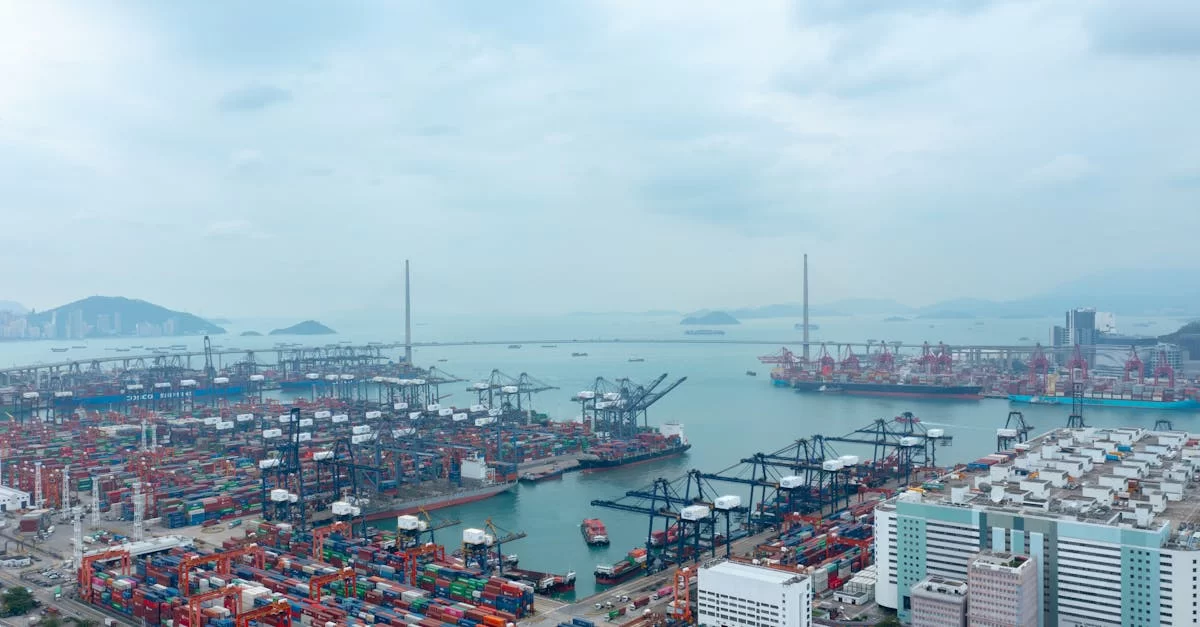
During a rush customs clearance, 200 tons of Canadian French fries were delayed due to a typhoon, facing the risk of demurrage charges. The agency team, through a combination of advance declaration + guaranteed release, completed document review before the ship docked, saving 5 days of warehousing costs. This "race against time" operation is inseparable from:
- A real-time international logistics system
- A pre-registered fast customs clearance channel
- Seamless electronic data integration with customs
IV. Your French Fries Customs Clearance Self-Inspection Checklist
Before importing French fries, you might want to check this customs clearance physical examination form:
- □ Testing report provided by the original manufacturer (focus on acrylamide content)
- □ Bilingual labels in Chinese and foreign languages (net content, ingredient list must be prominent)
- □ Marine transportation temperature record curve
- □ Official health certificate from the exporting country
Food for Thought on the Tip of the Tongue
Next time you bite into crispy imported French fries, take a moment to think: could this delicious journey across half the globe have a more optimized customs clearance solution? Feel free to share your cross-border food import challenges in the comment section, and perhaps we can tailor a solution for you in the next issue.

Neueste Kommentare (0) 0
Einen Kommentar hinterlassen