In the vast landscape of global trade, transit trade transactions are like a mysterious labyrinth, attracting countless traders to explore. Are you curious why goods are not shipped directly from the producing country to the consuming country, but take a detour through a third country? Today, let us enter the world of transit trade transactions together and explore its mysteries.
What is a transit trade transaction
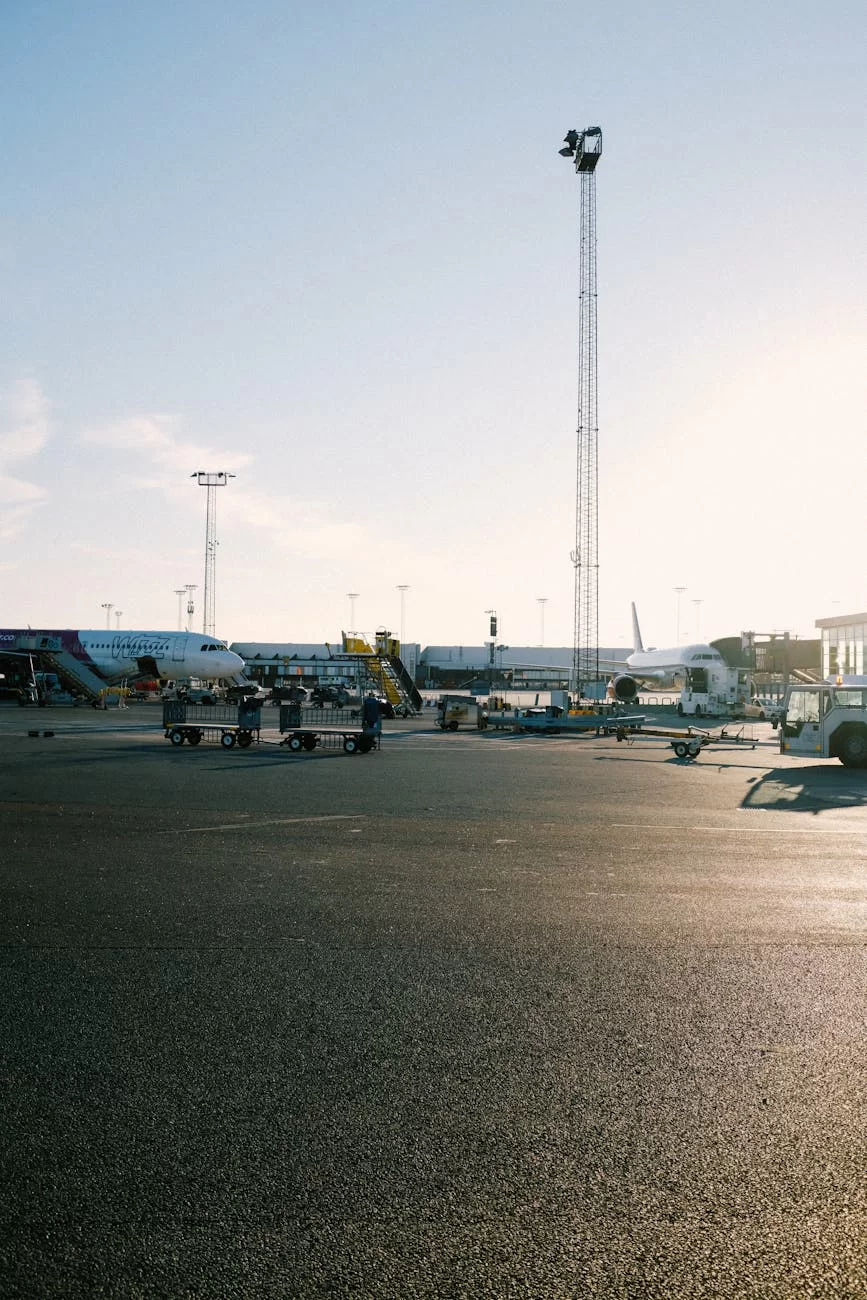
A transit trade transaction, simply put, is when the producing country of goods and the consuming country of goods do not directly conduct buying and selling transactions, but rather trade through a third country. For example, a factory in China produces a batch of clothing, but does not export it directly to the United States. Instead, it is first shipped to Singapore, where a trading company in Singapore then sells this batch of clothing to the United States. In this process, Singapore acts as the transit trade.
The reasons for the emergence of transit trade are diverse. Among them, the most common is the existence of trade barriers. There may be high tariffs, quota restrictions, and other trade barriers between certain countries. Through transit trade, by utilizing the more relaxed trade policies of a third country, these obstacles can be cleverly bypassed, and trade costs can be reduced.
Process of transit trade transactions
The process of transit trade is relatively complex. First, the exporter in the producing country and the trading company in the transit country sign a purchase and sale contract, and transport the goods to the transit country. After the goods arrive in the transit country, they may be stored, sorted, and packaged in local bonded warehouses. Then, the trading company in the transit country signs a new purchase and sale contract with the importer in the consuming country and ships the goods to the consuming country.
Take the electronic product transit trade engaged in by Mr. Zhang as an example. After the factory in China produces the electronic products, Mr. Zhang, as a trading company in Singapore, first signs a purchase contract with the Chinese factory and arranges for the goods to be shipped to Singapore. In Singapore, Mr. Zhang inspects the quality of the goods and repacks them to better meet the needs of the US market. Afterwards, Mr. Zhang signs a sales contract with an importer in the United States and ships the goods to the United States.
Risks and countermeasures of transit trade transactions
Although transit trade has many advantages, it also comes with certain risks. Among them, one of the biggest risks is policy risk. The trade policies of the transit country may change at any time. If the policies are tightened, it may lead to problems such as goods being held up and increased costs. In addition, logistics risks cannot be ignored. Goods may be damaged or lost during transportation and storage.
To cope with these risks, traders need to closely monitor the policy dynamics of the transit country and make plans in advance. At the same time, in the logistics link, it is necessary to choose reliable logistics partners and purchase sufficient insurance to reduce losses. For example, when Ms. Li engages in transit trade, she regularly monitors policy changes in the transit country and maintains cooperation with multiple logistics companies to select the most suitable logistics solutions based on the characteristics of different goods.
Future development of transit trade transactions
With the advancement of global economic integration, trade barriers are expected to gradually decrease, but transit trade will not disappear because of this. On the one hand, some emerging market countries may introduce more attractive trade policies, becoming new hot spots for transit trade. On the other hand, the flexibility and resource integration capabilities of transit trade will continue to hold an important position in the global supply chain.
Whether you are a trade novice or an experienced practitioner, you should deeply understand transit trade transactions, seize opportunities, and avoid risks. Perhaps this mysterious labyrinth of transit trade will open a new door for your trade.

Neueste Kommentare (0) 0
Einen Kommentar hinterlassen