Mr. Zhang recently encountered an annoying incident: a batch of electronic products he imported through re-export trade was detained by customs due to the intermediary’s document omissions, resulting in losses of up to millions. When he tried to hold someone accountable, he found that the chain of responsibility was like a tangled mess – the supplier, intermediary, and logistics provider all shifted the blame to each other. This inevitably leads to reflection: In re-export trade, how should responsibility be allocated?

The "Blind Spots of Responsibility" in Re-export Trade
Unlike traditional direct trade, re-export trade involves at least three parties: the original supplier, the intermediary, and the final buyer. This "triangular relationship" creates three typical risk points:
- Document compliance risk: If there are inconsistencies in the certificate of origin and transit port documents, the entire batch of goods may be rejected.
- Title transfer risk: When goods are transited in a third country, disputes over the "title vacuum period" often occur.
- Quality traceability risk: When product quality problems are discovered, it is difficult to identify the responsible party.
Ms. Li’s case is a typical example: she purchased chemical raw materials through a Southeast Asian intermediary, and only after arrival did she discover that they did not meet environmental standards, but the intermediary had already deregistered the offshore company and fled.
Three Principles for Allocating Responsibility
To break the deadlock of responsibility, it is recommended to follow these principles:
- Principle of Contract Penetration: Require intermediaries to provide copies of original contracts with upstream parties to ensure traceable responsibility.
- Principle of Segmented Guarantee: Purchase liability insurance separately for key segments such as logistics and quality inspection.
- Principle of Evidence Solidification: Independent inspection reports from transit ports should be mandatory.
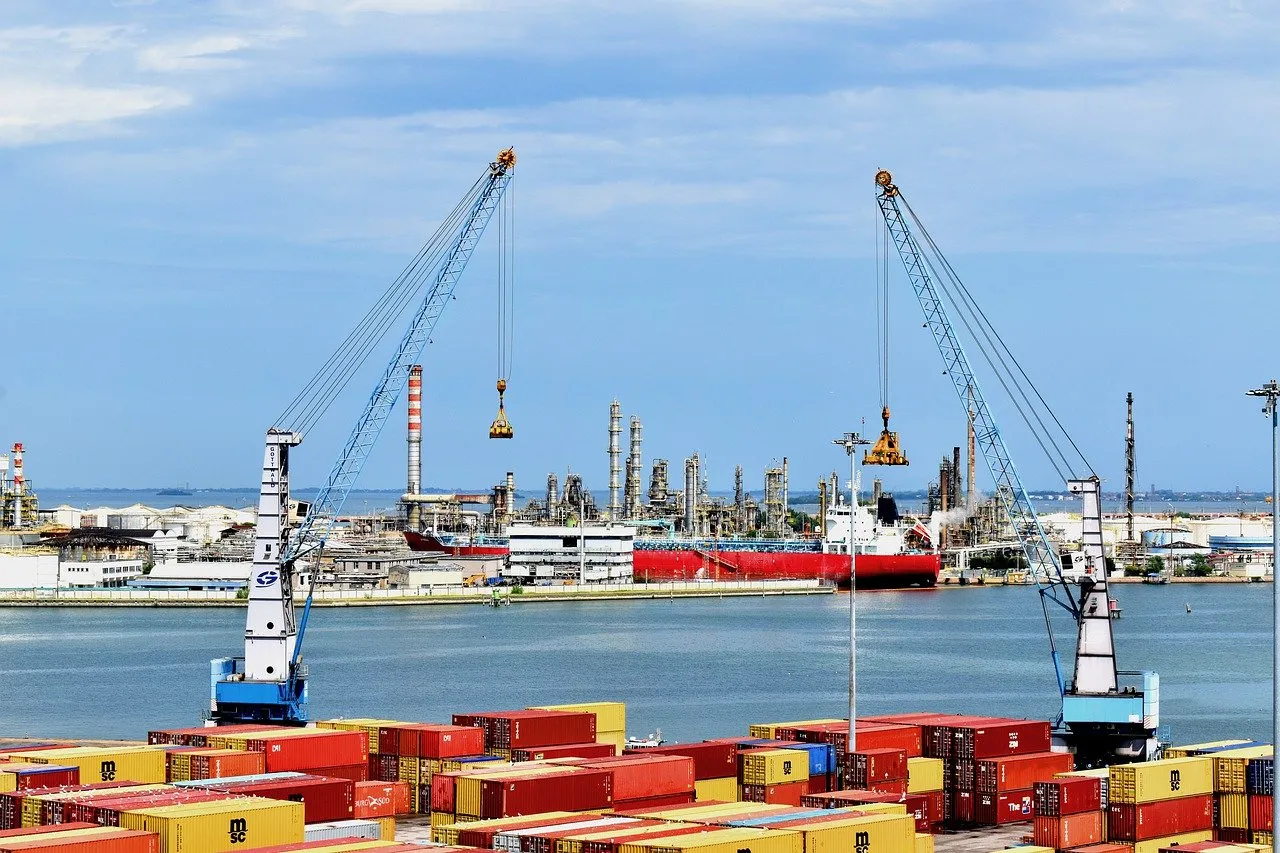
Zhongmaoda trade compliance experts specifically remind: "The ’trigger point of responsibility’ must be clearly defined in the re-export trade contract", for example, using the bill of lading transfer or quality inspection report as the node for responsibility allocation.
Building a Responsibility Firewall with Technological Means
Digital tools are changing the way responsibility is determined:
- Blockchain traceability systems can record data throughout the entire life cycle of goods.
- Smart contracts can automatically execute responsibility clauses, such as goods being deemed accepted if not inspected within 72 hours of arrival.
- AI compliance checkers can real-time comparison of requirements for trade documents from multiple countries.
A food importer successfully proved that the main cause of spoilage was temperature control exceeding limits during transportation by using IoT sensors, avoiding losses of $200,000.
Is Your Defense Line Against Responsibility Strong?
Re-export trade is like a precise surgery, and each participant is a surgeon. When accidents occur, responsibility cannot be allocated solely based on moral constraints. It is recommended that readers take three immediate actions: check the responsibility clauses in existing contracts, require intermediaries to provide proof of creditworthiness, and purchase liability insurance for key segments. Have you encountered responsibility disputes in re-export trade? Welcome to share your coping strategies.

Neueste Kommentare (0) 0
Einen Kommentar hinterlassen