Have you ever wondered how Changzhou, this renowned industrial city, secures its place in the global market through transit trade? Today, we will take you on a journey to unveil the mystery of Changzhou’s transit trade. From cargo entry to final export, every step is imbued with exquisite business intelligence. Let’s delve into this vibrant world of trade and understand how Changzhou enterprises achieve global deployment through transit trade.
What is Transit Trade?
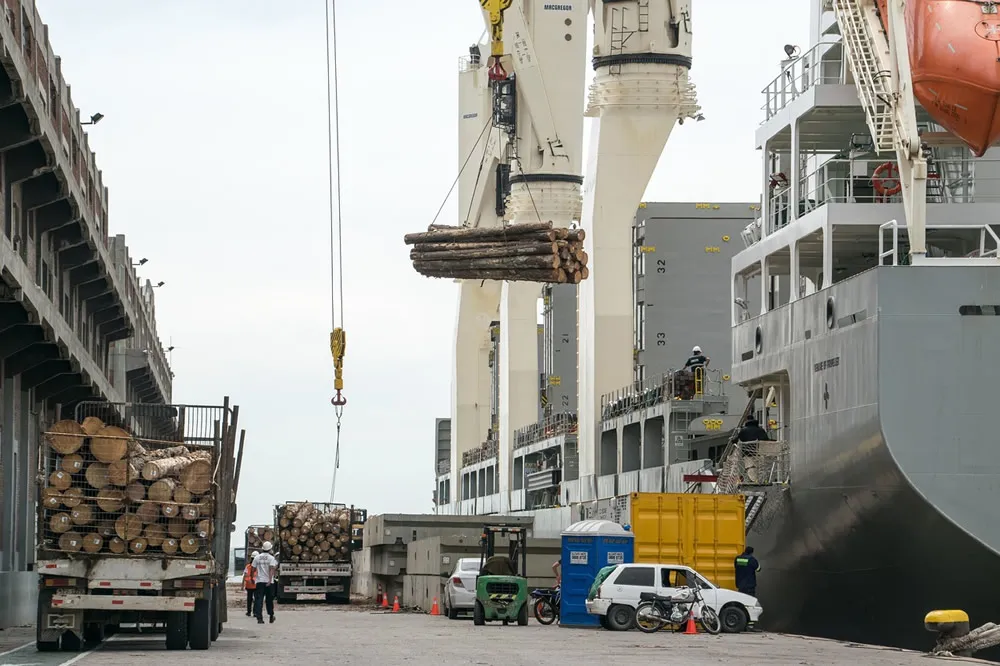
Transit trade, simply put, is a form of trade where goods are transported from the country of production to a third country, and then resold to the final consuming country. Changzhou, with its superior geographical location and complete logistics system, has become an important transit trade hub in East China. This mode of trade not only reduces enterprise costs but also enhances supply chain flexibility, making Changzhou enterprises more competitive in the international market.
The Complete Process of Changzhou Transit Trade
Let’s understand the entire process of Changzhou transit trade through a typical case:
- Step 1: Cargo Entry - Mr. Zhang imports a batch of electronic components from Southeast Asia, and the goods enter through the Port of Changzhou.
- Step 2: Bonded Warehousing - The goods enter the Changzhou Comprehensive Bonded Zone, enjoying the policy of deferred customs duties.
- Step 3: Simple Processing - Ms. Li’s factory performs simple assembly and packaging of the components.
- Step 4: Transit Export - The processed products are re-exported to the European market.
Advantages of Changzhou Transit Trade
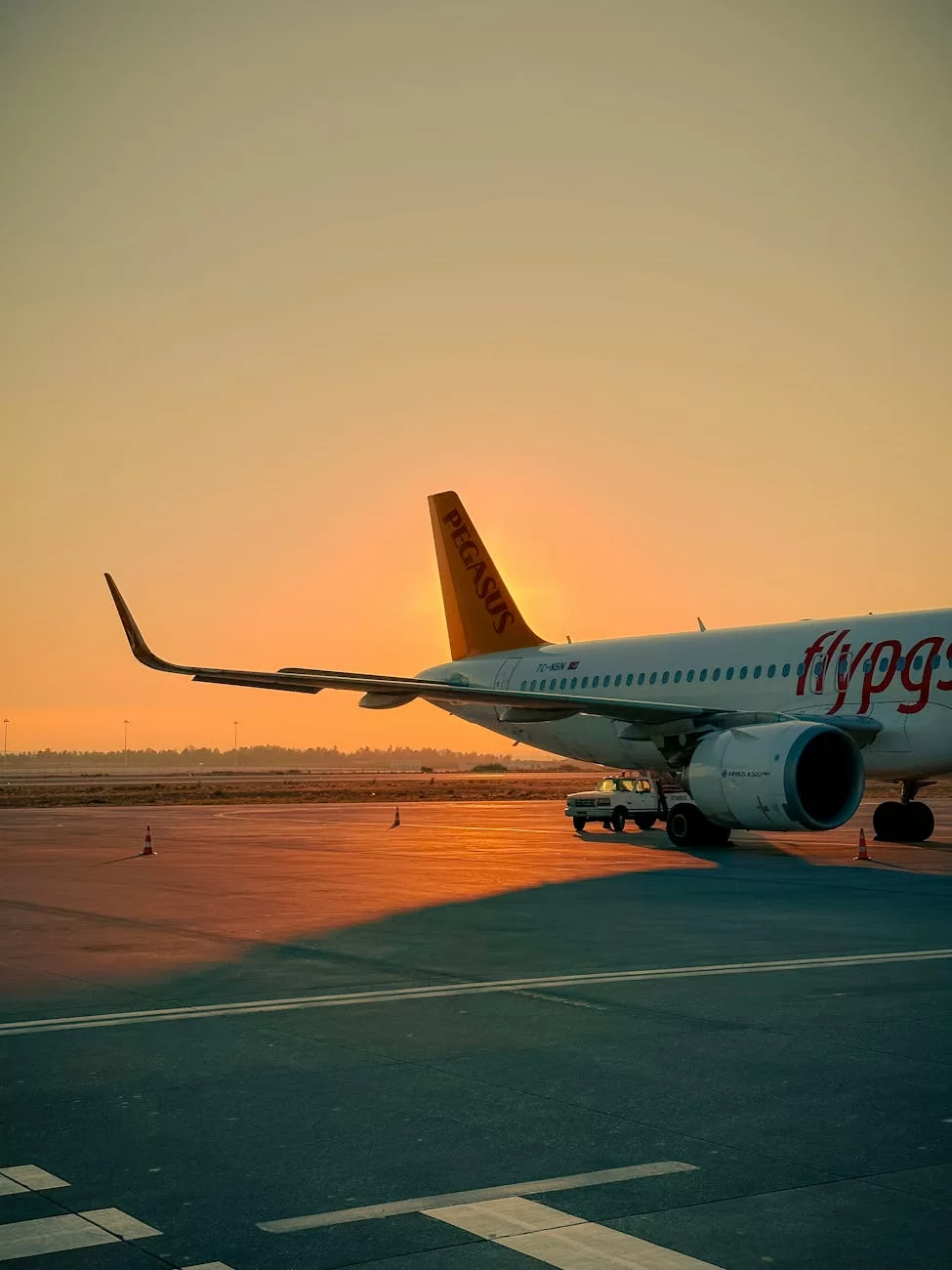
Changzhou has multiple advantages in developing transit trade:
- Superior geographical location, situated in the core area of the Yangtze River Delta.
- A complete logistics network of ports, airports, and railways.
- The Changzhou Comprehensive Bonded Zone provides one-stop customs clearance services.
- The local government offers various trade facilitation measures.
, attracting a large number of enterprises to set up their operational centers here.
Key Aspects in Transit Trade
When conducting transit trade in Changzhou, there are several key aspects that require special attention:
- Customs clearance: Familiarity with customs supervision requirements and procedures is necessary.
- Tax planning: Rational utilization of bonded policies to reduce tax burdens.
- Logistics management: Selection of the optimal transportation methods and routes.
- Document handling: Ensuring all trade documents are complete and accurate.
Professional service agencies like Zhongmaoda can assist enterprises in efficiently handling these aspects, ensuring smooth trade processes.
Future Development Trends
With the restructuring of global supply chains and the development of the digital economy, Changzhou transit trade is facing new opportunities and challenges:
- Digital transformation: Technologies like blockchain will enhance trade transparency.
- Green trade: Low-carbon and environmentally friendly requirements will influence trade processes.
- Regional cooperation: Agreements like RCEP bring more trade opportunities.
to maintain their competitive edge in transit trade.
Take Action and Seize Transit Trade Opportunities
After reviewing the complete process flow of Changzhou transit trade, have you gained a new understanding of this city’s international trade vitality? Whether you are an entrepreneur or an industry observer, understanding the operational mechanisms of transit trade is crucial. If you have any questions or insights regarding Changzhou transit trade, feel free to leave a comment below. Perhaps the next successful international trade story will be written by you!

Neueste Kommentare (0) 0
Einen Kommentar hinterlassen