In the grand chessboard of global trade, reexport trade has always occupied a unique and important position. Malaysia, with its unique advantages, is becoming a dazzling star in the field of reexport trade. Today, let us delve into the wonderful journey of reexport trade in Malaysia.
Geographical Advantage of Malaysia
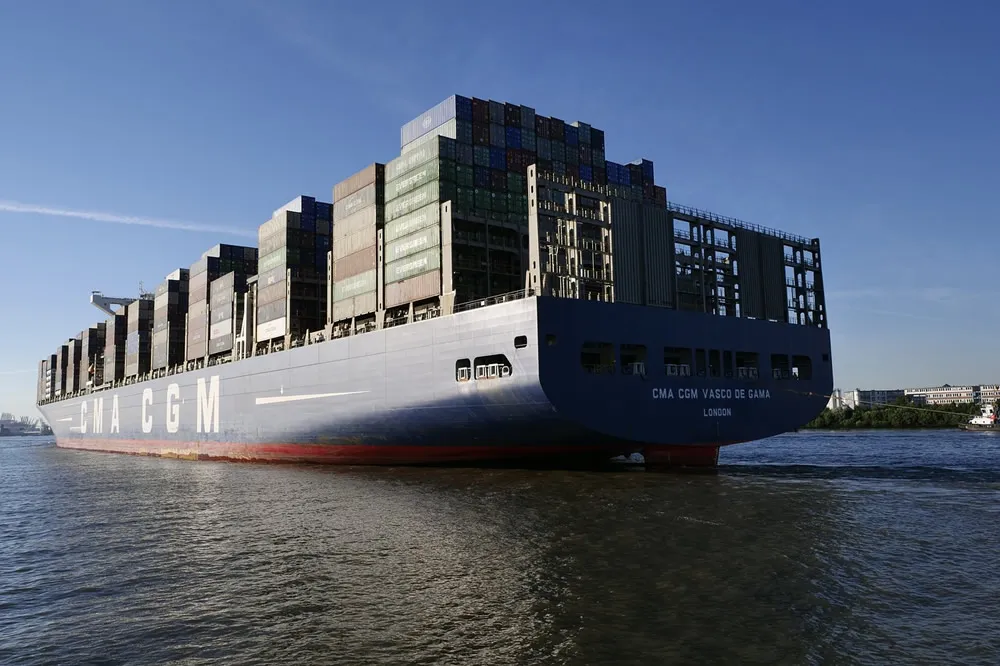
Malaysia is located in the core region of Southeast Asia, controlling the Strait of Malacca, one of the busiest shipping lanes in the world. The Strait of Malacca connects the Indian Ocean and the Pacific Ocean, and is a necessary route for many merchant ships traveling between East Asia, Europe, Africa, and other regions. This unique geographical location makes Malaysia like a key hub in the trade network.
Imagine a cargo ship from the Middle East loaded with oil. When passing through the Strait of Malacca, if it can carry out reexport trade operations in Malaysia, it can conveniently distribute oil products to East Asian countries. This not only saves transportation time and costs, but also improves trade efficiency. Many multinational corporations recognize this point and have set up reexport trade related businesses in Malaysia.
Perfect Infrastructure Supports Reexport Trade
Malaysia boasts a series of modern and efficient port facilities, such as Port Klang, which is one of the busiest ports in Southeast Asia. It has advanced loading and unloading equipment, warehousing facilities, and a professional logistics management team. These ports handle a large volume of goods annually and can meet the loading, unloading, and storage needs of various types of goods.
At the same time, Malaysia’s transportation network is also very developed, with roads and railways crisscrossing and closely connected to ports. Whether it is transported from the port to various parts of the country or transshipped to neighboring countries, efficient transportation can be achieved. Taking electronic products as an example, after imported electronic components arrive at Malaysian ports, they can be quickly transported to domestic processing factories through the convenient transportation network. After processing, they can be reexported to other countries through the ports, and the entire process is smooth and unimpeded.
Policy Support and Trade Environment
The Malaysian government is well aware of the importance of reexport trade for economic development, and therefore has introduced a series of preferential policies to attract enterprises to carry out reexport trade business. For example, in specific free trade zones, enterprises can enjoy tax reductions, simplified customs clearance procedures, and many other conveniences.
Ms. Li, who has been engaged in reexport trade in Malaysia for many years, mentioned that Malaysia’s trade policies are very stable, and the efficiency of departments such as customs is relatively high. When enterprises carry out operations such as goods import and export declaration, the procedures are relatively simple, which greatly improves the flexibility and timeliness of trade. This good trade environment provides a solid foundation for the development of reexport trade enterprises.
Risks and Challenges Need Attention
Of course, conducting reexport trade in Malaysia is not always smooth sailing. Global economic fluctuations will affect trade demand. Once major trading countries experience economic recession, the volume of reexport trade may decline. At the same time, neighboring countries are also actively developing reexport trade business, and competition is becoming increasingly fierce.
Mr. Zhang’s company faces such challenges, as neighboring countries continuously improve their port facilities and preferential policies to attract trading enterprises. Therefore, enterprises need to continuously improve their competitiveness, such as optimizing supply chain management and improving service quality, in order to stand out in the fierce competition.
Future Outlook
Overall, Malaysia has huge potential and opportunities in the field of reexport trade. With the advancement of the "Belt and Road" initiative, trade cooperation between Malaysia and China and countries along the route will be further strengthened, which will undoubtedly bring new growth points for reexport trade.
It is believed that in the future, by continuously improving its own conditions and actively responding to challenges, Malaysia’s reexport trade will usher in a more brilliant tomorrow. If you are interested in reexport trade, you might as well conduct in-depth research on Malaysia, this land full of business opportunities, which may open a new chapter for your business map.

Neueste Kommentare (0) 0
Einen Kommentar hinterlassen