In the Guangming region, many enterprises engaged in import and export trade pay close attention to export tax rebates for imported and exported goods. Simply put, export tax rebates for imported and exported goods refer to the refund of value-added tax and consumption tax actually paid in the domestic production and circulation links for exported goods. This policy aims to encourage fair competition for exported goods from all countries. For foreign trade enterprises in the Guangming region, successfully handling export tax rebates for imported and exported goods can not only reduce costs but also enhance the competitiveness of their products in the international market.
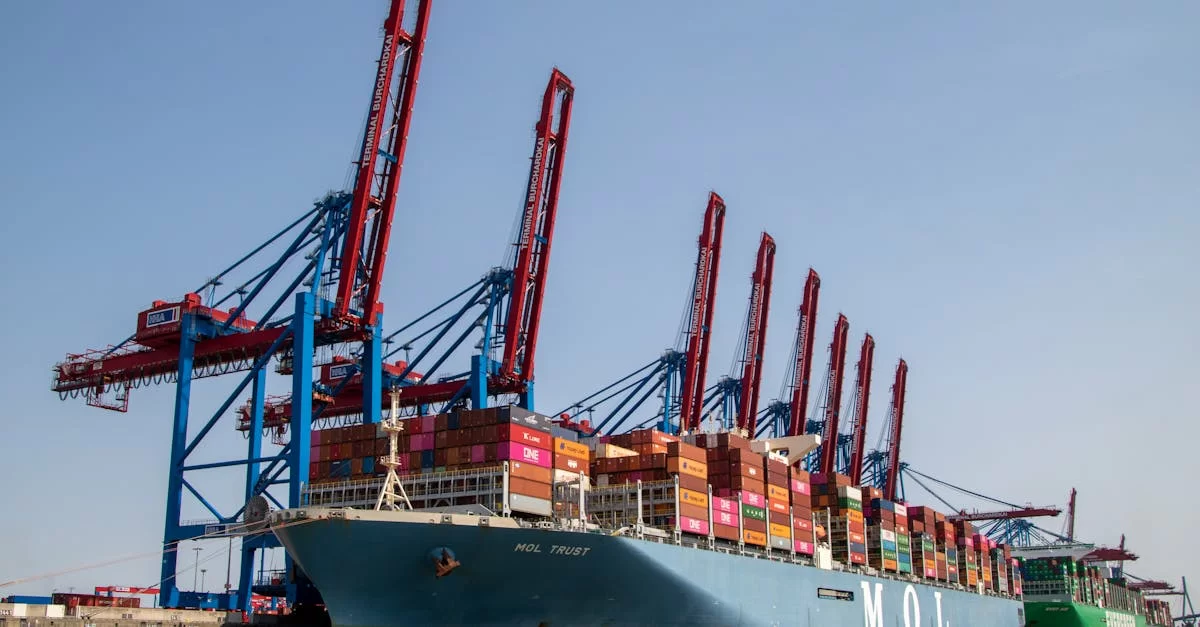
Conditions for Enterprises Handling Export Tax Rebates for Imported and Exported Goods
First, the enterprise must be within the scope of value-added tax and consumption tax collection. The scope of value-added tax and consumption tax collection includes all goods subject to value-added tax, except for tax-exempt agricultural products directly purchased from agricultural producers, as well as 11 categories of consumer goods subject to consumption tax, such as tobacco, alcohol, and cosmetics.
Second, the enterprise must be goods that have been declared for export and left the customs territory. Export means exporting, which includes both self-operated export and entrusted agency export. Distinguishing whether goods have been declared for export and left the customs territory is one of the main criteria for determining whether goods fall within the scope of tax rebate. For goods sold domestically and not declared for export, unless otherwise stipulated, regardless of whether the export enterprise settles in foreign currency or RMB, or how the export enterprise accounts for it financially, they shall not be considered export goods for tax rebate.
Third, the enterprise must be goods that have been accounted for as export sales in its financial statements. Export goods can only be handled for tax rebate after being accounted for as export sales in its financial statements. That is to say, the provisions on export tax rebates only apply to trading export goods, while non-trading export goods, such as donated gifts, goods purchased by individuals domestically and carried out of the country by themselves (unless otherwise stipulated), samples, exhibits, mailed items, etc., are generally not accounted for as sales in financial statements, and therefore cannot be rebated according to current regulations.
Finally, the enterprise must be goods for which foreign exchange has been received and verified. According to current regulations, export goods for which export enterprises apply for tax rebates must be goods for which foreign exchange has been received and verified by the foreign exchange administration department.
Process for Handling Export Tax Rebates for Imported and Exported Goods in Guangming
1. Qualification Recognition. Enterprises need to go to the local tax authorities in Guangming to handle the export goods tax rebate (exemption) recognition procedures. Relevant documents, such as the Foreign Trade Operator Registration Record Form or the Approval Certificate of Foreign-invested Enterprise of the People’s Republic of China, the corporate business license (copy), and the tax registration certificate (copy), should be presented. Mr. Zhang’s enterprise passed the recognition at one go by preparing all the materials in advance when handling this step.
2. Preparation of Declaration Materials. Enterprises should collect relevant certificates and declare for export goods value-added tax and consumption tax exemption/rebate within each VAT taxpayer declaration period from the month following the date of customs declaration of exported goods until April 30 of the following year. The required materials include the customs declaration form for exported goods, export invoices, and for entrusted export goods, the proof of agency export goods issued by the tax authority of the entrusted party, and a copy of the agency export agreement, etc.

3. Declaration. Enterprises can use online declaration systems such as the electronic tax bureau to input the prepared declaration materials into the system and submit the tax rebate application. The financial personnel of Ms. Li’s enterprise skillfully operated the online declaration system and quickly completed the declaration.
4. Review and Approval. After receiving the enterprise’s tax rebate application, the tax authorities will review the declaration materials. Upon approval, it will be processed in accordance with the regulations.
5. Tax Rebate. Upon approval, the tax authorities will refund the tax rebate amount to the enterprise. Enterprises can choose a suitable collection method according to their own situation.
Matters Needing Attention During the Handling Process
When handling export tax rebates for imported and exported goods in Guangming, enterprises should pay attention to the declaration deadline to avoid late declarations, which may result in the inability to obtain tax rebates. At the same time, the materials must be complete and authentic, otherwise, they may face tax risks. In addition, policies may be adjusted based on factors such as the national economic situation, and enterprises should keep abreast of policy changes in a timely manner to better enjoy the benefits brought by the export tax rebate policy for imported and exported goods.
In summary, enterprises in the Guangming region that wish to smoothly handle export tax rebates for imported and exported goods need to have a detailed understanding of the relevant policies and handling procedures and be fully prepared. This will enable them to rationally utilize the tax rebate policy in import and export trade and enhance their competitiveness.

Commentaires récents (0) 0
Laisser un commentaire