In the current wave of globalization, import-export business is like a bridge, connecting markets and resources around the world. It is not only an important way for companies to expand their international presence but also a powerful engine for economic prosperity. Today, let’s delve into the mysteries of import-export business.
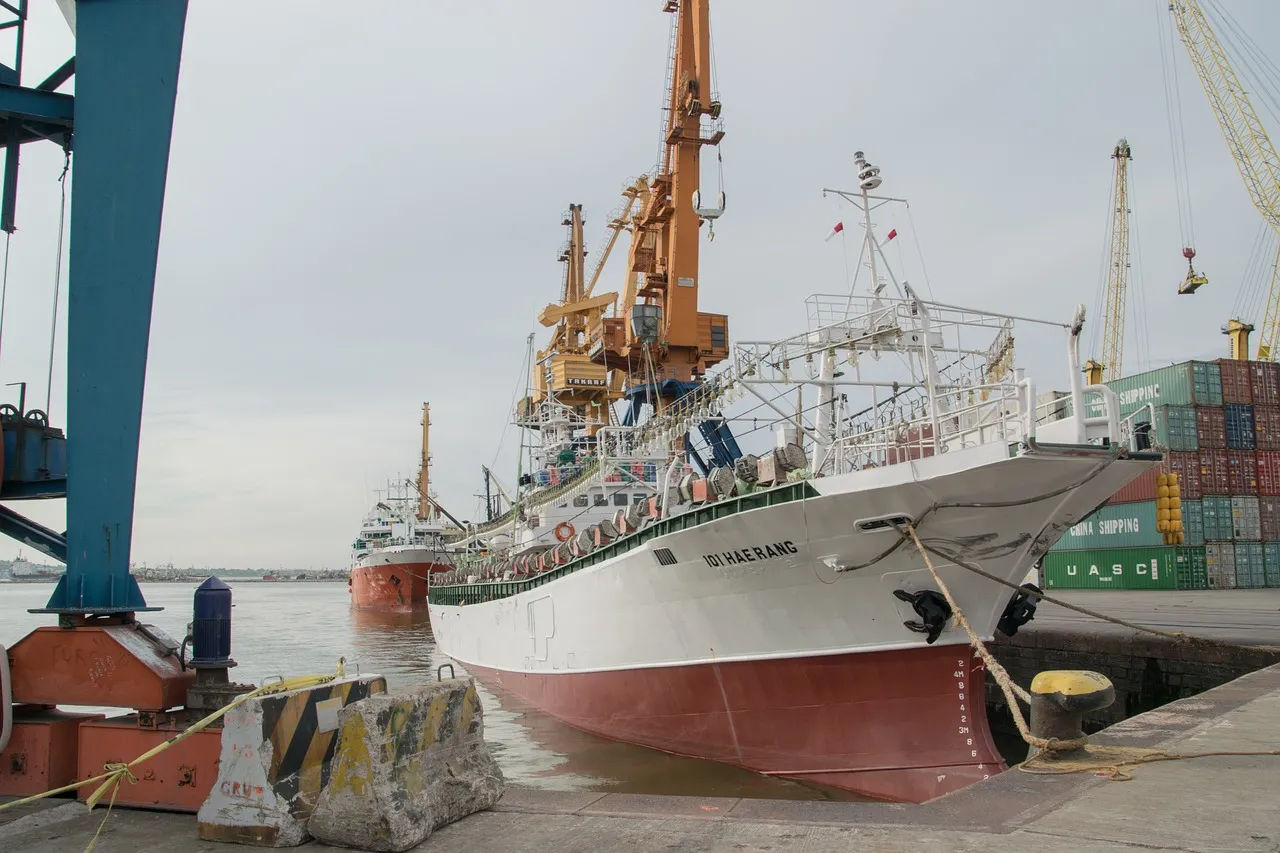
Basic Processes of Import-Export Business
Import-export business involves many steps, from preliminary market research and finding customers to signing contracts, preparing goods, customs declaration, transportation, and finally settlement, each step is interconnected. For example, in the contract signing stage, key terms such as the quality, quantity, price, and delivery date of the goods need to be clearly defined. Like Ms. Li’s company, before signing an import clothing contract with foreign customers, they meticulously negotiated the fabric, style, and size range of the clothing to ensure the goods meet expectations.
Customs declaration is a crucial checkpoint in import-export business. Companies need to prepare various documents, such as commercial invoices, packing lists, and bills of lading, and truthfully declare the goods to customs. If the declaration is inaccurate, not only may fines be imposed, but the customs clearance speed of the goods will also be affected.
Risk Management Cannot Be Ignored
Import-export business faces various risks. Exchange rate risk is at the forefront; the fluctuations of exchange rates are like a roller coaster, which can significantly reduce the company’s profits. Suppose Mr. Zhang’s company imports a batch of equipment from the United States, and the contract is denominated in US dollars. If the RMB depreciates against the US dollar when payment is made, the company will have to pay more RMB, and the cost will suddenly increase.
Credit risk should not be underestimated either. For customers with whom the company is cooperating for the first time, it is difficult to fully understand their creditworthiness. Once the other party defaults, such as delaying payment or refusing to pick up the goods, the company will suffer huge losses. Therefore, conducting customer credit investigations before cooperation is crucial. Relevant information can be obtained through professional credit rating agencies or banks.

Policy and Compliance: The Sharpest Tool for Protection
The trade policies and regulations of various countries are constantly changing, and companies must keep pace. For example, some countries impose tariff barriers or import quotas on certain products, which requires companies to understand the relevant policies in advance and adjust their business strategies. Zhongmaoda, as a leader in the industry, always pays close attention to policy dynamics and provides professional solutions to customers in a timely manner.
Compliance is the cornerstone of long-term business development. Companies must strictly abide by the trade regulations of various countries, ensuring that the source, quality, and packaging of goods meet the requirements, and avoiding legal disputes due to violations.
Conclusion: Seize Opportunities, Embrace Challenges
Import-export business is full of opportunities and challenges. It opens up a vast international market for companies and brings infinite development possibilities. However, to proceed steadily in this field, companies need to have a deep understanding of business processes, effectively manage risks, and strictly adhere to policies and regulations. We hope that readers can actively explore and write their own brilliant chapters on the stage of import-export business, and we also welcome everyone to share their experiences and insights in the comment section.

Commentaires récents (0) 0
Laisser un commentaire