In the world of red wine, fine wines from different countries exude a unique charm, attracting countless consumers. For businesses engaged in red wine agency, the customs declaration link is a crucial step in opening up trade channels and allowing red wine to enter the market smoothly. Today, let us delve into the matters of customs declaration for agent red wine.
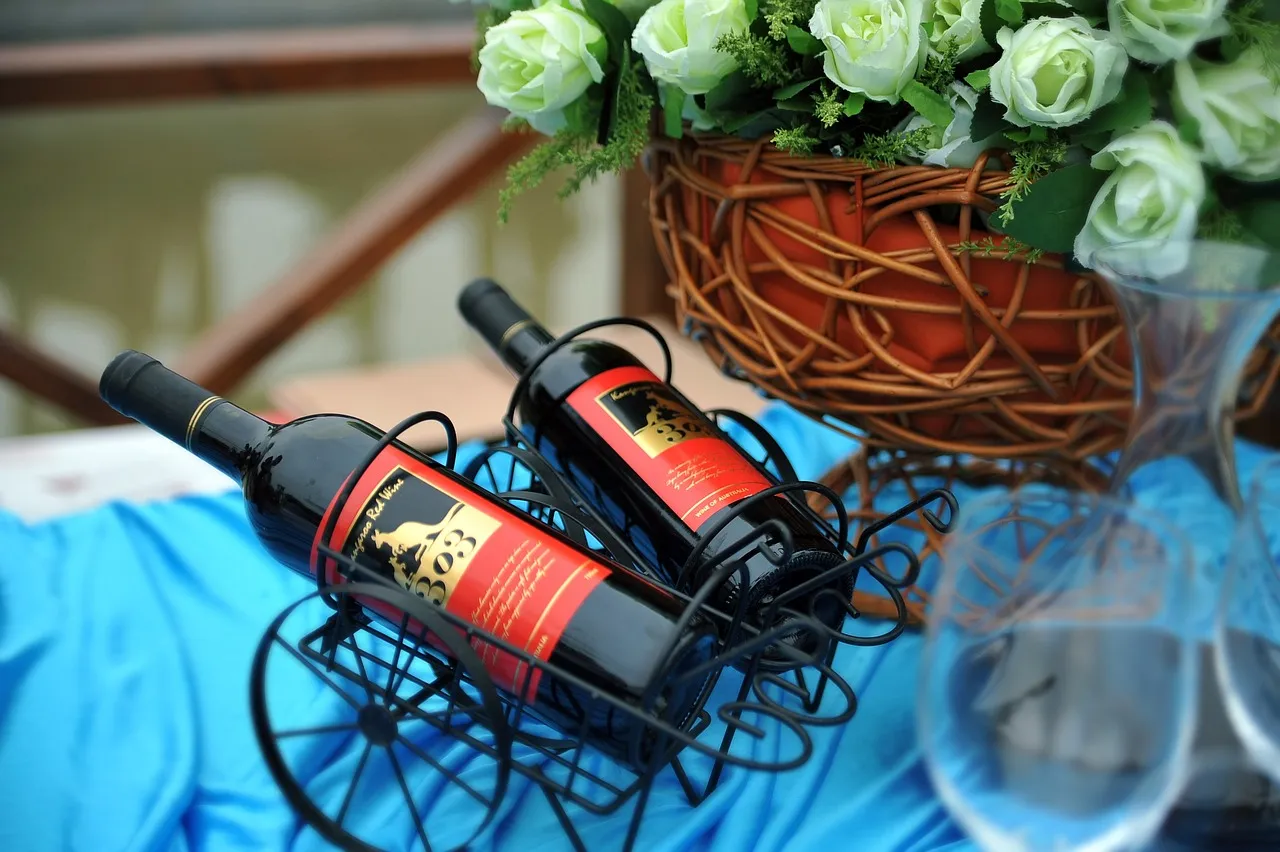
Preparation before Red Wine Customs Declaration
First, qualification preparation is crucial. The agent enterprise must have import and export operating rights, which is the basic condition for carrying out red wine trade. At the same time, it needs to be registered with the customs to obtain customs declaration qualifications. Just like Mr. Zhang, who was initially unclear about these qualification requirements and took many detours, and only after the guidance of professionals did he successfully complete the qualification application. In addition, document preparation should not be ignored. Red wine import customs declaration requires a series of documents, such as commercial invoices, packing lists, bills of lading, etc. These documents are important proof of the identity and value of the goods. In addition, an certificate of origin is also required, which not only proves the origin of the red wine but also relates to preferential tariff policies.
Full Analysis of Customs Declaration Process
After the goods arrive at the port, the declaration officially begins. The agent enterprise needs to submit the customs declaration form and relevant documents to the customs within the prescribed time. The customs declaration form must be filled in accurately, and each item of information is crucial for the smooth customs clearance of the goods. For example, the name, brand, vintage, alcohol content, etc. of red wine must be declared truthfully. After receiving the declaration, the customs will carry out review. Customs officers will carefully review the authenticity, completeness, and accuracy of the documents. If problems are found, they may request supplementary or revised information. Next is the inspection stage. The customs may conduct an on-site inspection of the goods to check whether the actual situation of the goods matches the declared content. The inspection content includes the packaging and labels of the red wine. If the label does not meet the relevant domestic standards, it may need to be rectified before it can be released. Finally, after paying relevant taxes such as customs duties, value-added tax, and consumption tax, the goods can be released and picked up.
Common Problems and Solutions in the Customs Declaration Process
In the process of red wine customs declaration, label problems are relatively common. Domestic regulations on imported red wine labels are strict, such as requiring the labeling of wine name, ingredient list, country of origin, alcohol content, net content, etc. Ms. Li once encountered a situation where the label was not standardized, which led to the detention of goods. The solution is to understand the domestic label standards in advance and complete the label rectification or affix Chinese labels that meet the requirements before the goods arrive at the port. Changes in tariff policies are also factors affecting customs declaration. For red wine from different countries and regions, tariff policies may be adjusted due to trade agreements and other reasons. Enterprises should closely follow policy dynamics and adjust customs declaration strategies in a timely manner.
The Importance of Choosing a Professional Customs Declaration Agent
Red wine customs declaration involves numerous regulations, policies, and complex processes. Choosing a professional customs declaration agent like Zhong Maoda can achieve twice the result with half the effort. Professional agencies are familiar with customs declaration processes and policies and regulations, and can provide enterprises with accurate customs declaration guidance, reducing risks and losses caused by unfamiliarity with regulations. They also have efficient communication and coordination capabilities, can maintain good communication with customs and other relevant departments, and ensure the rapid customs clearance of goods.
Although the customs declaration for agent red wine involves complex procedures, as long as sufficient preparation is made, the process is understood, common problems are dealt with, and professional strength is leveraged, bottles of mellow red wine can be smoothly delivered to consumers. If you still have questions about red wine customs declaration, you are welcome to leave comments and discuss, and perhaps you can find new ideas to solve problems.

最近のコメント (0) 0
コメントを残す