Mr. Shen recently received an overseas order requiring shipment within three days. In his haste, he contacted a foreign trade agency that promised "one-stop service, zero-risk customs clearance." However, as soon as the goods left port, the agency disappeared. Mr. Shen not only lost the payment for the goods but also faces claims from the client... Such cases are not uncommon in the foreign trade circle. While foreign trade agents may seem like a "lifeline" for SMEs, the hidden risks are often underestimated.
I. Three Core Risks of Foreign Trade Agents

1. Fund Security Risks
It is common for agencies to require companies to prepay the full amount of goods or a security deposit. Mr. Shen once encountered a situation where an agency misappropriated funds for investment failures, leading to the inability to deliver goods. Ultimately, the company bore joint liability.
- Lack of oversight in fund pool operations
- Commingling of agency fees and goods payments in settlement
- Difficulty in tracing funds from offshore accounts
2. Legal Compliance Risks
Some agents, in pursuit of profit, may advise companies to use "grey customs clearance" or misrepresent product names. If discovered by customs, the company will face hefty fines or even criminal liability, while the agency often evades responsibility through contract clauses exempting them from liability.
II. How to Identify High-Risk Agents?
Quickly assess by the following characteristics:
- Refusal to provide complete documentation of past successful cases
- Contract terms deliberately obscuring responsibility division
- Insistence on using their designated and unqualified logistics companies
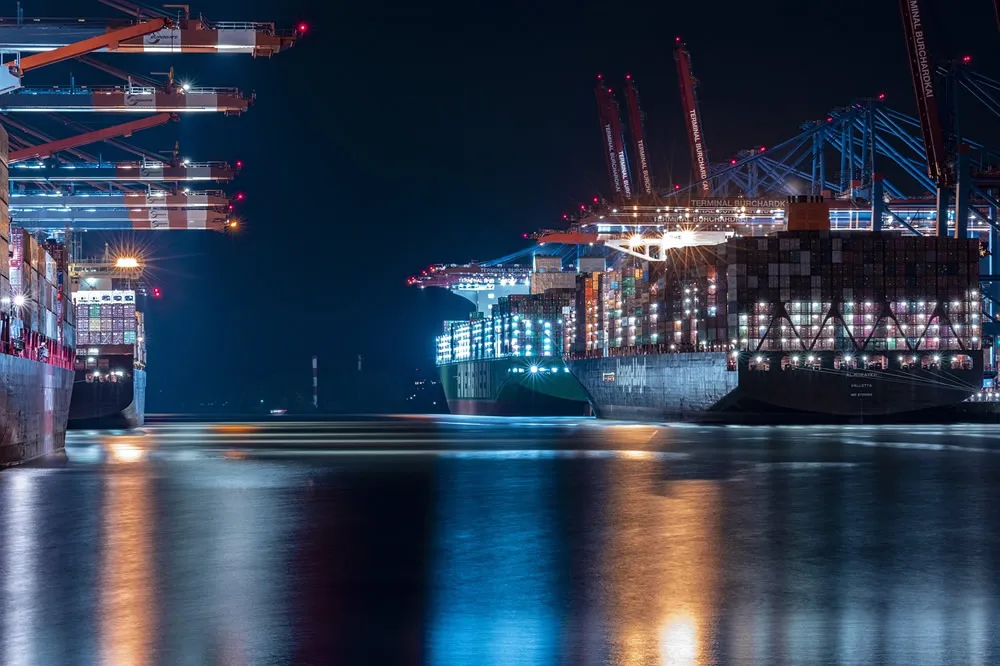
Zhongmaoda foreign trade experts advise: verify the agent company's AEO certification from customs, bank credit lines, and export credit insurance records – these three hard indicators.
III. Four Key Actions for Risk Prevention and Control
1. Phased payment of funds: Make payments in stages according to order progress, retaining at least 20% for the final installment.
2. Dual contract filing: Simultaneously sign a foreign trade agency agreement and a confirmation of goods ownership certificate.
3. Logistics tracking monitoring: Require the agent to provide real-time query access to their logistics system.
4. Regular compliance audits: Conduct quarterly checks of the agent's customs clearance documents and tax records.
Conclusion: Agents Are Not "Scapegoats"
Foreign trade agency is essentially a product of specialized division of labor, but companies must always remember: the entity ultimately bearing legal responsibility is the company itself. When considering using agency services, ask yourself three questions: Do my risk control measures cover the worst-case scenario? Can the agent's qualifications withstand a surprise customs inspection? What is my exit strategy if a dispute arises?
You are welcome to share your encountered agent traps in the comment section. The top three highest-liked comments will receive an electronic version of Zhongmaoda's foreign trade risk audit checklist.

Recent Comments (0) 0
Leave a Reply