What We Offer
Efficient Re-Export and Transit via China
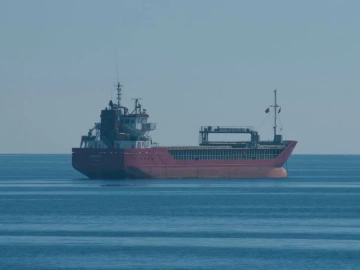
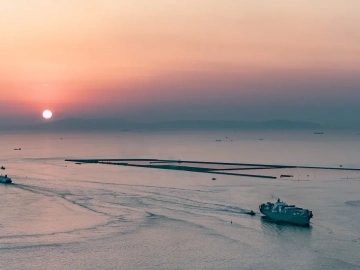
We handle re-export and transshipment trade through major Chinese ports, offering flexible, compliant, and efficient solutions for global trade routing.
Port Advantage
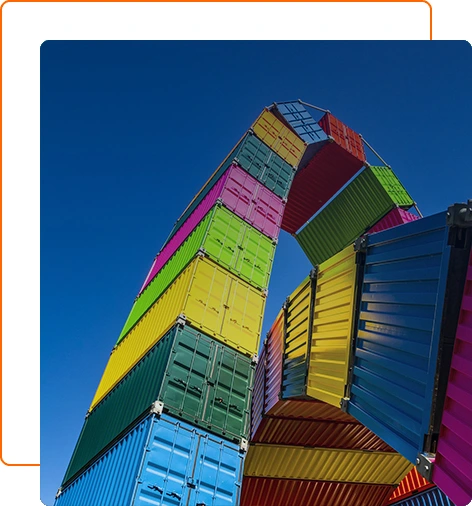
We leverage China’s free trade zones and bonded warehouses to optimize logistics flow and cost.
Flexible Routing
We customize trade routes and documentation to meet your destination country’s import policies.
Why Choose Us
Smart China Re-Export Trade Solutions
Transit Goods Sourcing
We identify and source transit goods, ensuring the goods comply with re-export regulations and standards.
Re-export Documentation
We handle all necessary export documentation, ensuring compliance with international trade agreements.
Shipment and Logistics
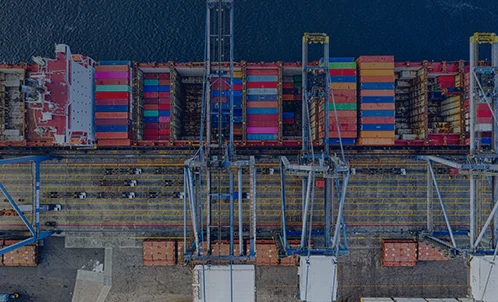
We arrange the re-export logistics, ensuring timely shipping and safe transit to the destination country.
Delivery to Final Destination
We ensure that goods are delivered smoothly and on time to the final destination, meeting all re-export requirements.
Trade Q&A
Re-export Agency FAQs
Understand the complexities of re-export trade. We support businesses with managing goods in transit, customs procedures, and cross-border compliance for smooth operations.
Fast Solutions
Receive clear, practical answers to keep your business moving without delays.
Expert Guidance
Connect with professional agents who understand every step of global trade.
Planning to engage in steel door transshipment trade, seeking to understand its risks and mitigation methods. The best answer points out risks in policy, logistics, and market for steel door transshipment trade, such as tariff adjustments, cargo damage, and market demand fluctuations. Mitigation involves paying attention to policies, selecting good logistics, and conducting thorough research, while also being mindful of risks related to documentation, exchange rates, and other aspects.
When learning about international trade knowledge, there is confusion between the concepts of transshipment trade and transit trade. The question is whether transshipment trade is transit trade. The best answer explains that transshipment trade is a trade where goods are resold through a third country, and merchants in the third country participate in the buying and selling; transit trade is the trade of goods from one country passing through the territory of another country to a third country, where the transit country only provides the transportation channel. There is an essential difference between the two.
Engaging in transit trade business, asking whether transit trade requires customs declaration, and if so, the specific process and differences from regular trade customs declaration. The best answer states that transit trade requires customs declaration, involving preparing commercial invoices and other documents before goods arrive at the transit port, followed by declaration by a freight forwarder or customs broker after arrival, providing accurate information. The distinction from regular trade is that goods are not substantially processed, and document handling may require additional contracts or other materials.
Researching international trade and want to understand if Vietnam is a transshipment trade country. It is known that Vietnam's manufacturing industry is developing rapidly and it has many ports. The best answer states that Vietnam can be considered a transshipment trade country due to its advantageous geographical location, excellent ports, government support for trade development, a large number of foreign-invested enterprises engaged in related businesses, and a significant volume of goods processed simply and re-exported annually. However, there is still room for improvement compared to traditional transshipment trade countries.
Testimonials
What Our Customer Say
Zhongmaoda streamlined our re-export trade from China. Their comprehensive services allowed us to expand globally with ease and confidence.

Oliver P., From UK
We trusted Zhongmaoda for our re-export business in China, and they exceeded our expectations. Their efficiency in managing logistics and documentation is unmatched.

Michael L., From USA
Zhongmaoda facilitated our re-export operations smoothly. Their expertise in China’s re-export trade allowed us to access new markets quickly and easily.

Hans R., From Germany
Working with Zhongmaoda on our re-export projects has been seamless. Their team ensures smooth processing, making our supply chain efficient and cost-effective.

Rachel W., From Australia
Thanks to Zhongmaoda, our re-export process from China is now streamlined and efficient. They manage everything from customs to delivery seamlessly.

Daniel F., From Canada
Zhongmaoda simplified our re-export trade from China. With their expertise and reliable service, we were able to quickly scale our business across borders.

Lucille G., From France
Trade Insights
Transshipment Agency Articles