Have you ever wondered if the unforgettable curry dish at a restaurant, or the aromatic cinnamon latte at a cafe, uses spices that might come from the other side of the world? Spice import agencies are precisely the invisible bridge connecting exotic flavors with local dining tables. Today, we will unveil this mysterious industry and show you how to legally and efficiently introduce global high-quality spices into the Chinese market.
Why Has Demand for Spice Import Agencies Surged?
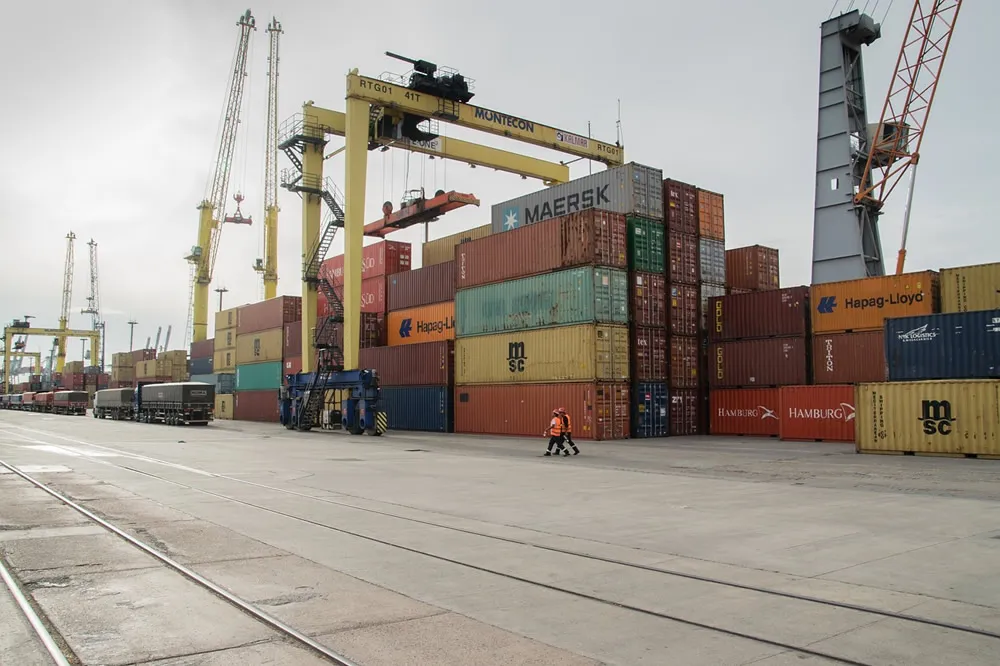
With consumption upgrading and the diversified development of the catering industry, China's spice market size has grown by 217% within five years. Mr. Xie chain restaurant recently encountered a challenge: the quality of spices from traditional procurement channels is unstable, and directly contacting overseas suppliers presents issues such as language barriers and unclear inspection standards. This is precisely where the value of professional import agency services lies – institutions like Zhongmaoda can not only handle logistics and customs clearance but also provide comprehensive services from source quality inspection to compliance filing.
The Three Hurdles Imported Spices Must Clear
- Customs Quarantine Hurdle: Spices such as nutmeg require fumigation certificates, and products from certain countries also need admission list review.
- Label Compliance Hurdle: Chinese labels must include 9 core pieces of information, such as country of origin and storage conditions.
- Tax Planning Hurdle: Applicable tax rates can differ by up to 15% for various categories; professional agents can optimize cost structures.
Case Study: Mr. Xie Spice Business Acumen
Mr. Xie, who operates an e-commerce store, imported a batch of Turkish rose essential oil through an agency last year and was initially almost returned due to a lack of understanding of the new regulations for cosmetic raw material filing. Later, with the help of a professional agent's pre-inspection service, she not only successfully completed customs clearance but also obtained AEO certification from customs. Her average monthly import volume is now stable at around 2 tons. Her experience tells us: instead of risking operating in a grey area, it is better to establish a long-term compliant import channel.
Future Trends: Organic Certification and Blockchain Traceability
The latest EU data shows that the import volume of organically certified spices has grown by 39% annually. Zhongmaoda's recently introduced blockchain traceability system allows every package of spices to display its complete international journey—from the harvest date at a Sri Lankan plantation to the temperature control records at a bonded warehouse in China. This transparent operation is becoming a mandatory procurement standard for high-end catering clients.
Where Should Your Spice Import Plan Begin?
Why not start by asking yourself three questions: Is your target product category in the current access catalog? Do your end customers prioritize price or quality? Do you have a long-term stable procurement need? Leave professional matters to professionals; perhaps now is the time to speak with an import agency expert to add a touch of exotic fragrance to your business landscape. Feel free to share your insights on specialty spices in the comments section, or send a private message to receive the latest customs policy interpretation manual.

Recent Comments (0) 0
Leave a Reply