When Mr. Wang received the electronic components that had been stuck at customs for three months, he realized the international trade chessboard was no longer what it used to be. From soaring shipping prices to supply chain restructuring, from rising technical barriers to the emergence of green trade, import and export trade is undergoing a silent revolution. This revolution has no smoke, but it is enough to instantly eliminate unprepared businesses.
Three New Norms in International Trade
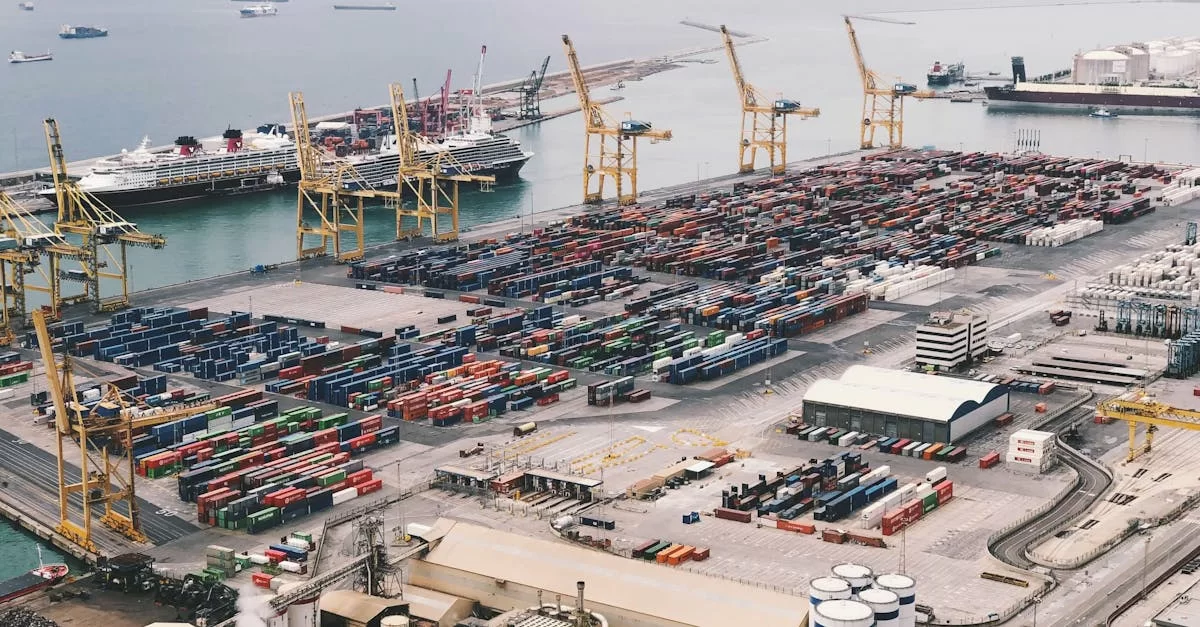
The global trade landscape in 2024 exhibits three prominent characteristics:
- Regionalization Replacing Globalization: Nearshoring is becoming a new trend, with companies preferring to establish supply chains in adjacent regions.
- Digital Customs Clearance as Standard: Companies like Zhongmaoda are reducing clearance times by 80% through blockchain technology.
- ESG Becoming an Invisible Threshold: The EU's Carbon Border Adjustment Mechanism has already affected 27% of Chinese export companies.
Import and Export Practical Pitfall Avoidance Guide
Mr. Wang textile factory lost millions in orders last year due to her misunderstanding of new ASEAN regulations. These lessons are worth the vigilance of every foreign trade professional:
- Always reserve an additional 15% delivery time beyond the contract.
- The difference in risk between FOB and CIF terms can wipe out all profits.
- A single letter error on a certificate of origin can lead to the entire shipment being returned.
In one transaction, due to a misunderstanding of INCOTERMS 2020, Mr. Wang almost bore the war risk that should have been the buyer's responsibility.
The Future of Trade Driven by Technology
Intelligent customs declaration systems are changing the game:
- AI pre-audit can reduce documentation error rates by 92%.
- IoT tracking enhances cross-border logistics transparency by 60%.
- Digital twin technology helps companies simulate the entire trade process in a virtual environment.
But technology is always just a tool; true competitiveness still lies in understanding the essence of trade – the business logic hidden behind HS codes, and the market opportunities beyond tariff barriers.
Where is Your Next Stop?
As traditional foreign trade models hit a ceiling, some see crisis and others find opportunities. Industrial transfer in Southeast Asia, infrastructure booms in the Middle East, e-commerce explosions in Latin America... every fluctuation is a chance for a reshuffle. Why not take a test now: If your main export markets imposed a 10% tariff tomorrow, what would be your contingency plan?
Share your trade stories in the comments section. The top three most liked comments will receive the 2024 Import and Export Risk White Paper e-version. In the never-ending marathon of international trade, are you ready with your running shoes for the next leg?

Recent Comments (0) 0
Leave a Reply