"This batch of Italian calfskin has been stuck at customs for 3 days, and the production line is about to stop!" When Mr. Wen urgent call came late at night, anxiety was evident in his voice. This is not an isolated case—according to statistics, corporate losses due to leather raw material import clearance issues in 2023 exceeded 280 million yuan. How can precious leather materials clear customs safely and quickly? This article will unveil the full-process service code of professional customs clearance agents.
Why Do Leather Import Clearances Always Hit Pitfalls?
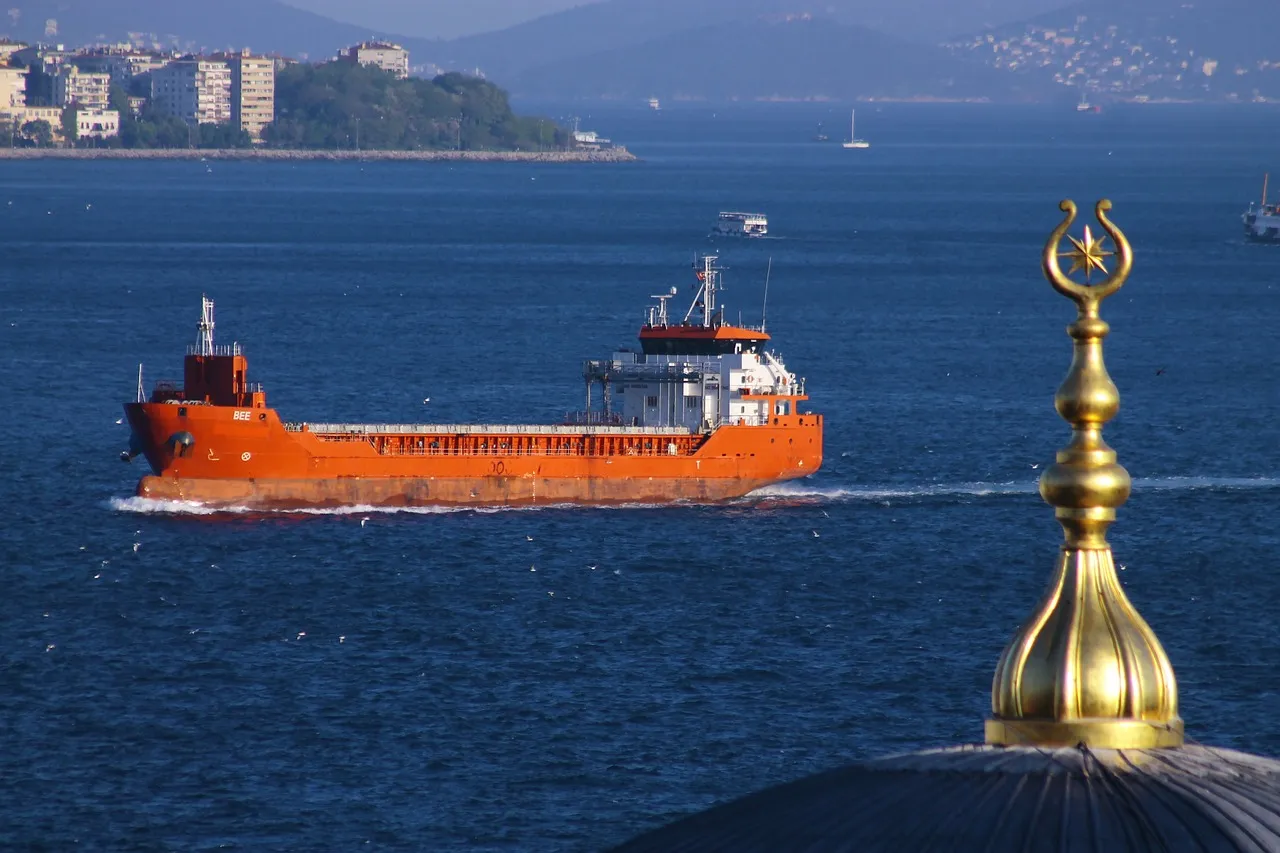
Unlike ordinary goods, leather imports face three special challenges:
- Quarantine Barriers: Animal-derived materials require fumigation certificates and certificates of origin/sanitary certificates.
- Classification Traps: Differences in HS codes for cowhide/sheepskin/crocodile skin lead to duty rate fluctuations of 5%-20%.
- Time Sensitivity Crisis: Raw hides have a shelf life of only 15 days, and port detention can lead to spoilage claims.
Mr. Wen lesson is typical: last year, due to misreporting the decorative use of crocodile skin, she was required to pay an additional 126,000 yuan in taxes. "The cost of figuring it out myself was more than three times higher than hiring a professional agent," she admitted.
The 5-Step Clearance Method of Professional Agents
The service process of experienced agents like Zhongmaoda is like a precision gear:
- Pre-screening Phase: Match the leather type with the list of permitted countries to avoid embargo risks.
- Document Optimization: Assist in obtaining CITES certificates (Convention on International Trade in Endangered Species of Wild Fauna and Flora) and CIQ sanitary registration.
- Smart Declaration: Predict the probability of inspection through customs big data, reducing the rate of unpacking.
- Emergency Channel: Raw hides can apply for priority inspection, with cold chain clearance completed in as little as 6 hours.
- Post-tracking: Automatically sync changes in customs policies, such as the recent EU regulations on vegetable-tanned leather.
Analysis of the Unavoidable Three Major Costs
The cost structure of customs clearance requires a keen eye:

- Explicit Costs: Declaration fees (approximately 0.3% of cargo value), quarantine fees (200-500 yuan/batch).
- Implicit Costs: Port detention fees (0.05% of cargo value per day), quality appraisal fees (starting from 2000 yuan).
- Value-added Services: Duty guarantee (saves 30% of margin), AEO certification guidance.
A handbag factory, based on the agent's classification advice, declared synthetic leather as decorative material, saving over 800,000 yuan in annual duties.
Which Customs Clearance Solution Should Your Leather Choose?
Before making a decision, please consider:
- Does it involve endangered species? (e.g., ostrich leather requires an additional CITES certificate)
- Does the processing technique change the HS code? (The duty rate difference between full-grain leather and corrected-grain leather is 7%)
- Are there preferential trade agreements? (Australian raw hides can enjoy zero tariffs)
Standing before the customs' newly launched "Intelligent Image Review" system, professional agents are like guides with X-ray vision, able to foresee every risk point in advance. Next time your leather crosses the ocean, will you continue to fight alone, or let the professionals handle it? Welcome to share your customs clearance stories in the comment section.

Recent Comments (0) 0
Leave a Reply