"Mr. Ji ceramic handicrafts were detained by customs because the packaging did not have English labels; Mr. Ji medical equipment had to pay an extra 20,000 yuan in customs duties for omitting a code on the declaration form..." These real cases all point to one issue: The professional requirements for import and export cargo shipping agents are far more complex than imagined. This article will break down those easily overlooked key requirements to help you avoid "pits" worth millions.
I. Document Preparation: The Devil is in the Details
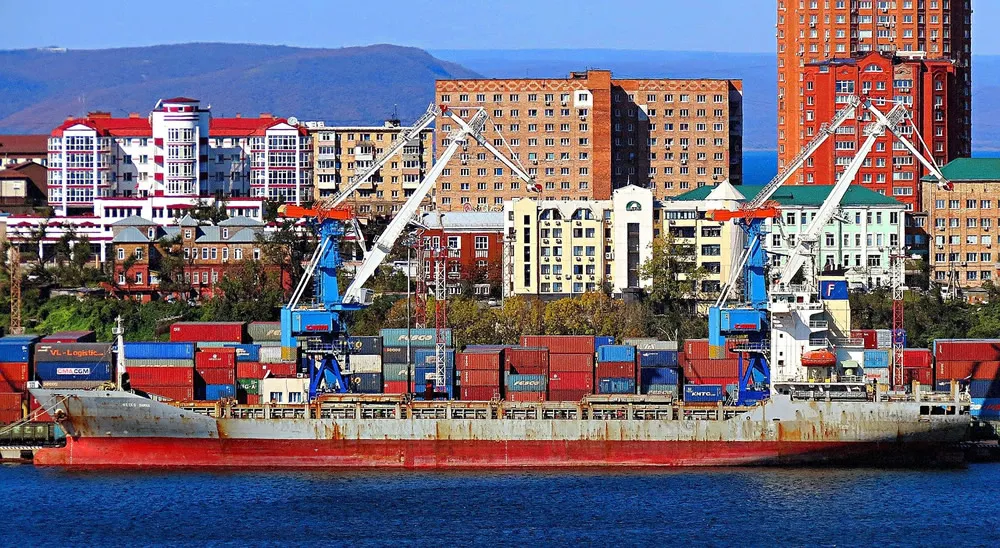
The core work of a shipping agent starts with documents:
- Commercial Invoice: Must reflect the true information of the buyer and seller, and detailed description of the goods (material/use needs to be precise to the first 6 digits of the HS code).
- Packing List: Different countries have special requirements (e.g., the Middle East requires marking the pallet material as fumigated wood).
- Certificate of Origin: The key document for preferential tax rates under free trade agreements, must be processed 15 working days in advance.
A certain clothing exporter once had an entire shipment recognized as false declaration by the destination country due to the invoice not indicating the "percentage of cotton content," resulting in a loss of over 800,000 yuan.
II. Packaging Regulations: The "Survival Rules" of International Transport
Different modes of transport have stringent standards:
- Sea Freight: Wooden boxes must have the IPPC fumigation mark (the EU also requires marking the heat treatment temperature).
- Air Freight: Lithium batteries need to pass UN38.3 testing, and the outer packaging must be affixed with Class 9 dangerous goods labels.
- Road Transport: Central Asian countries mandate anti-vibration straps for cargo.
Zhongmaoda's case library shows that 23% of transport delays are due to non-compliant packaging, with food products accounting for the highest proportion of spoilage caused by the lack of temperature control labels.
III. Customs Declaration: A 1% Data Difference May Lead to a 100% Loss
Three minefields in the declaration process:
- Commodity Code: The HS code for the same product may differ in different countries (e.g., the US has 2 more digits than China for "artificial flowers").
- Declared Value: Under-reporting may trigger customs audits, while over-reporting increases customs duty costs.
- License Management: Goods involving special qualifications such as 3C certification and pesticide registration certificates need to be filed in advance.
A certain machinery parts importer paid an additional 17% anti-dumping tax by misclassifying "bearings" as "general parts," equivalent to 1/3 of the annual profit.
IV. Risk Prevention and Control: The Invisible Cost Killer
Risk avoidance measures essential for professional agents:
- Transport Insurance: In areas with frequent pirate activity, it is recommended to insure against war risk (premium is about 0.3% of the cargo value).
- Compliance Review: Export to the US requires screening the EAR control list; the EU requires a REACH compliance declaration.
- Emergency Plan: Establish a list of alternative ports (e.g., quickly switch to the China-Europe freight train during the Red Sea crisis).
During the 2023 Suez Canal blockage incident, companies that had purchased port delay insurance in advance successfully claimed warehousing fees of $5,000 per day.
Conclusion: Is Your Cargo Truly "Safe"?
By the time you finish reading this article, cargo worth an estimated 320 million yuan globally may be stranded at ports due to agent errors. Choosing a professional agent is not a cost, but an investment. Feel free to share your transport challenges in the comment section, or send a private message to get the 2024 HS Code Change Comparison Table – your 1-minute consultation today may prevent millions in losses tomorrow.

Recent Comments (0) 0
Leave a Reply