At 6 AM, the bonded warehouse in Suzhou Industrial Park was already brightly lit. Mr. Lai stared at a series of red-alert logistics data on his computer screen, fine beads of sweat trickling down his forehead—this batch of precision instruments airfreighted from Germany had only 48 hours left until the customer's agreed delivery time, yet it was held up at Pudong Airport due to customs clearance document issues. Such scenes play out daily in Suzhou, a major foreign trade hub. Import cargo transportation agency, a seemingly simple link, is in fact an invisible battlefield that determines enterprises' international competitiveness.
Why Do Suzhou Enterprises Need Professional Import Agencies?
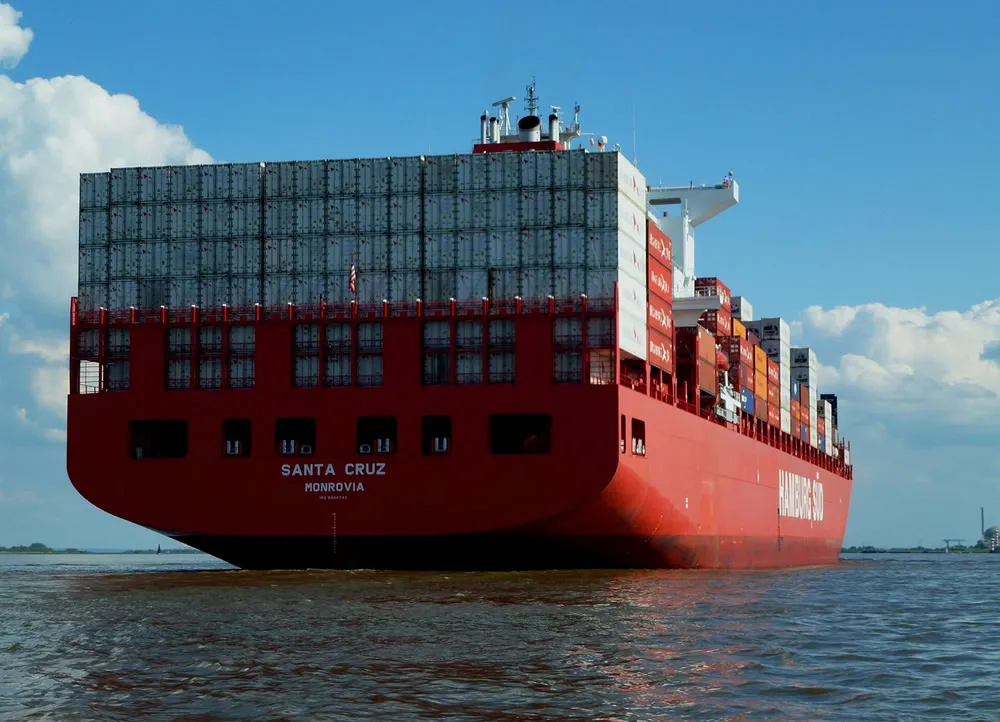
As a foreign trade hub in the Yangtze River Delta, Suzhou's import volume exceeded 1.2 trillion yuan in 2022, but Mr. Lai cross-border e-commerce company lost 15% of its profit due to uncontrolled transportation costs. Professional agency services can address three major pain points:
- Compliance risks: Differences in HS codes across countries can lead to tariff errors exceeding 20%
- Uncontrollable timeliness: Ordinary logistics transportation times can fluctuate by up to ±7 days
- Hidden costs: Additional costs like demurrage, inspection and devanning fees can account for 30% of the total transportation cost
Four Key Service Modules of Import Transportation Agency
Zhongmaoda's service cases show that a complete agency solution should include:
- Pre-classification service: Completing commodity code confirmation 3 working days in advance to avoid customs valuation disputes
- Diversified transportation: Combining air express/sea LCL/China-Europe freight trains, allowing for cost optimization of up to 40%
- Smart tracking system: Real-time monitoring of 22 nodes from origin port to final warehouse
- Emergency handling: Establishing a rapid response mechanism at major ports like Pudong Airport/Taicang Port
Three Hidden Factors Affecting Transportation Efficiency
Mr. Lai recent collaboration on a Japanese automotive parts project revealed some easily overlooked details:
- Packaging specifications: The difference between Japanese JIS standard pallets and domestic GB/T standards leads to a 30% waste of loading space
- Declaration elements: Goods not marked "wood-free packaging" will be subject to mandatory fumigation
- Trade terms: Under CIF terms, the buyer is responsible for destination port demurrage, but 80% of enterprises do not account for this cost
Changes the Industry Will Face in the Next Three Years
As RCEP rules of origin are more deeply applied, professional agency services are transforming from executors to supply chain designers. Mr. Lai recently adopted "Vietnam assembly + Japanese core components" model, through the agent's tariff planning scheme, directly reduced overall costs by 9.7%. However, this also places higher demands on agents' global resource integration capabilities.
Next time you receive imported goods, consider this: the shipping container carries not just products, but a global collaborative network built by countless agency professionals. Does your company's international supply chain also have untapped optimization potential? Feel free to share your cross-border logistics stories in the comments section.

Recent Comments (0) 0
Leave a Reply