“Mr. Pang recently took an overseas order but found himself struggling to choose an import/export agent – the market is flooded with service providers of varying quality, with quotes differing by 30%. Some promised ‘guaranteed customs clearance' but ended up with goods stuck at the port…” Such stories unfold daily in the foreign trade circle. Choosing the wrong agent not only leads to financial losses but can also mean missed business opportunities. Drawing on 10 years of industry experience, this article will break down 5 golden standards for selecting a high-quality agent.
I. Why Do 90% of People Step on These Mines When Choosing an Agent?
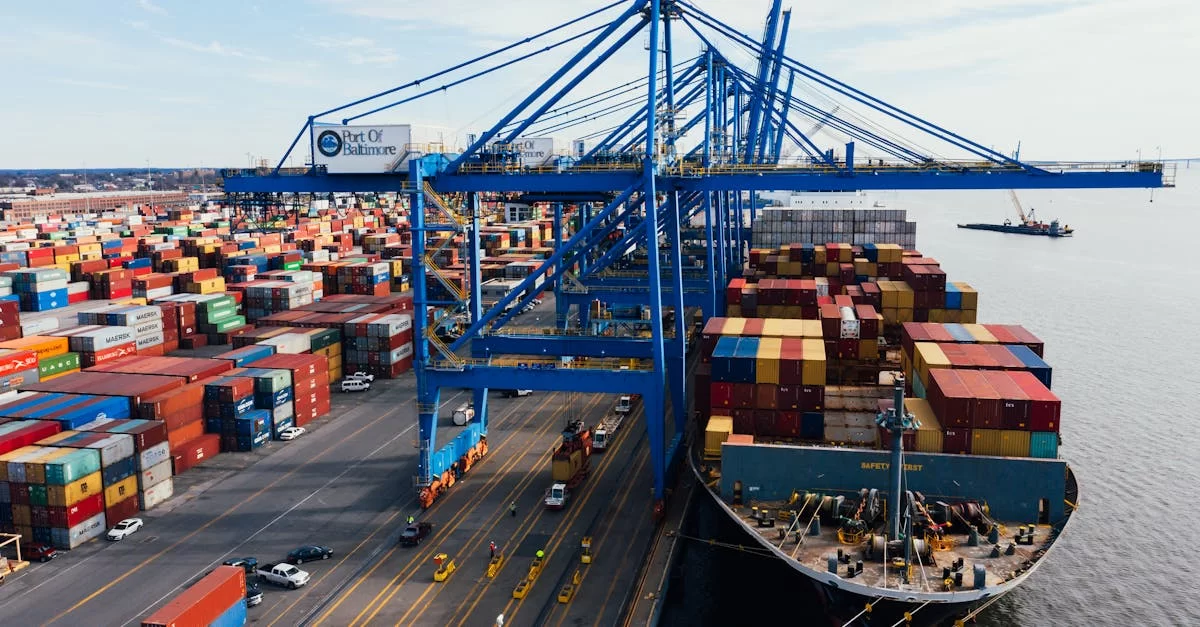
Last year, Mr. Pang entrusted an agent to import equipment, but the agent concealed anti-dumping duties, ultimately causing costs to skyrocket by 40%. Through research on over 200 companies, we identified common traps including:
- Attracting clients with extremely low prices, followed by hidden fees
- Lack of experience in handling special product categories (e.g., cold chain/hazardous materials)
- Low customs ratings leading to a surge in inspection rates
A cross-border e-commerce boss revealed: “The storage fees for one day of inspection delay can offset the agent's fees for the entire year.” This precisely highlights the fundamental difference between professional and unprofessional services.
II. Pinpointing Top-Tier Service Providers Across 5 Dimensions
Dimension 1: Qualifications and Certificates
Check for: AEO certification by customs, International Freight Forwarder qualification (FIATA), and industry association memberships. Leading companies like Zhongmaoda typically possess all licenses, while small operations may not even have basic customs declaration qualifications.
Dimension 2: Historical Cases

Request: Clearance records for similar product categories and operational cases for special trade methods (e.g., bonded zone transit). High-quality agents will proactively present past operational documents such as ATA carnets and processing trade manuals.
Dimension 3: Risk Control System
- Pre-classification accuracy rate ≥ 98%
- Customs declaration error rate < 0.5%
- Tax dispute resolution channels
III. The 3-Step Verification Method: Unmasking Scammers
1. Stress Test: Propose complex scenarios like “mixed export of chemicals” or “import of antique art” and observe their proposed solutions.
2. Data Verification: Query their customs declaration error records on the General Administration of Customs website.
3. On-site Inspection: Assess the operational team's adherence to professional usage of ICC Incoterms® terminology.
A building materials importer shared: “Truly professional agents will proactively analyze HS code contentious points, rather than simply promising ‘guaranteed passage'.”
IV. 2024 New Trend: The Rise of Digitalized Agents
With the customs' “Smart Port” initiative, leading companies have achieved:
- Real-time push notifications of customs declaration status
- AI-powered intelligent tariff classification
- Blockchain-based traceability and evidence preservation
However, it's important to note: Systems are merely tools; the core remains human expertise. There have been instances where small to medium-sized agents using SaaS software, due to unfamiliarity with RCEP rules of origin, caused clients to miss out on tariff preferences.
Your Choice Determines Your Business Boundaries
When we surveyed 20 buyers with annual import volumes exceeding ten million, we found a commonality: they treat agents as strategic partners rather than mere tools. Next time you evaluate a service provider, try asking: “If my goods are detained by customs, how quickly can you provide an emergency response plan?”
Welcome to share your unique methods for screening agents in the comment section. The reader with the most likes will receive an electronic copy of the Import/Export Compliance White Paper.

Recent Comments (0) 0
Leave a Reply