“Mr. Yang clothing factory designed a hit hoodie but was stuck at customs due to export qualifications; Mr. Yang ceramic crafts were favored by overseas buyers but could not be delivered on time due to logistics issues...” Such predicaments are common in the overseas expansion of SMEs. And agency export business is the key to solving these pain points. This article will deconstruct the complete process of this "invisible supply chain" and reveal how to achieve foreign trade breakthroughs by leveraging professional services.
I. Why is Agency Export Needed?

For SMEs lacking foreign trade experience or resources, independent export requires facing:
- Penalties due to incorrect customs code classification
- Complex foreign exchange receipt and payment processes
- Missing documents for tax rebate application
Through agency export services, enterprises can focus on product research and development and production, handing over professional links such as customs declaration, logistics, and foreign exchange settlement to service providers, thereby reducing trial-and-error costs.
II. The Six-Step Business Process
Step 1: Qualification Review and Signing
The agent will verify the enterprise's business license and product compliance documents (such as quality inspection reports), and sign a tripartite agreement (manufacturer, agent, overseas buyer) to clarify responsibilities and commission ratios.
Step 2: Order Management and Pre-auditing
The agent will assist in reviewing overseas order terms, paying special attention to:
- Trade terms (FOB/CIF, etc.)
- Payment methods (Letter of Credit, TT terms)
- Intellectual property risk avoidance
Step 3: Customs Clearance and Logistics Execution
From booking containers and trucking to export customs declaration, the agent will:
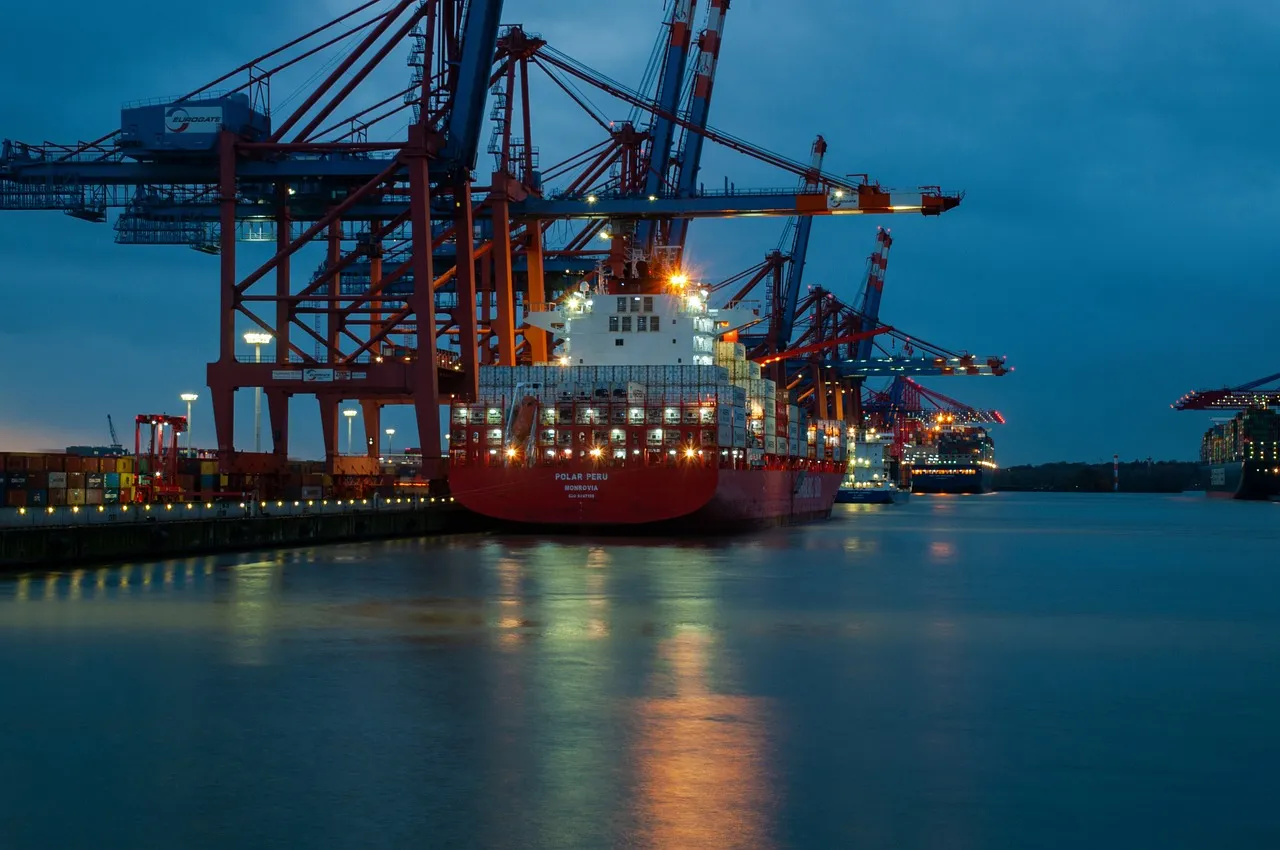
- Match the optimal logistics solution (sea/air freight/China-Europe Railway Express)
- Prepare Certificates of Origin such as FORM E
- Handle special requirements like commodity inspection and fumigation
Step 4: Foreign Exchange Settlement Handling
The agent will receive foreign exchange through a foreign exchange supervision account, solving common issues for SMEs such as:
- Delayed overseas payments
- Exchange rate fluctuation risks
- Excessive cross-border settlement fees
Step 5: Export Tax Rebate Agency
A professional team will prepare materials such as VAT invoices and customs declaration forms for tax rebates, shortening the tax rebate cycle by an average of 30-45 days.
Step 6: After-sales Tracking Service
This includes assistance with destination port customs clearance, handling of product quality returns and exchanges, and even facilitating connections with overseas warehouses for localized operations.
III. Pitfall Avoidance Guide: How to Choose an Agency Service Provider?
It is recommended to evaluate from three dimensions:
- Industry Experience: Have they handled similar products (e.g., experience with dangerous goods certificates for chemicals)?
- Risk Control Capability: Do they have experts in letter of credit review and a legal consultant team?
- Digitalization Level: Can they provide real-time tracking of logistics and a dashboard for tax rebate progress?
IV. New Trends: Value Upgrade of Agency Services
Leading service providers have shifted from simple execution to:
- Market Analysis: Guiding product selection through overseas customs data
- Financial Advance Payment: Alleviating enterprise cash flow pressure
- Compliance Training: Regularly updating policy interpretations such as RCEP
As global trade barriers become increasingly complex, letting professionals handle professional matters is becoming the rational choice. Have you ever lost orders due to unfamiliarity with export procedures? Please share your experiences; perhaps agency export is the solution you need.

Recent Comments (0) 0
Leave a Reply