Mr. Zhan recently registered a foreign trade company but struggled when choosing an export method: "I heard there are several foreign trade export methods, but which one is best for my product?" Like Mr. Zhan, many friends new to the foreign trade industry face this confusion. Today, we will systematically sort out the main foreign trade export methods to help you find the most suitable path for global expansion.
I. Three Mainstream Methods of Traditional Foreign Trade Export
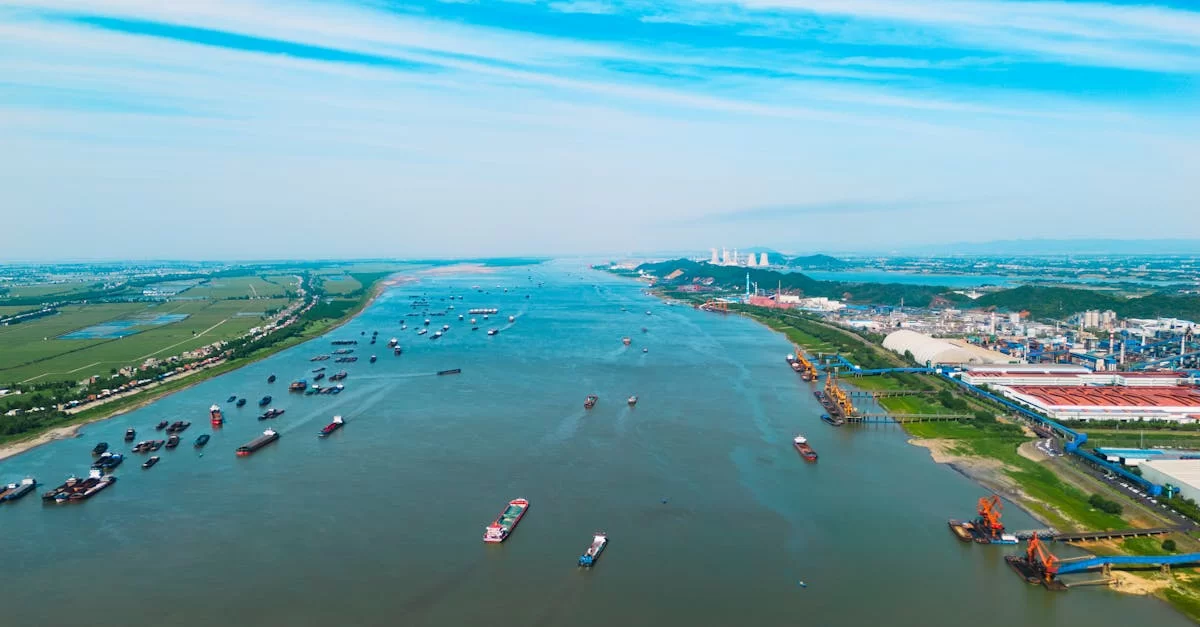
1. General Trade Export is the most basic and standardized method, suitable for enterprises with their own brands and stable orders. Goods are directly sold to overseas customers after formal customs declaration and tax payment. Foreign trade experts at Zhongmaoda advise: "This model has a longer capital recovery cycle, but the risks are controllable, making it suitable for bulk commodity transactions."
2. Processing Trade Export is mainly divided into two forms:
- Processing with supplied materials: Overseas customers provide raw materials, and domestic enterprises charge processing fees after manufacturing.
- Processing with imported materials: Enterprises purchase raw materials themselves for processing and export, with greater profit margins.
Mr. Zhan from a certain garment factory shared: "We adopt the processing with imported materials model, and by optimizing the supply chain, our profit margin is 15% higher than simple OEM."
II. Analysis of Emerging Cross-Border Export Models
Cross-border B2C e-commerce export has experienced explosive growth in recent years, mainly including:
- Platform-based: Sales through third-party platforms such as Amazon, eBay.
- Independent website: Building one's own brand official website to gain control over data.
It is worth noting that "Cross-border B2B e-commerce export" under customs supervision code 9810 combines traditional wholesale with e-commerce advantages, significantly lowering the threshold for SMEs to go global.
Market Procurement Trade (1039 model) is particularly suitable for small commodity distribution centers, allowing small and medium-sized merchants to export "without invoices and tax-exempt." Mr. Zhan, a merchant from Zhejiang, reported: "Previously, it was a headache to gather all the VAT invoices. Now, through the market procurement model, export efficiency has increased threefold."
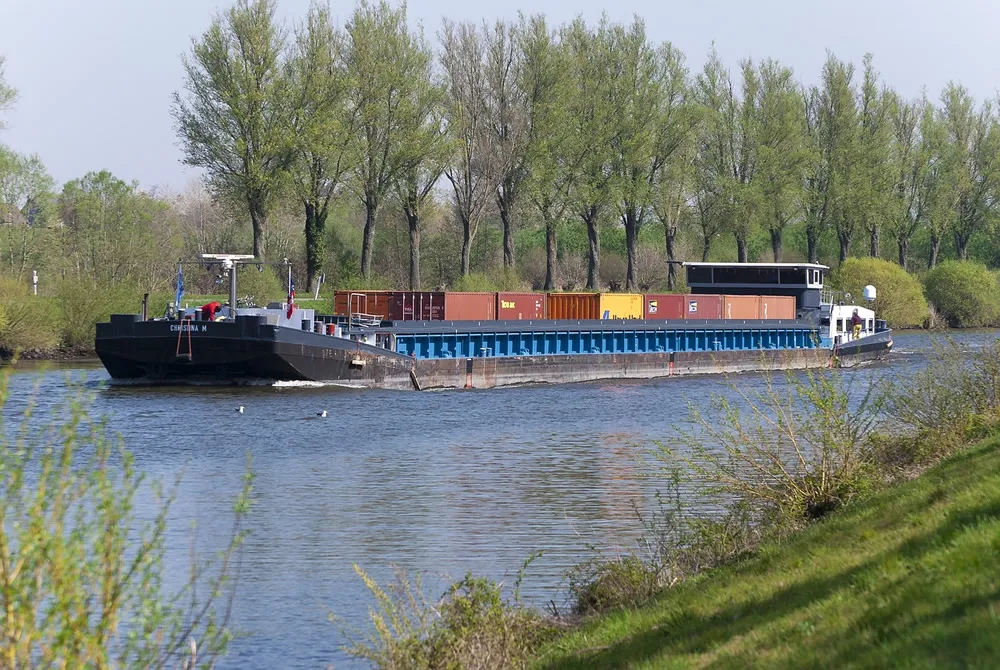
III. Export Strategies for Special Supervision Zones
Special zones such as bonded zones and free trade zones offer unique export solutions:
- Bonded warehousing: Delay customs duty payment, flexibly respond to order changes.
- Processing within the zone: Utilize policy incentives for value-added processing.
- Transit trade: Utilize geographical advantages for international transshipment.
Zhongmaoda's case studies show that a certain electronics enterprise, through the bonded zone VMI model, increased its inventory turnover rate by 40%.
IV. How to Choose the Most Suitable Export Method?
Four dimensions need to be comprehensively considered when making a choice:
- Product characteristics: Bulk commodities are suitable for general trade, while small batches can opt for cross-border e-commerce.
- Enterprise scale: SMEs can prioritize market procurement or the 9810 model.
- Financial strength: Processing trade requires advance payment for raw materials, and independent websites require operational investment.
- Long-term planning: For brand global expansion, a combination of general trade + independent website is recommended.
Conclusion: There is No Standard Answer in Foreign Trade, Only the Most Suitable Solution
As Mr. Zhan, a cross-border e-commerce practitioner, said: "Last year we rapidly grew using platforms, and this year we are building independent websites to establish our brand; different stages require different strategies." Which export method do you currently prefer? Feel free to share your global expansion story in the comments section; Zhongmaoda's expert team will select typical questions for professional answers.

Recent Comments (0) 0
Leave a Reply