“Mr. Han recently received samples sent by an overseas client, but they were detained by customs!” Does this scenario sound familiar? Import sample clearance, which seems like a simple matter of filling out a few forms, is actually fraught with many hidden complexities. Today, we will reveal the rules of this “customs clearance game” and help you avoid those troublesome traps.
Why Are Your Samples Always "Specially Treated" by Customs?
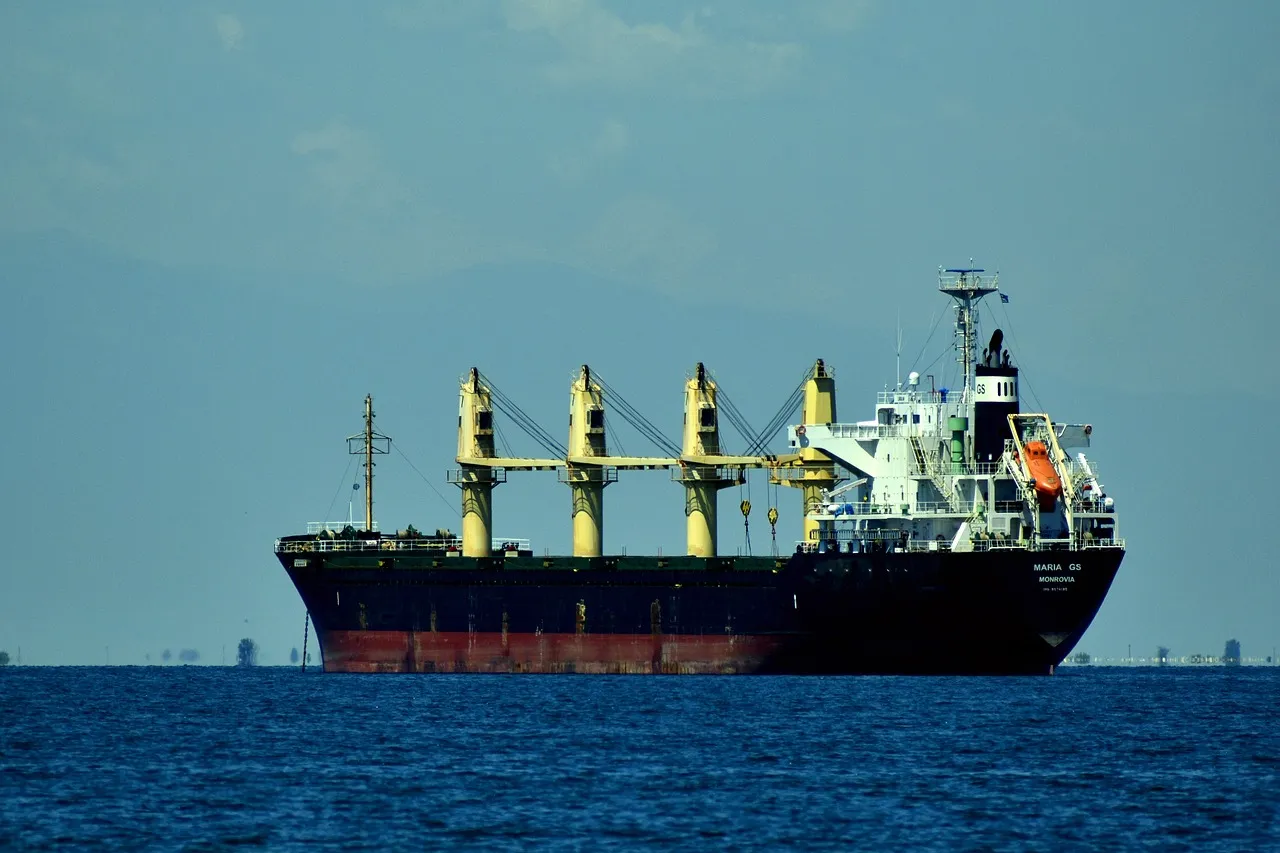
Many people think sample clearance is just a formality, but the customs inspection rate has been increasing year by year. Data from 2023 shows that the unpack inspection rate for sample express shipments reached a high of 27%, far exceeding that of ordinary goods. Mr. Han once encountered a situation where product samples sent by an overseas partner were not only required to pay additional taxes due to a significant discrepancy between the declared value and the actual goods, but also delayed the project progress.
- Declared Value Trap: Marked as "zero value" or significantly undervalued
- Vague Product Name: Using generic descriptions like "parts" or "samples"
- Missing Qualifications: Samples involving 3C, food, or other requiring special permits
The "Golden Rule" for Compliant Clearance in Three Steps
Zhong Maoda customs experts have summarized an efficient method:
- Preparation Stage: Request the overseas party to provide a proforma invoice, stating "Commercial Sample" and a reasonable estimated value (recommended to be 30%-60% of the commodity value).
- Document Preparation Stage: Prepare a sample statement letter and an import contract. For special categories, obtain temporary CCC certification or a sanitary permit in advance.
- Customs Declaration Stage: Select "Sample" as the supervision method (code: 0139) and truthfully declare the purpose as "no commercial value" or "not for sale."
Clearing Pitfalls We've Stepped On Over the Years
A technology company once had an entire batch of goods returned because the built-in lithium batteries in the samples were not UN38.3 certified; food samples were destroyed due to the lack of Chinese labels... Special categories must be confirmed in advance:
- Electronics and electrical products: Require a declaration of conformity.
- Cosmetics: Filing certificate + safety commitment letter.
- Medical devices: Registration and filing are required even for samples.
Emergency Plan When Clearance is Hampered
If you receive a customs inspection notice, it is recommended to immediately:
- Contact the customs broker to obtain the specific reason for inspection.
- Prepare a statement of circumstances (in both Chinese and English).
- For classification disputes, you can apply for pre-classification services.
Your Sample Clearance Experience Deserves to Be Seen
Have you encountered unexpected situations when importing samples? Feel free to share your "customs clearance stories" in the comment section. If you find this article helpful, please forward it to your partners who are worried about customs clearance. In the next issue, we will reveal the hidden gameplay of "temporary import and export". Please stay tuned!

Recent Comments (0) 0
Leave a Reply