Mr. Lin recently registered a cross-border e-commerce company, only to be overwhelmed by customs declaration documents for his first export order. Mr. Lin ceramic crafts are widely popular overseas, but an entire shipment was returned due to unfamiliarity with the destination country's certification standards. Stories like these unfold daily in the foreign trade industry, and the emergence of export agency companies seems to offer a standard answer to these challenges. But is this truly the case?
Three Core Values of Export Agency Companies
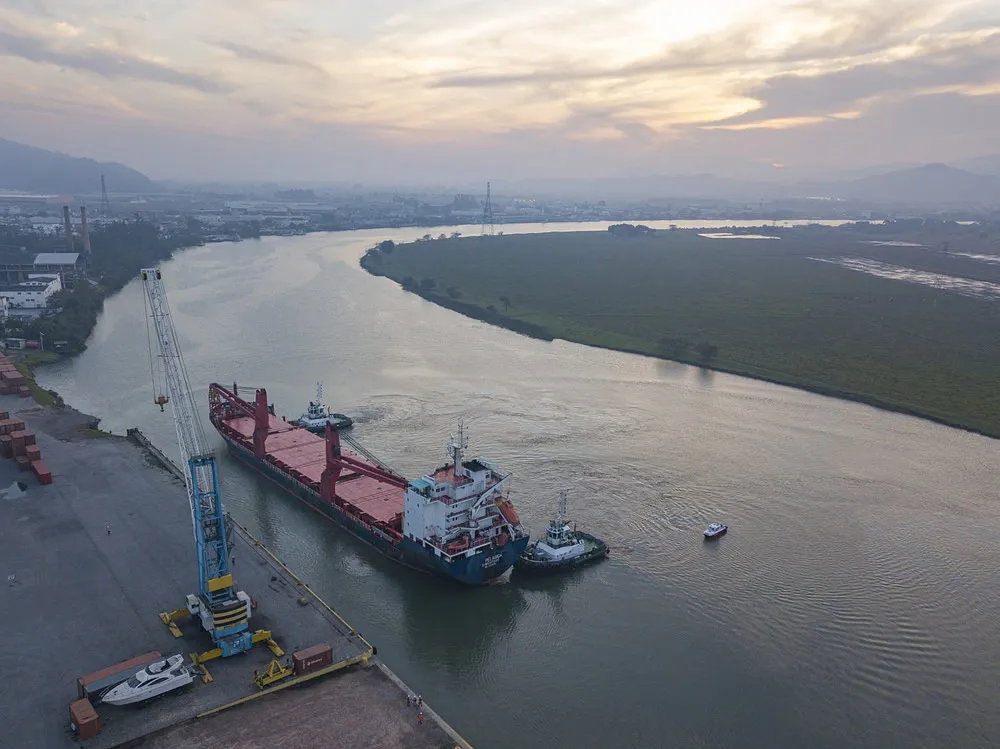
When businesses decide to sell goods overseas, they typically face at least three major hurdles:
- Compliance Firewall: From certificates of origin to FDA certifications, professional agency companies can proactively identify over 20 common compliance risks.
- Cost Optimizer: By consolidating orders from multiple companies, they can secure bulk discounts such as 15% off for sea freight consolidation and a 30% reduction in customs declaration fees.
- Risk Converter: Credit insurance services provided by institutions like Zhongmaoda can transfer buyer bankruptcy risks to specialized financial institutions.
Hidden Costs Behind Service Fees
A certain garment factory once had its profits eroded by 40% because its agency company concealed "destination port surcharges." These easily overlooked details include:
- Document Expediting Fee (can be as high as ¥2,000 per instance)
- Special Packaging Handling Fee (e.g., additional charges for moisture-proof wooden crates)
- Exchange Rate Lock-in Service Fee (approximately 0.3%-0.8% of the transaction amount)
Standardized companies like Zhongmaoda adopt an all-inclusive itemized pricing system, but price opacity still exists in the industry.
New Cooperative Models in the Intelligent Era
With the application of blockchain technology, more transparent collaboration methods have emerged:
- Logistics tracking systems allow companies to view cargo location in real-time.
- Smart contracts automatically trigger payments, reducing capital tie-up periods.
- AI compliance checks can complete document reviews that previously took three days in just 10 minutes.

This technology-empowered agency service is rewriting industry rules.
Does Your Business Truly Need Agency Services?
Consider this simple decision tree:
- Annual export volume
- Products involve more than 3 certification standards → Agency services recommended
- Dedicated foreign trade team in place → In-house export can be considered
It's worth noting that some companies adopt a hybrid model—handling regular orders in-house while outsourcing special markets or new products to agencies.
Action Guide: 5 Golden Questions When Choosing an Agency
Before signing a contract, be sure to ask:
- Do you have successful customs clearance cases in the target market? (Request to see the latest 3 transaction records)
- How are port congestion fees generated by cargo inspections shared?
- Does dispute resolution fall under Chinese law or international arbitration?
- Do you provide export data for tax refund declarations?
- Can you issue a bank-recognized export agency certificate?
Foreign trade has never been a black-and-white choice. When you are caught between the high costs of building your own team and the low control of agency services, perhaps you should consider: True business wisdom lies in entrusting professional matters to professionals. Which export model do you lean towards? Feel free to share your practical experience in the comment section.

Recent Comments (0) 0
Leave a Reply