"Mr. Zhan recently registered a foreign trade company but is struggling to choose an export method—agent export is hassle-free but has low profits, while self-operated export is profitable but has a high threshold. Which one is more suitable for his small enterprise?" If you have similar doubts, this article will take 10 minutes to help you thoroughly clarify the differences between the two.
I. Definitions: The Essential Differences Between Two Export Modes
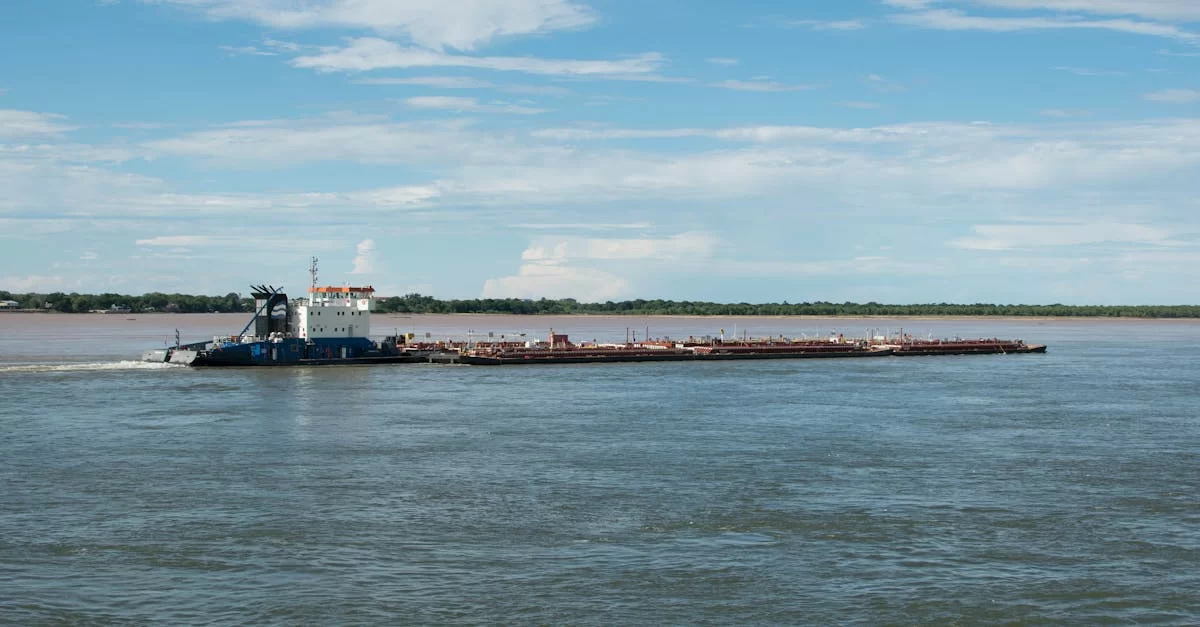
Agent export is like a "foreign trade nanny," where a professional agency handles the entire process for you, including customs declaration and tax refund. For example, Mr. Zhan garment factory exports through Zhongmaoda, only needing to provide goods and basic information, while the agent handles all other complex procedures.
Self-operated export means the enterprise builds its own foreign trade team and has full control over the entire process from customer development to foreign exchange settlement. This is like an electronics factory establishing an international business department and directly signing contracts with overseas buyers.
II. 5 Dimensions of Core Differences
- Capital Threshold: Agent export typically only requires payment of service fees (about 1%-3% of the cargo value), while self-operated export requires bearing fixed costs such as team salaries and platform annual fees.
- Risk Bearing: In the agent model, the payment security is partially guaranteed by the agent company. Self-operated export requires dealing with risks such as customer default and exchange rate fluctuations independently.
- Profit Margin: Self-operated export eliminates intermediate links, and the profit margin is usually 8%-15% higher than the agent model.
- Customer Resources: In agent export, terminal customer information may be shielded. Self-operated export allows you to build your own customer database.
- Compliance Requirements: Self-operated export requires obtaining import and export rights, foreign exchange accounts, and other qualifications. Agent export only requires a business license.
III. Selection Recommendations: Not Either/Or
Make dynamic choices based on the enterprise life cycle:
- Startup Enterprises: Agent export is recommended to test the international market with minimal cost.
- Growing Enterprises: A mixed approach can be used, with main products exported independently and non-core products entrusted to agents.
- Mature Enterprises: Establish a complete foreign trade system, but still use agents temporarily to share the pressure during unexpected large orders.
IV. Pitfall Avoidance Guide: 3 Common Misconceptions
1. "Agent is always cheaper": In the long run, self-operated export has lower marginal costs.
2. "Self-operated means doing everything yourself": Non-core aspects like logistics can still be outsourced.
3. "Once chosen, it cannot be changed": The two modes can be switched at any time, depending on business needs.
Where is Your Next Stop?
After reading this comparison, try a simple calculation: list your last 3 export orders and simulate the costs and benefits of both modes separately. You will find that there is no absolute right answer, only the most suitable choice for the current stage. Welcome to share your calculation results in the comment section, or ask specific questions—on the road of foreign trade, we are each other's lighthouses.

Recent Comments (0) 0
Leave a Reply