"Mr. Liao recently received an overseas order but had to abandon it due to a lack of export qualifications, resulting in a direct loss of over 500,000 yuan!" Such cases are not uncommon among small and medium-sized enterprises. With the popularization of cross-border e-commerce and foreign trade services, export agency has become the preferred method for many companies to "set sail" by leveraging external resources. But do you clearly understand what qualifications are actually required for export agencies? How can you avoid pitfalls? This article will break down all the key aspects for you.
I. Basic Qualifications: The "Entry Ticket" for Export Agencies
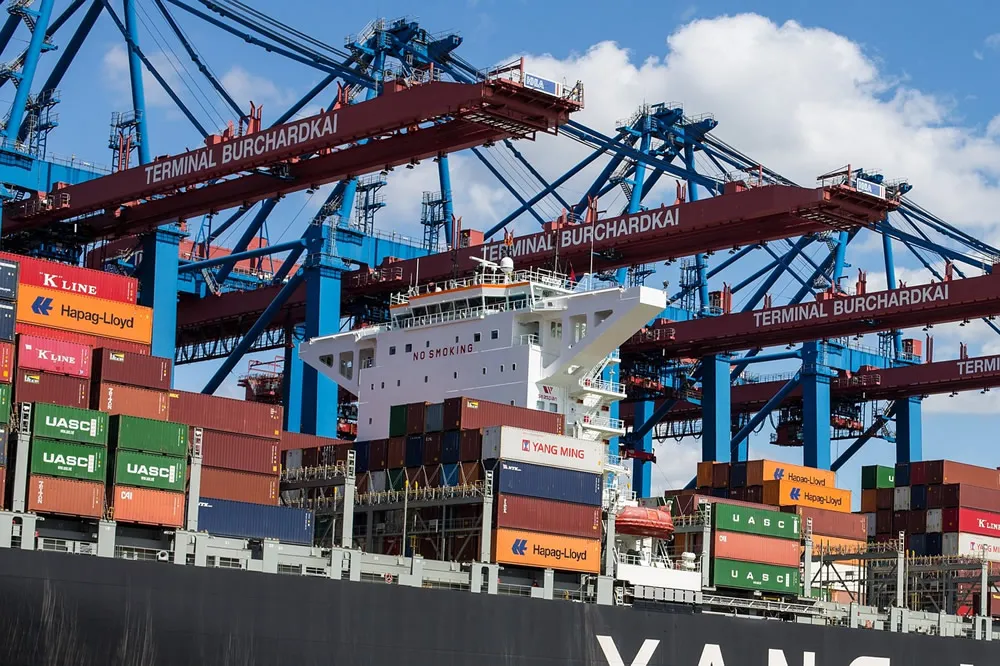
According to the Foreign Trade Law, to conduct export agency business, the following basic conditions must be met:
- Business License: The scope of business must include relevant clauses such as "import and export of goods" or "agency for import and export."
- Customs Registration Certificate: Registration as a consignor/consignee of import and export goods must be completed with the customs.
- Foreign Exchange Administration Filing: Obtaining the qualification for the import and export enterprise directory is necessary for cross-border payment and receipt of foreign exchange.
Mr. Liao garment factory once had an entire container of goods detained at the port for 15 days due to her business license lacking the words "import and export," incurring additional storage fees of over 20,000 yuan. These seemingly simple qualifications are often the most easily overlooked aspects in practice.
II. Special Industry Qualifications: The Key to Breaking Through Category Restrictions
Different commodity categories have differentiated requirements for agency qualifications:
- Food/Cosmetics: An Import and Export Food and Cosmetic Filing Certificate must be obtained.
- Medical Devices: A Medical Device Business License and product registration are mandatory.
- Hazardous Chemicals: A Hazardous Chemical Business License issued by the emergency management department is required.
A toy factory's export of products containing batteries was returned by the destination country's customs due to the lack of a hazardous goods transport packaging use identification result for outbound goods. The processing period for special category qualifications typically takes 30-60 working days, so early planning is recommended.

III. Essential for Operations: Easily Overlooked "Soft Qualifications"
In addition to the mandatory qualifications required by official bodies, these capabilities directly impact business success:
- Foreign Exchange Settlement Capability: Familiarity with the operation of the "Cargo Trade Foreign Exchange Monitoring System" of the foreign exchange administration is required.
- Tax Handling Capability: Export agency involves specialized operations such as VAT "exempt, offset, and refund."
- Document Preparation Capability: Documents such as commercial invoices, packing lists, and certificates of origin must comply with international standards.
Zhongmaoda experts suggest: New entrants can consider collaborating with professional foreign trade integrated service enterprises, reducing compliance risks through a "qualification sharing" model.
IV. Full Guide to Obtaining Qualifications
Taking daily consumer goods as a common example, the qualification application process can be divided into three stages:
- Preparation Stage: Prepare basic materials such as the company's articles of association and the legal representative's ID card (3-5 working days).
- Application Stage: Apply for registration with customs, foreign exchange, electronic port, etc., sequentially (15-20 working days).
- Completion Stage: Supplement special qualifications based on product type (depending on the category).
It is worth noting that since 2023, standardized declaration has been promoted nationwide through the "Single Window," shortening the overall processing time by 40%.
V. Future Trends: Digital Upgrade of Qualification Management
With the implementation of agreements such as RCEP, new mechanisms such as mutual recognition of qualifications and self-declaration are gradually being promoted. It is recommended that enterprises:
- Establish a dynamically updated qualification management ledger.
- Pay attention to the "Authorized Economic Operator" (AEO) certification from the General Administration of Customs.
- Proactively plan for policy dividends such as "tax exemption without invoice" in cross-border e-commerce comprehensive pilot zones.
After reading this article, consider conducting a self-assessment: Do your current qualifications cover your target markets? Are there any special categories that have not been declared? You are welcome to share your export agency experiences in the comment section, or leave a message to inquire about specific qualification issues. On the path to going global, compliance is the key to long-term success.

Recent Comments (0) 0
Leave a Reply