On the grand stage of international trade, agency export business is becoming increasingly common. Many enterprises or individuals choose agency export to conduct export business more conveniently. However, a key issue then arises: who gets the tax rebate for agency exports? This can be quite confusing, so let's sort it out today.
I. Basic Models of Agency Export
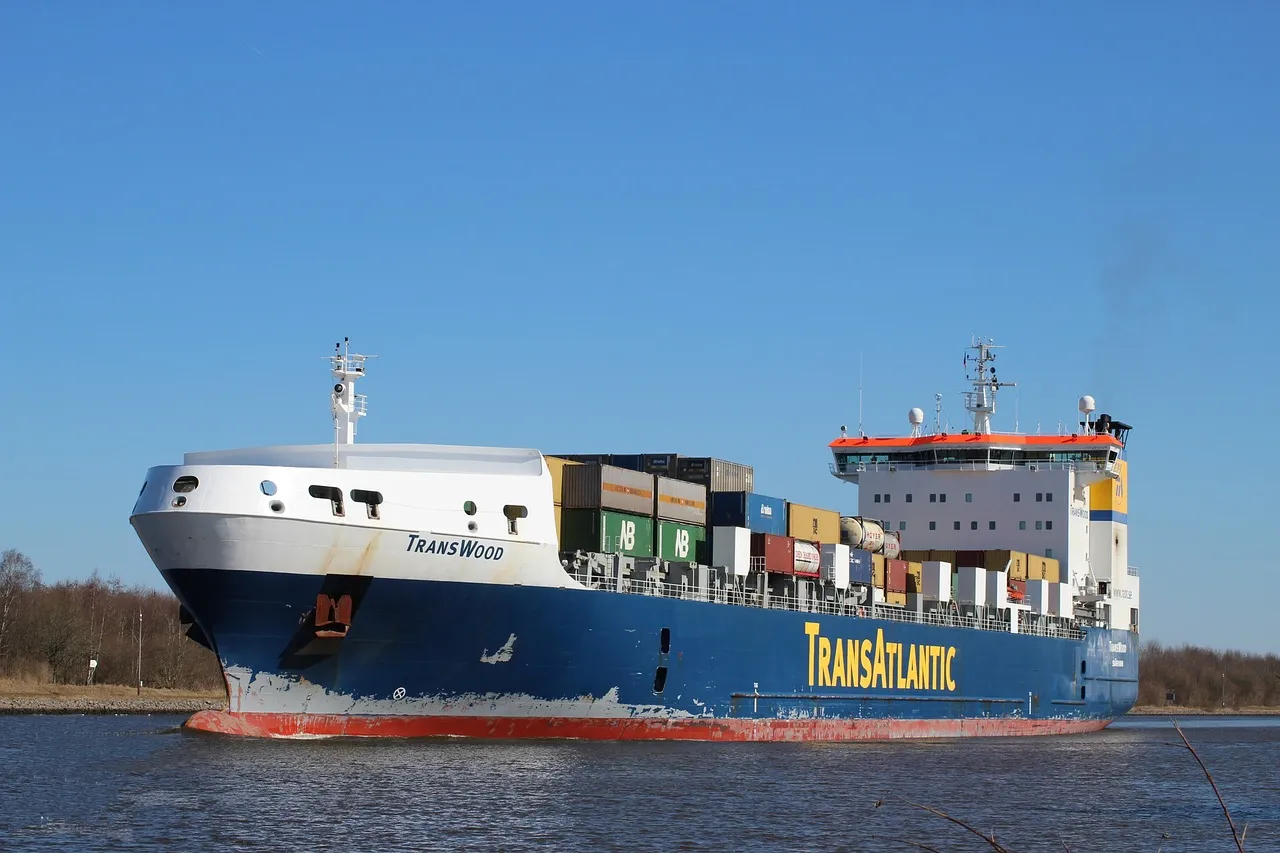
First, we need to understand how agency export operates. Generally, there will be a principal and an agent. The principal usually has goods to export but may choose to entrust the export business to a qualified agent, such as a professional agency like Zhongmaoda, due to their lack of export qualifications, complicated procedures, or insufficient foreign trade experience. The agent, with their professional capabilities and resources, is responsible for handling export customs declaration, freight, settlement, and other procedures. In this process, the tax rebate is involved, and the attribution of this tax rebate has its nuances.
II. Tax Rebate Attribution Scenarios
(I) Generally, Tax Rebates Belong to the Principal
In most conventional agency export businesses, if the agency agreement between the principal and the agent clearly specifies matters concerning tax rebates, and it complies with relevant tax policies, then the tax rebate belongs to the principal. This is because the goods ultimately belong to the principal, and the agent merely assists in handling export-related procedures. For instance, if Mr. Kong has a batch of special handicrafts he produced that he wants to export abroad, and he entrusts Zhongmaoda for agency export, in this case, as long as the procedures are complete and compliant, the tax rebate generated after the export of these handicrafts will be returned to Mr. Kong.
(II) Under Special Agreements, Tax Rebates May Have Different Arrangements
However, there are also some special circumstances. If the principal and the agent have a special agreement in the agency contract, for example, if the agent undertakes certain additional risks or provides special services, and both parties reach a consensus, the tax rebate may be partially or even fully allocated to the agent according to the agreed proportion or method. But this situation is relatively rare and must be supported by a clear written agreement. It's like Mr. Kong company entrusting Zhongmaoda to agency export a batch of goods. Due to special storage requirements during transportation for these goods, Zhongmaoda invested a significant amount of additional resources. After negotiation, the agency agreement made special provisions for the distribution of the tax rebate.
III. Procedures and Precautions for Handling Tax Rebates
Regardless of who the tax rebate ultimately belongs to, handling tax rebates requires following the prescribed procedures. Firstly, the agent must promptly and accurately declare export customs declarations and other relevant documents, ensuring the information is complete and accurate. Then, according to the requirements of the tax authorities, prepare a series of supporting documents such as purchase invoices and export contracts. For the principal, if the tax rebate belongs to them, they should closely cooperate with the agent to provide the necessary materials, ensuring the entire tax rebate process proceeds smoothly. At the same time, both parties should constantly monitor changes in tax policies, as policy adjustments may affect tax rebates. For example, if recent tax policies have slightly adjusted the export tax rebate rates for certain products, both agents like Zhongmaoda and principals must understand and take corresponding measures.
IV. The Importance of Clarifying Tax Rebate Attribution
Why go to such lengths to clarify who gets the tax rebate for agency exports? This directly relates to the vital interests of all parties! For the principal, the tax rebate can be a significant income, directly impacting the export profit of the products. For the agent, if the attribution of the tax rebate is unclear or not handled properly, it may lead to disputes with the principal, affecting their reputation and business development. Therefore, before engaging in agency export business, it is essential to clearly stipulate tax rebate-related matters in the agency agreement to avoid unnecessary trouble later.
In summary, who receives the tax rebate for agency exports is not a simple or arbitrary matter; it needs to be determined based on the specific circumstances, the agency agreement, and relevant tax policies. We hope that when participating in agency export business, everyone can clearly understand these nuances to conduct their business more smoothly and avoid unpleasantness due to tax rebate issues. Are you clearer about agency export tax rebates now? Welcome to leave comments in the comment section to discuss!

Recent Comments (0) 0
Leave a Reply