In the complex processes of international trade, the two aspects of agent import and agent customs declaration often confuse many people. They may sound somewhat similar, but in reality, there are numerous differences. Today, let's thoroughly explore the distinctions between the two, so you'll no longer be confused in your import and export business, just like Mr. Mo who took many detours when handling related business because he didn't clearly understand the differences between these two. We certainly cannot repeat the same mistakes.
I. Major Differences in Business Scope
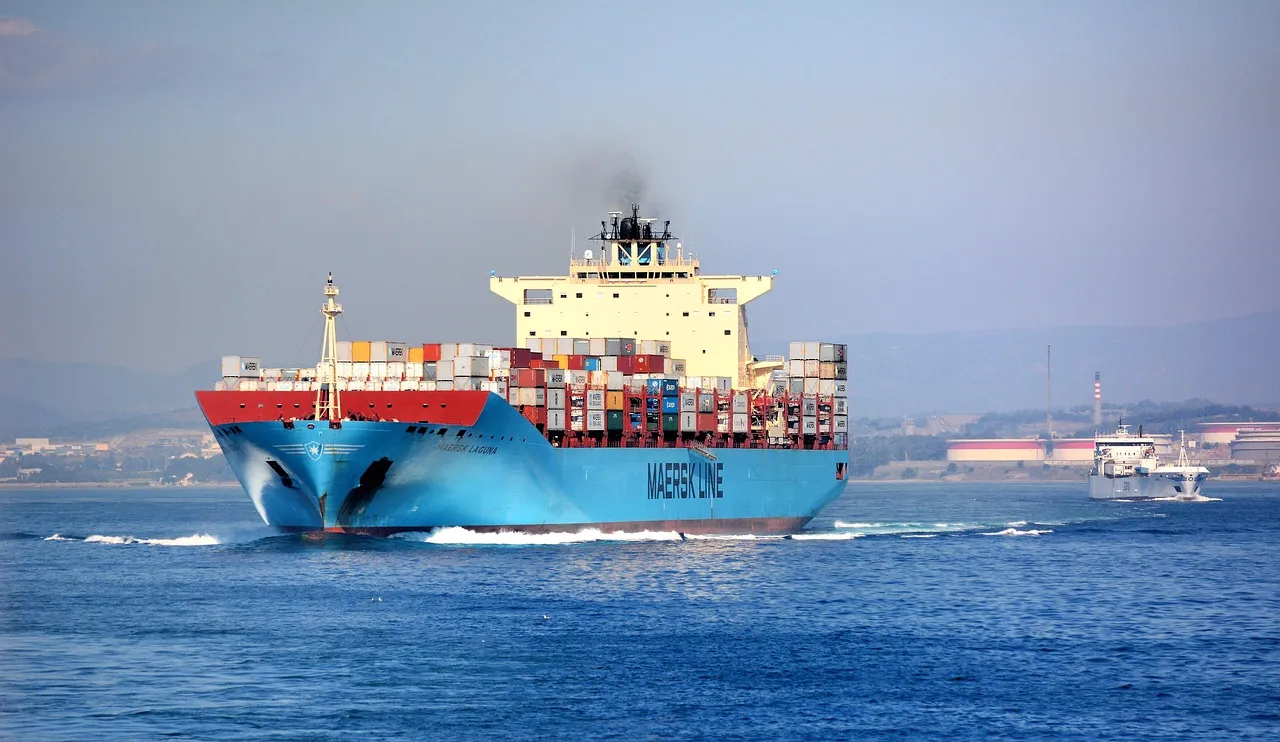
The business scope of agent import is relatively broader. It involves multiple aspects of the entire import business process, from finding suitable foreign suppliers and signing import contracts to arranging transportation and handling import permits, and a series of preliminary preparatory tasks, all of which can be included in the service scope of agent import. It can be said that an agent importer is like a comprehensive steward, responsible for various matters throughout the entire chain from the origin of goods to domestic receipt.
Agent customs declaration, on the other hand, primarily focuses on the customs declaration process. Its core task is to help enterprises prepare and submit accurate customs declaration documents to customs, ensuring that goods can smoothly pass through customs inspections, taxation, and other procedures, legally and compliantly entering and exiting the country. Simply put, an agent customs declarer is more like a professional customs affairs assistant, responsible only for the critical but relatively singular of customs declaration.
II. Differences in Required Qualifications
Engaging in agent import business often requires more comprehensive qualification conditions. As it involves foreign economic activities such as overseas procurement and contract signing, enterprises are generally required to have relevant qualifications like foreign trade operator registration, enabling them to legally conduct business under international trade rules. Simultaneously, a deeper understanding of markets and products in different countries is also needed to help clients select suitable import products.
For agent customs declaration enterprises, the focus is on possessing qualifications directly related to customs declaration business, such as customs declaration enterprise registration permits. These enterprises need to have a professional team of customs declarers who are familiar with customs regulations, declaration procedures, and classification codes for various goods, to ensure the accuracy of customs declaration work.
III. Different Emphases in Liability
The liabilities undertaken by an agent importer are relatively extensive. Besides ensuring the smooth import customs clearance of goods, they are also responsible for the quality, quantity, and delivery time of the imported goods. If issues arise with the goods due to the agent importer's errors, such as quality not conforming to contractual agreements or delayed delivery, they must bear corresponding responsibilities and compensate the client.
Agent customs declaration enterprises primarily bear responsibility for the customs declaration process. If goods' clearance is hindered or fines are incurred due to inaccurate or incomplete customs declaration documents, or non-compliant operations during the declaration process, then the agent customs declaration enterprise shall be held accountable for this.
IV. Differences in Charging Models
The fees for agent import usually consider multiple factors, such as the value of the imported goods and the complexity of the agency service (how many procedures are involved, whether special handling is required, etc.). Generally, the fees are relatively flexible and may be negotiated based on specific business circumstances.
The fees for agent customs declaration are primarily based on factors such as the number of customs declarations, the type of goods, and the complexity of the declaration process. Relatively speaking, the charging standards may be more standardized, but there will also be some differences across different regions and enterprises.
Having understood these differences between agent import and agent customs declaration, I believe everyone will be more adept at handling import and export businesses in the future. Just like Mr. Mo, after clarifying these points, her business processes became much smoother. Have you encountered any confusion in your actual business due to not distinguishing between these two? Feel free to leave a comment and share, let's make our journey in international trade smoother and smoother!

Recent Comments (0) 0
Leave a Reply