Mr. Mo recently encountered a dilemma: his company is preparing to expand into overseas markets but is struggling to choose between self-managed export and agency export. What are the specific differences in tax handling between these two methods? Which one is more suitable for his company? Today, we will unravel this mystery that troubles countless foreign trade professionals.
I. Self-Managed Export: Independent and Autonomous, Clear Tax Burden
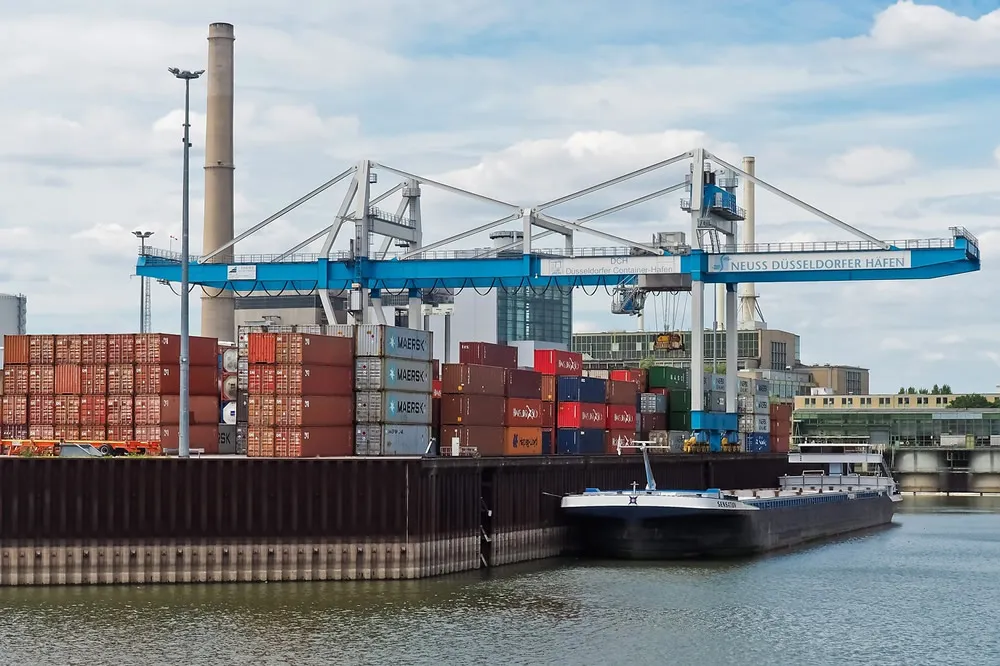
Self-managed export refers to an enterprise handling its export business independently, directly signing contracts with foreign customers, and receiving and paying funds. The biggest advantage is that the enterprise can fully enjoy export tax rebate policies, typically refunding Value-Added Tax and Consumption Tax.
- Tax Rebate Process: Customs declaration for export → foreign exchange collection and verification → tax rebate application
- Tax Rate Advantages: Tax rebate rates for different commodities range from 5% to 17%.
- Risk Alert: Must bear foreign exchange collection risks and compliance costs independently.
II. Agency Export: Worry-Free and Effortless, But at a Cost
Mr. Mo company chose agency export, with a professional foreign trade company handling export procedures on their behalf. Under this method, the entity for tax rebates is the agent, not the actual manufacturing enterprise. The enterprise can only obtain partial tax rebate benefits through the agency agreement.
- Common Models: Buyout agency and commission agency.
- Tax Treatment: Deemed domestic sale and payment of VAT; agency fees are deductible.
- Applicable Scenarios: Start-up enterprises or small single-item exports.
III. Key Comparison: Calculate This Economic Account Clearly
Through the case analysis of ZhongMaoda, it was found that for an enterprise with an annual export volume of 5 million yuan:
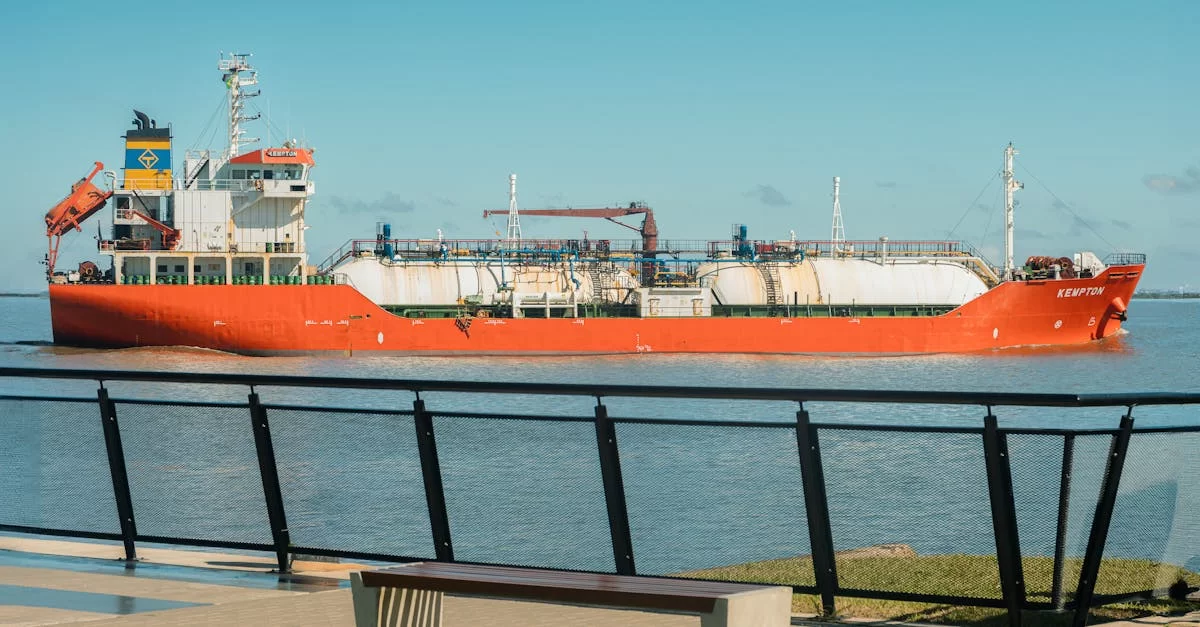
- Self-managed export can obtain approximately 8% more tax rebate revenue.
- But it requires an increase of about 150,000 yuan in human resources and management costs.
- Agency export saves operating costs but compresses profit margins by 3-5%.
IV. Decision Guide: Three Core Considerations
1. Export Scale: For annual export volumes below 2 million yuan, agency export can be prioritized.
2. Professional Capabilities: Whether the company has a foreign trade team and risk control capabilities.
3. Fund Turnover: The tax rebate cycle for self-managed export is typically 3-6 months.
What is Your Choice?
After reading this comparison, it's time to re-examine your company's export strategy. Feel free to share in the comment section: Which export method do you lean towards? Why? Perhaps your experience is exactly what other readers need.
If you are still hesitant, it is recommended to test both methods on a small scale first, collect actual data over 3-6 months, and then make a decision. After all, what is suitable is the best.

Recent Comments (0) 0
Leave a Reply