In the intricate network of international trade, import formal customs declaration acts as a crucial bridge, connecting overseas suppliers with the domestic market. For many businesses and individuals involved in import and export operations, import formal customs declaration is both familiar and unfamiliar. Familiar, because it is an indispensable procedure for goods to legally enter the domestic market; unfamiliar, because it involves numerous details and regulations, where a slight oversight could lead to difficulties. Today, let us delve into import formal customs declaration together and unravel its mysteries.
What is Import Formal Customs Declaration
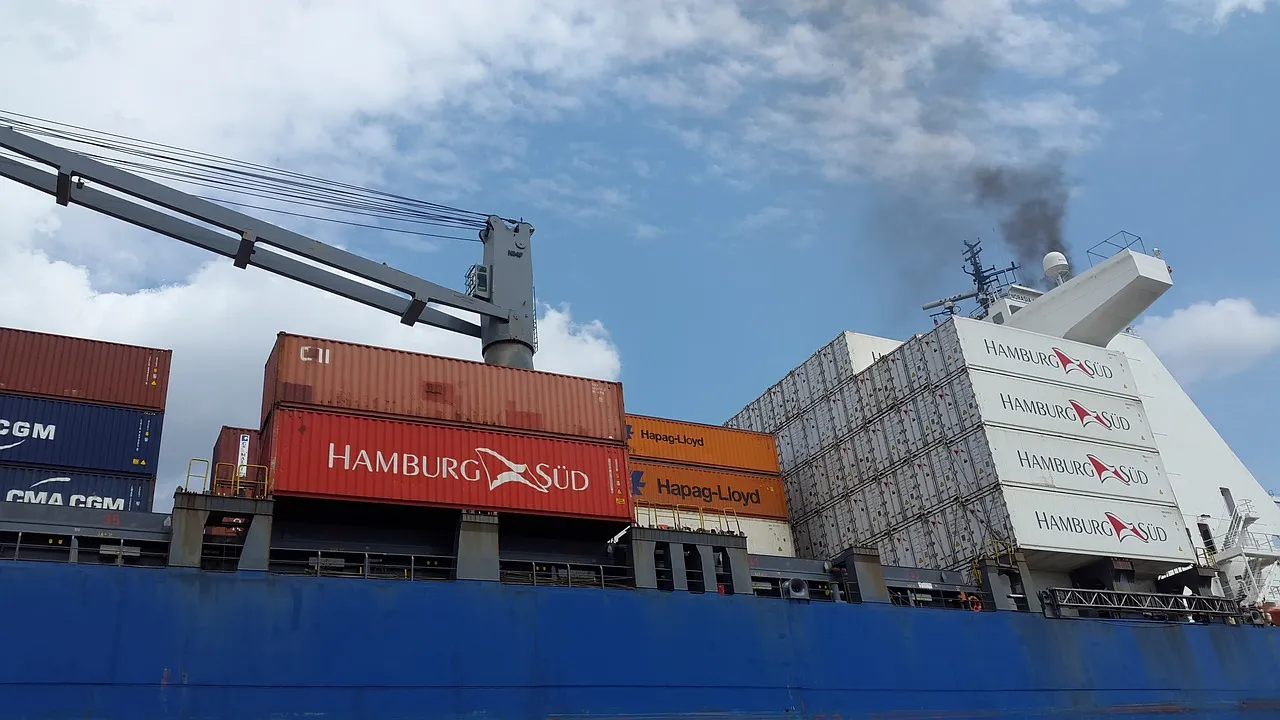
Import formal customs declaration, simply put, is the process where, upon importation of goods, the importer declares detailed information about the goods to customs, including their name, quantity, value, origin, etc. Customs reviews this information to determine if the goods meet import requirements and to levy corresponding taxes and fees. This process appears simple, but in fact covers many aspects. Taking Zhongmaoda as an example, when they assist clients with import formal customs declaration, every piece of data must be precise and error-free, because even a single decimal point error could lead to customs clearance being obstructed.
Process of Import Formal Customs Declaration
First is the declaration stage. The importer needs to prepare various documents, such as commercial invoices, packing lists, bills of lading, etc., and declare them to customs via electronic systems or paper submission. Mr. Jiang, for instance, once experienced declaration delays due to incomplete commercial invoice information, leading to goods being held at the port and incurring additional storage costs.
Next is the inspection stage. Customs will decide whether to inspect the goods based on risk control. Inspection methods include external inspection, unpacking inspection, etc. If the goods do not match the declared information, there is a risk of fines or even re-exportation.
Then comes the taxation stage. Customs calculates and levies import duties, value-added tax (VAT), and other fees based on the classification and tariff rates of the goods. Mr. Jiang company imported a batch of electronic products and, due to a misunderstanding of tariff policies, underpaid some taxes. Subsequently, customs pursued collection and imposed late payment penalties.
Finally, there is the release stage. Once the declaration, inspection, taxation, and other processes are successfully completed, customs will release the goods, and the importer can take delivery.
Considerations for Import Formal Customs Declaration
- Document preparation must be complete and accurate. Not only ensure that the information on the documents matches the actual condition of the goods, but also pay attention to details such as document validity and seals.
- Understand customs regulations and policy changes. Customs policies are adjusted based on factors like international trade trends; timely attention and adaptation to these changes can avoid unnecessary trouble.
- Choose a professional customs broker. Experienced agent companies like Zhongmaoda can efficiently handle various issues during the customs declaration process, leveraging their professional knowledge and resources.
Summary and Reflection
Import formal customs declaration is a vital link in international trade; it not only affects whether goods can clear customs smoothly but also impacts enterprise costs and reputation. Both importers and relevant practitioners should deeply understand all stages and considerations of import formal customs declaration. We hope that through this article's introduction, everyone can gain a clearer understanding of import formal customs declaration. If you have any experiences or questions during the import formal customs declaration process, feel free to share and discuss them in the comments section, let us explore together and facilitate the smooth development of international trade.

Recent Comments (0) 0
Leave a Reply