In the current era of deep global economic integration, import and export trade serves as an invisible thread, tightly connecting countries around the world. As an enterprise with rich experience in the import and export trade sector, Zhongmaoda possesses a profound understanding of the current trade landscape. Let us now delve deeper into the present state of import and export trade.
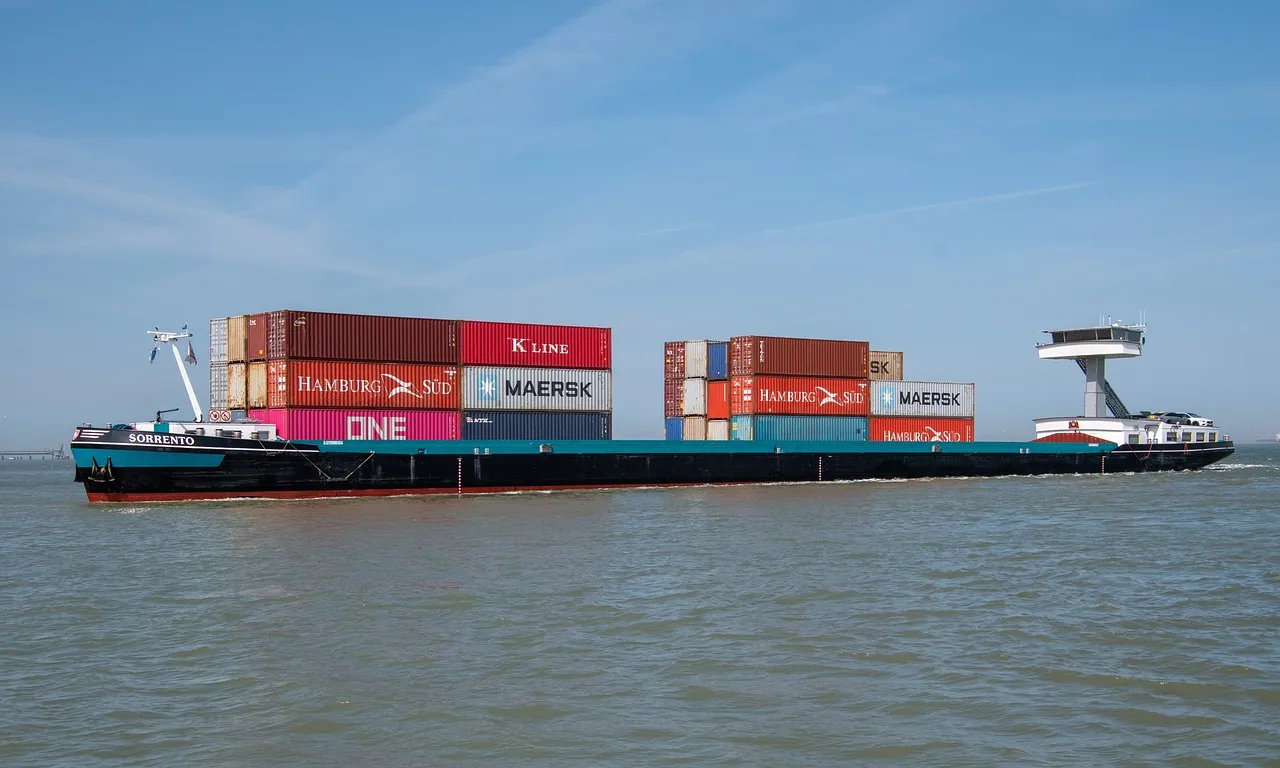
Trade Scale and Trends
In recent years, the overall scale of global import and export trade has shown dynamic changes. Despite facing various challenges, the total trade volume has maintained a certain growth momentum. Mr. Liao from Zhongmaoda points out that emerging markets are increasingly prominent in global trade, with their import and export growth exceeding that of traditional developed economies. Emerging trade categories, represented by digital products, new energy-related products, and others, are growing rapidly and gradually changing the trade structure. While traditional labor-intensive product trade still accounts for a certain share, its growth rate is gradually slowing down.
Trade Barriers and Responses
Trade barriers have always been an important factor affecting import and export trade. Non-tariff barriers, such as technical standards and environmental requirements, are increasing and becoming more stringent. Mr. Liao from Zhongmaoda mentioned that in the face of these barriers, enterprises need to continuously improve their product quality and technical capabilities. For instance, increasing R&D investment to ensure products comply with advanced international standards. Simultaneously, actively seeking policy support and utilizing intergovernmental trade agreements and consultation mechanisms to secure more favorable trade environments for enterprises. Some enterprises also bypass trade barriers by setting up factories overseas, achieving localized production and sales.
Digitalization and Trade Transformation
The digital wave has profoundly altered the operational models of import and export trade. Online trading platforms are becoming increasingly prevalent, significantly reducing trade costs and improving trade efficiency. Zhongmaoda closely follows this trend, optimizing supply chain management through digital means, achieving real-time monitoring and efficient allocation of cargo transportation and warehousing. Concurrently, big data analysis provides strong support for enterprises to accurately grasp market demand and formulate marketing strategies. An increasing number of enterprises are utilizing blockchain technology to ensure the authenticity and security of trade data, thereby enhancing trade trust.
Sustainable Development and Trade Responsibility
Against the backdrop of growing global attention to sustainable development, import and export trade also bears new responsibilities. The importance of environmental standards in trade is becoming increasingly prominent, with a rising trade volume of green products. Zhongmaoda actively responds to this trend by strengthening its import and export business layout in environmentally friendly products. Enterprises recognize that promoting sustainable development is not only about fulfilling social responsibilities but also a key to enhancing their own competitiveness. In the future, enterprises that perform exceptionally well in environmental protection and social responsibility will hold a stronger advantage on the international trade stage.
The future of import and export trade is full of opportunities and challenges. Enterprises need to keep pace with market trends, actively respond to trade barriers, fully leverage digital means to enhance competitiveness, and simultaneously shoulder the responsibility of sustainable development. Only in this way can they remain invincible in the ever-changing international trade landscape. It is hoped that enterprises can gain inspiration from these analyses and jointly promote the prosperous development of import and export trade.

Recent Comments (0) 0
Leave a Reply