In the tide of globalized trade, Malaysia holds a significant position in the re-export trade due to its unique geographical location and policy advantages. Re-export trade, a unique trade model, acts as a "behind-the-scenes master" on the international trade stage, silently facilitating the circulation and distribution of goods in the global market. Today, let us unveil the mystery of Malaysia's re-export trade together.
Advantages of Malaysia's Re-export Trade
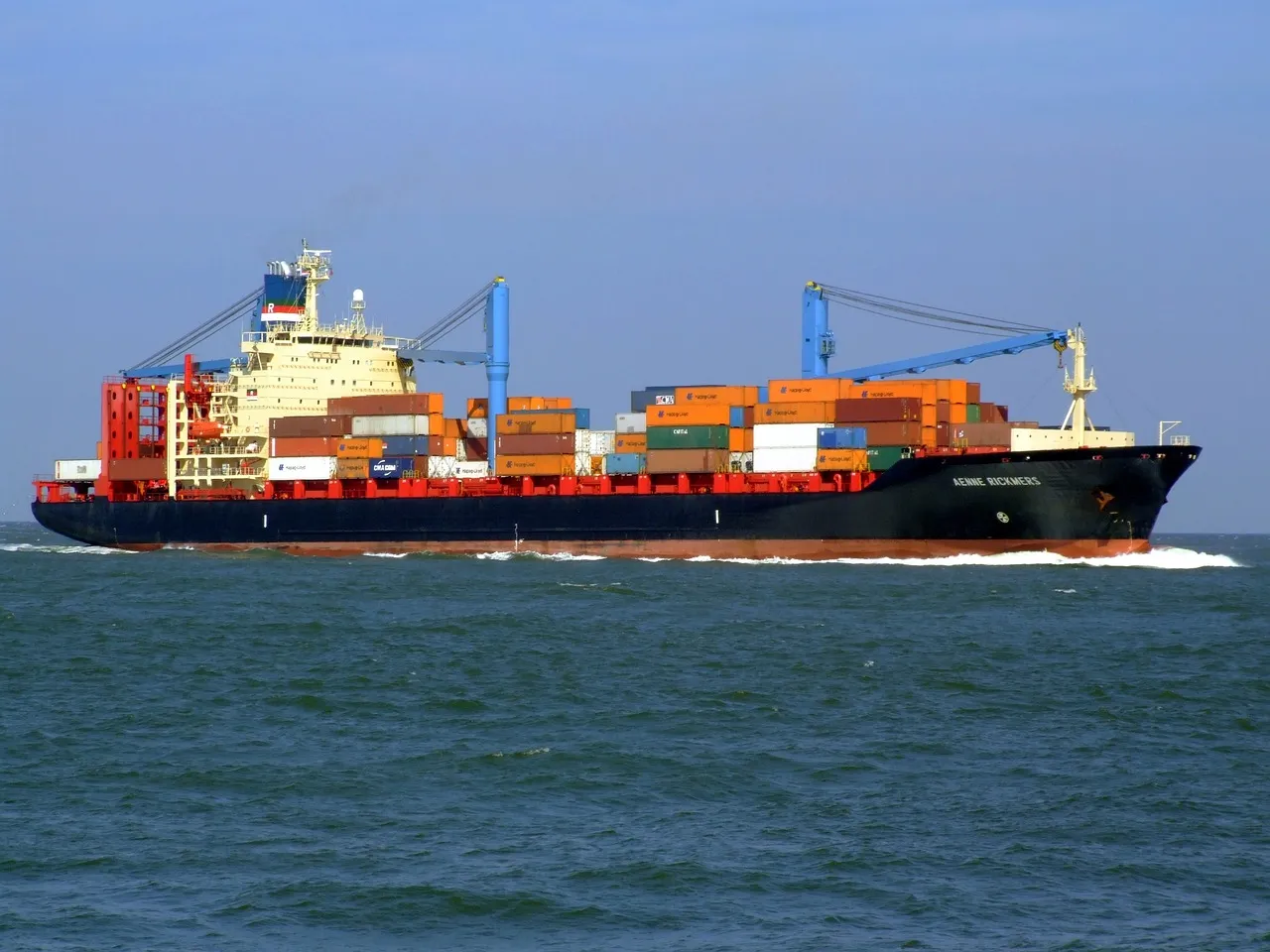
Malaysia enjoys a superior geographical location, situated in the core area of Southeast Asia and controlling the Strait of Malacca, a critical waterway connecting the Indian Ocean and the Pacific Ocean. Approximately one-third of global maritime trade passes through this area. As a transportation hub, goods can be transited here with great convenience, efficiently collected and distributed whether they originate from East Asia, Europe, or the Middle East.
From a policy perspective, the Malaysian government has introduced a series of preferential policies to promote the development of re-export trade. For instance, it has established numerous free trade zones, offering benefits such as low tax rates and simplified customs clearance procedures for enterprises within these zones. This significantly reduces operational costs for businesses, enhances trade efficiency, and attracts many international companies to engage in re-export trade activities here.
Re-export Trade Operational Models and Processes
Generally, Malaysia's re-export trade involves three parties: the supplier, the re-exporter, and the final buyer. Suppose a factory in China (supplier) produces a batch of electronic products to be sold to a company in Europe (final buyer). Due to certain reasons, such as trade barriers or transportation costs, direct export is difficult. In this case, a Malaysian re-exporter can be utilized.
First, the Chinese factory ships the goods to Malaysia. Upon arrival at a Malaysian port, the goods enter warehouses within a free trade zone. Here, the re-exporter carries out simple processing such as sorting and packaging. Sometimes, product labels are changed according to the buyer's requirements. Subsequently, the re-exporter re-exports the goods to the European buyer under their own name. During this process, the re-exporter is responsible for handling all logistics, customs clearance, and other procedures to ensure smooth delivery of the goods.
Risks and Challenges Coexist
Although there are numerous opportunities in Malaysia's re-export trade, it is not always smooth sailing. The volatility of trade policies presents a major challenge. Trade policies of different countries can be adjusted at any time. Changes in tariff rates, the introduction of trade restrictive measures, etc., can affect the cost and feasibility of re-export trade. For example, if the destination country suddenly increases import tariffs on a certain product, the re-exporter may need to re-evaluate costs and pricing, or even face the risk of cargo detention.
Logistics are also crucial. Although Malaysia has convenient transportation, unexpected situations such as weather or port congestion may still occur during the transportation of goods, leading to delivery delays. This can not only lead to claims from the buyer but also affect the re-exporter's reputation.
Future Outlook
With the in-depth promotion of the "Belt and Road" initiative, Malaysia, as a key node country, is expected to usher in new development opportunities for its re-export trade. More infrastructure construction cooperation will further enhance its logistics efficiency and port throughput capacity. At the same time, the rise of digital trade also provides new development directions for Malaysia's re-export trade. Through digital platforms, re-exporters can more efficiently integrate resources, process orders, and improve the transparency and controllability of trade.
For enterprises intending to engage in international trade, a deep understanding of Malaysia's re-export trade may offer new breakthroughs for expanding into international markets. Whether it is to circumvent trade barriers or optimize logistics routes, Malaysia's re-export trade is worth in-depth research and exploration by enterprises.

Recent Comments (0) 0
Leave a Reply