When you order an imported product on an e-commerce platform, have you ever wondered how it travels across oceans and continents to reach you? Freight forwarders are like the "invisible butlers" of international trade, connecting the global supply chain with their professional expertise in everything from customs declaration and transportation to warehousing. This article will lift the veil on this understated industry.
I. What Exactly Do Freight Forwarders Do?
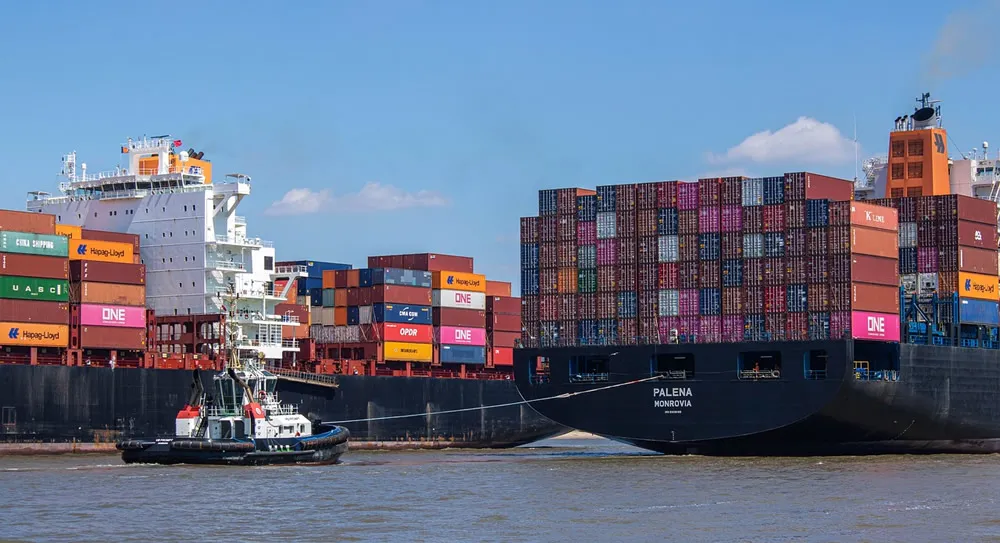
Mr. Liu recently faced a challenge: a batch of precision instruments needed to be shipped from Germany to Chongqing. The shipment had to avoid humid ports and comply with new import regulations for medical devices. The solution provided by the freight forwarding company enlightened him: China-Europe Railway Express + bonded zone storage + temperature-controlled transportation, which reduced costs by 40% compared to air freight.
This case exemplifies the three core values of a freight forwarder:
- Solution Design Experts: Matching the optimal route based on cargo characteristics
- Regulation Interpreters: Anticipating changes in customs policies across countries
- Risk Management Specialists: Handling unforeseen circumstances during transit
II. Five Major Changes Happening in the Industry
Mr. Liu, with ten years of experience, has witnessed the digital transformation of this traditional industry firsthand:
- Electronic bills of lading have replaced paper documents, shortening customs clearance time from 3 days to 3 hours
- IoT devices provide real-time monitoring of cargo temperature and humidity, reducing insurance premiums by 15%
- AI route planning systems consider factors such as oil prices, weather, and strike risks
Companies like Zhongmaoda have begun utilizing blockchain technology to achieve immutable, end-to-end traceability of freight data. This transparent operation is reshaping customer trust systems.
III. Three Golden Rules for Choosing a Service Provider
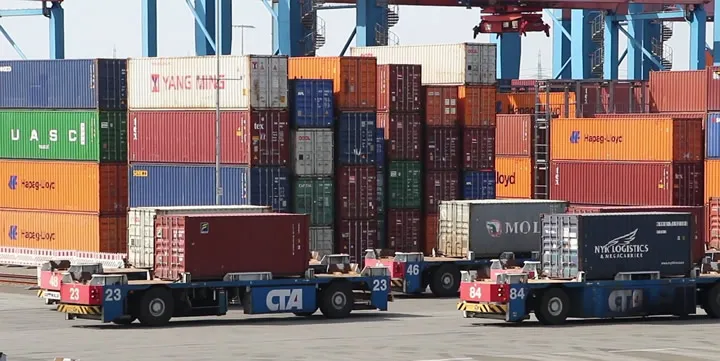
When faced with a wide range of service providers of varying quality, it is advisable to focus on:
- Specialization in Niche Areas: The needs of chemical transport and cross-border e-commerce logistics are vastly different
- Emergency Response Speed: During the pandemic, a shipping company suddenly declared force majeure on containers; a high-quality forwarder provided an alternative solution within 2 hours
- Fee Transparency: Beware of low-price traps; reputable companies will clearly list surcharges like BAF/CAF
A furniture exporter once had their costs exceed budget by 27% due to their forwarder concealing destination port congestion fees. This lesson reminds us: professional service is never simply about being the cheapest.
IV. The Future is Here: Is Your Supply Chain Smart Enough?
As carbon neutrality becomes a global imperative, freight forwarders are promoting green solutions such as electric trucks and biofuel ships. Industry estimates suggest that optimizing transportation routes can reduce carbon emissions by an average of 12%.
The next time you sign a contract, consider asking your forwarder two questions: "How can this solution be validated by data?" and "What are the contingency plans in case of delays?" The answers will clearly demonstrate the depth of the service provider's professionalism.
In this era of interconnectedness, the value of freight forwarders has long surpassed mere "transportation arrangements" and has upgraded to become strategic partners in the supply chain. Is your enterprise ready to embrace this deep collaboration?

Recent Comments (0) 0
Leave a Reply