When Mr. Zhuang received the Italian designer leather sofa, he had no idea that this piece of furniture had transited through three countries and crossed two continents. Behind this lies a little-known trillion-dollar market – re-export trade furniture. Today, we will uncover this industry secret that saves ordinary consumers 30%-50% of their costs, while making traders a fortune.
What is Re-export Trade Furniture?
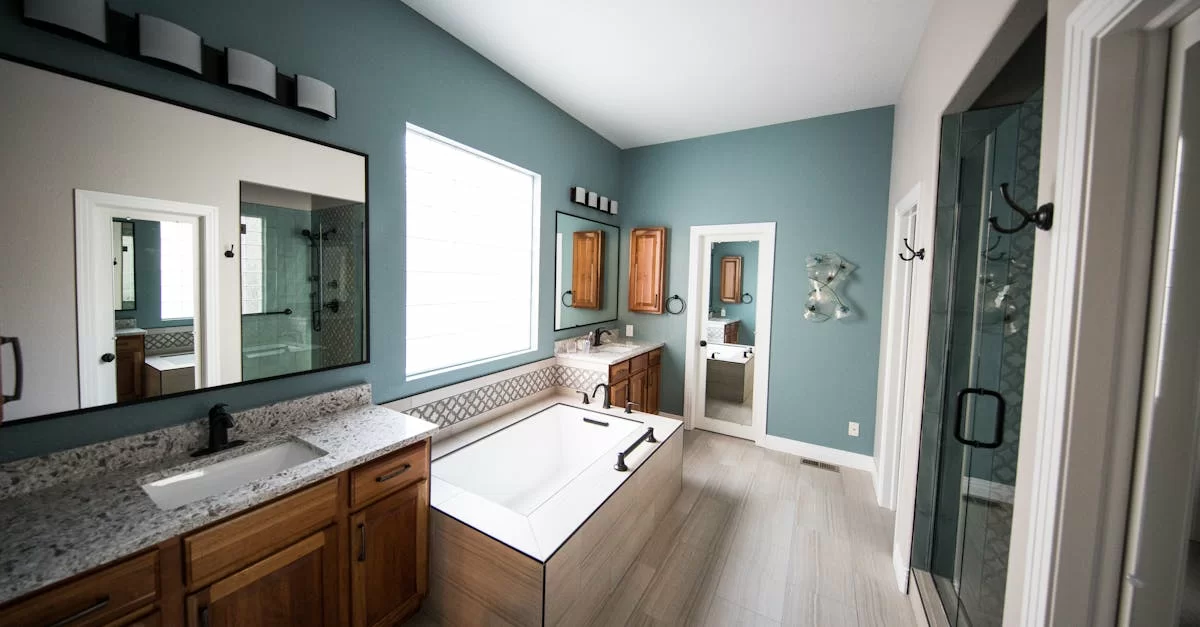
Simply put, it is a special trade model where goods depart from Country A, transit through Country B, and are finally sold to Country C. For example, rubberwood sofas from Malaysia are first shipped to Singapore for relabeling, and then exported to Europe under the name "Made in Singapore". This "detour" approach allows furniture companies to:
- Avoid high tariffs in the target country (e.g., the 25% tariff imposed by the US on Chinese furniture)
- Utilize free trade agreements of transit countries (e.g., ASEAN-EU FTA)
- Enhance product premium space (the combination of "German Design + Vietnamese Manufacturing")
The Three Core Links of Re-export Trade
1. Logistics Hub Selection
Mr. Zhuang team found through calculations that furniture transiting through Dubai, although incurring an 8% increase in shipping costs, resulted in a 37% decrease in overall tariff costs. The current mainstream transit points include:
- Southeast Asia: Singapore, Port Klang, Malaysia
- Middle East: Jebel Ali Free Zone, Dubai
- Europe: Port of Rotterdam, Netherlands
- Certificate of Origin (COO) from the transit country
- Relabeled product nameplate
- Quality inspection report compliant with the transit country's standards
- Sea/land combined transportation solutions
- Transit port warehousing period
- Exchange rate fluctuation buffer fund
How Can Ordinary Consumers Benefit?
Furniture purchased through re-export trade channels often offers:
- A direct price reduction of 40% for products of the same quality (avoiding brand premiums)
- A full set of documents, including import customs clearance forms
- A stable supply chain with delivery in 15-30 days
However, special attention should be paid to selecting service providers like Zhongmaoda, which have triple certifications (ISO/BSCI/FSC), to avoid falling into "fake re-export" traps.
Future Trend: Digital Re-export Trade
Leading companies are now utilizing:
- Blockchain traceability systems (scan QR codes to view logistics trajectories)
- Smart tariff calculators (automatically match optimal routes)
- 3D cloud showrooms (real-time inspection of goods in transit warehouses)
As one industry insider said, "Future re-export trade will not be about who can find a more circuitous route, but who has more transparent data."
Where is Your Opportunity?
If you are considering:
- Cross-border e-commerce entrepreneurship in furniture
- Optimization of imported furniture procurement
- Overseas warehouse strategic layout
Now, why not try a test: open the page of a desired imported furniture item and compare the price difference between direct procurement and re-export trade channels. This number might be the starting point for your next business opportunity.

Recent Comments (0) 0
Leave a Reply