On the grand stage of international trade, the phenomenon of "fake export, real agency" acts like a mysterious character hidden in the shadows, appearing ordinary but actually harboring hidden complexities. Today, let us delve into the mysteries behind it and see how it operates and what impacts it brings.
What is "Fake Export, Real Agency"?
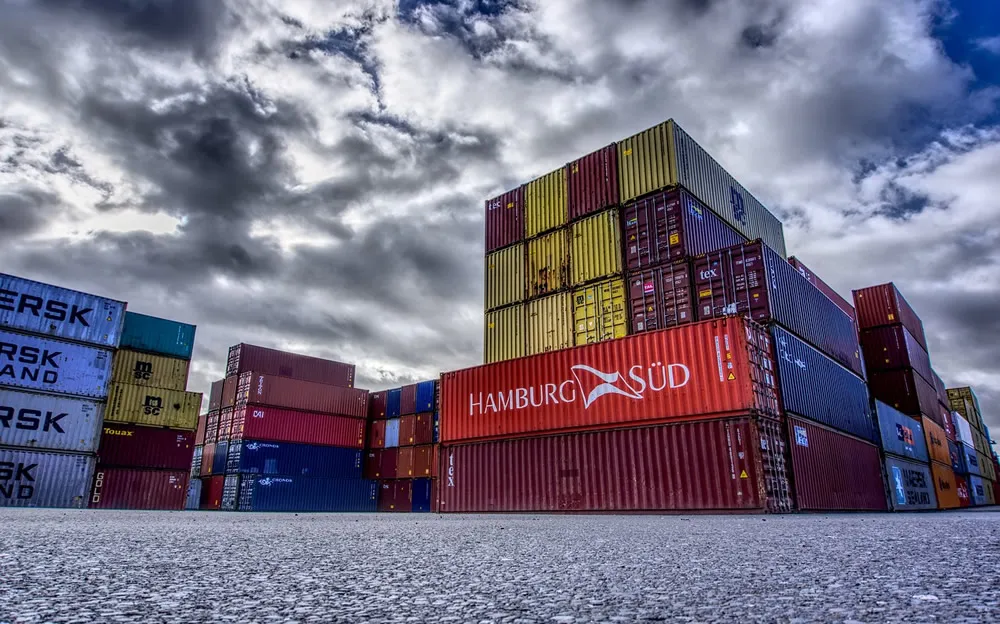
Simply put, "fake export, real agency" is an operational model that appears to be an export business but where the actual control lies with the agency. In a normal export business, the exporter should be fully responsible for the production, sales, and export process of the goods. However, in the context of "fake export, real agency," the so-called exporter might only be the nominal entity, with the real decision-making, operations, and even risk-bearing controlled by the agency.
For example, Mr. Kang originally planned to expand into overseas markets and reached a cooperation agreement with Zhongmaoda Company. Zhongmaoda Company intervened as an export agent, and on the surface, Mr. Kang company was the exporter. However, in reality, Zhongmaoda Company took the lead in all key aspects, from finding overseas clients and negotiating prices to arranging transportation. This resulted in Mr. Kang company, despite bearing the title of exporter, lacking substantive control over the entire business.
Reasons for the Emergence of "Fake Export, Real Agency"
- For some enterprises lacking international trade experience and resources, agents often possess established channels and professional teams. For instance, Mr. Kang small enterprise wanted to enter the international market but didn't know where to start. At this point, the agent, Zhongmaoda, promised to help them quickly achieve export business, which was very appealing to Mr. Kang company.
- From the agent's perspective, this model allows them to earn substantial agency fees while leveraging their strengths to integrate resources and expand their business scope. Zhongmaoda, by utilizing its accumulated overseas client resources and logistics channels, can generate considerable profits by acting as an agent for numerous companies' exports.
Risks and Problems of "Fake Export, Real Agency"
For nominal exporters, due to the lack of actual control over the business, they may face numerous risks. If the agent selects clients with poor credit in overseas markets, and payment delays or product quality disputes occur, the nominal exporter might suffer huge losses. For example, Zhongmaoda connected Mr. Kang company with an overseas client. However, after receiving the goods, the client was late in paying, and Mr. Kang company, due to its lack of understanding of the specific business details, encountered great difficulties in recovering the payment.
From the perspective of market order, "fake export, real agency" can disrupt normal trade order. Some agents, in pursuit of profit, may resort to unfair means, such as falsifying export data, which affects the accuracy of national import and export data statistics and policy-making.
How to Deal with "Fake Export, Real Agency"
When choosing agency cooperation, enterprises must thoroughly understand the agent's reputation and capabilities. This can be assessed through various channels, such as industry reputation and past cooperation cases. At the same time, the rights and obligations of both parties in the cooperation should be clarified, and detailed, standardized contracts should be signed to ensure that their own interests are protected. Relevant government departments should also strengthen supervision of such businesses, regulate market order, and crack down on improper agency practices.
The phenomenon of "fake export, real agency" has both practical roots for its existence in international trade and brings about quite a few risks and problems. Only through the joint efforts of enterprises and regulatory authorities can international trade develop on a healthier and more orderly track. It is hoped that through this article's discussion, it can spark more reflection on this phenomenon and collectively contribute to fostering a good trading environment.

Recent Comments (0) 0
Leave a Reply