When you order a pair of imported sneakers on an e-commerce platform, have you ever wondered what kind of "customs clearance test" they went through? From overseas factories to your shoe cabinet, there's a complex customs clearance process hidden in between. Today, we will lift this veil of mystery and take you through the entire chain of footwear import clearance.
I. Preliminary Preparation: Compliance Determines Success
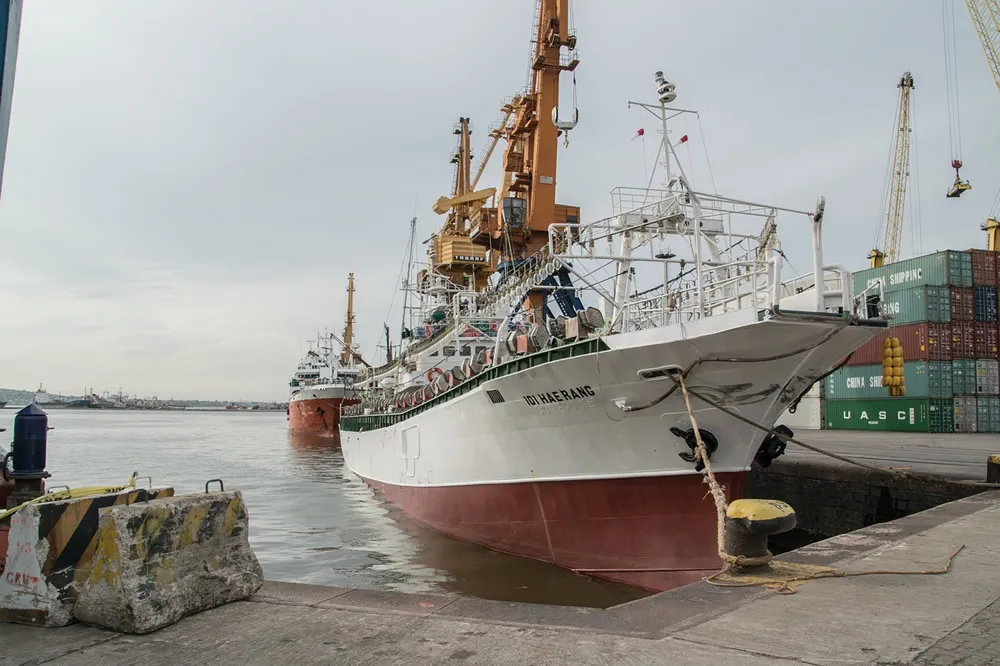
Mr. Teng recently acted as an agent for a batch of Italian handmade leather shoes, but they were detained during customs clearance. The problem was inaccurate material declaration – genuine leather was mistakenly labeled as artificial leather. The primary key to footwear import is to ensure absolute consistency between documents and physical goods:
- Certificate of Origin (must specify leather type)
- Packing List (quantity/material/unit price must match the invoice)
- Inspection Report (EU CE certification or US FDA standards)
- Brand Authorization Letter (to prevent infringement risks)
II. The Four Core Steps of Customs Clearance
STEP 1 Declaration: The customs HS code determines the tariff rate. For example, rubber-soled sneakers (HS code 6402) have a tariff of about 10%, while ski boots (HS code 6403) can reach 16%. Zhongmaoda customs experts advise: "The declared value should include freight + insurance premium. Declaring at a lower value may result in a threefold fine."
STEP 2 Inspection: Customs will randomly open and inspect boxes. Mr. Teng 200 pairs of canvas shoes were ordered for destruction and fined because the shoeboxes were printed with endangered (tortoiseshell) patterns. Common inspection focuses include:
- Sole material (whether it contains recycled rubber)
- Packaging labels (must have Chinese labels)
- Quarantine treatment (wooden pallets require fumigation certificates)
- Cross-border e-commerce (taxed at 70% of the taxable amount)
- Free trade agreements (e.g., zero tariff for ASEAN countries)
III. Pitfall Avoidance Guide: 5 Common Mistakes by Novices
1. Ignoring anti-dumping duties (some EU footwear incurs an additional 16.5%)
2. Confusing "samples" with "goods" (samples require declaration of "no commercial value")
3. Missing formaldehyde testing (children's shoe standard ≤ 75mg/kg)
4. Choosing the wrong transportation method (air freight has a 30% higher inspection rate than sea freight)
5. Clearing customs under a personal name (annual limit is only 50,000 yuan)
IV. Future Trends: Opportunities in Digital Customs Clearance
With the promotion of the "advance declaration" model, companies like Zhongmaoda have achieved 3-hour express customs clearance. Through blockchain traceability technology, the entire process of the shoes from raw materials to customs clearance can now be queried in real-time.
The next time you try on a new pair of shoes, think about this cross-border journey. If you have plans to import footwear, feel free to share your questions in the comments section – perhaps your question will be the subject of the next article.

Recent Comments (0) 0
Leave a Reply