"Precision instruments imported from Europe, the contract price was only 100,000, but we ended up paying an extra 20,000 upon arrival?" Mr. Jia frowned at the "transportation agent fee" on the invoice when picking up goods at Chongqing Lianglu Guoyuan Port recently. This is not an isolated case – as the construction of Chongqing's inland opening-up highland accelerates, import freight forwarding fees are becoming a blind spot for enterprise cost control. This article will uncover the mystery of this fee's composition and share practical optimization strategies.
I. Why Are Agent Fees Always Higher Than Expected?
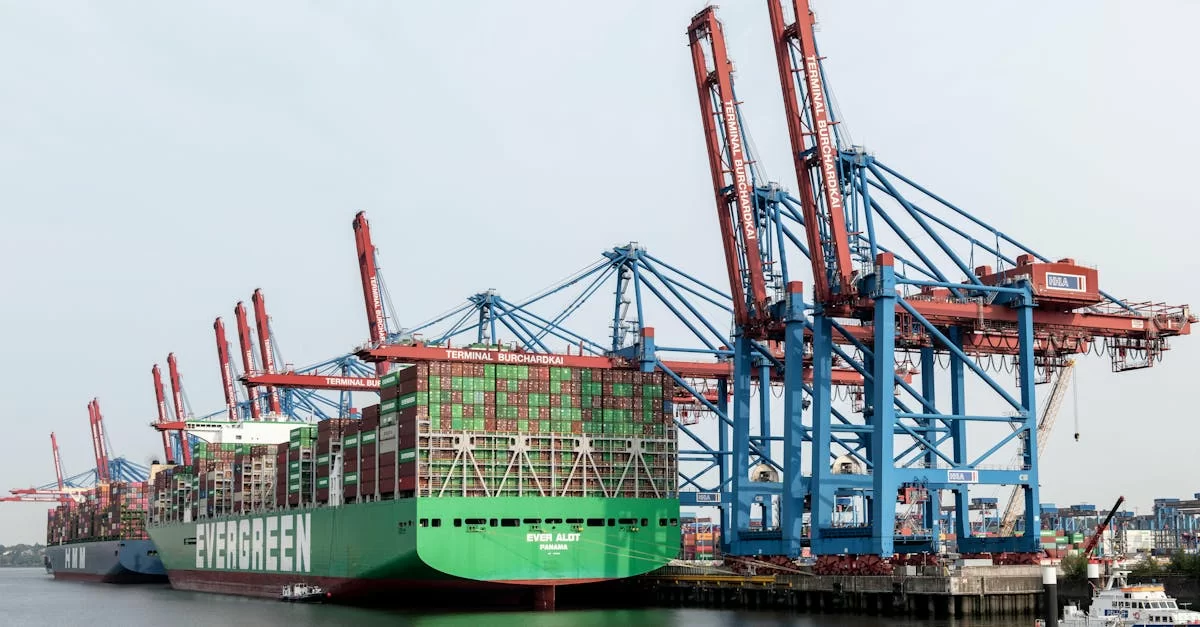
Transportation agent fees are not a single charge, but include four invisible modules:
- International Segment Surcharges: Such as fuel surcharges (BAF) and currency adjustment factors (CAF), accounting for about 15-30% of the sea freight.
- Port Operation Fees: Fees for container handling, storage, etc., at Chongqing Guoyuan Port/Tuanyiduan Station, which may double during peak seasons.
- Special Cargo Handling Fees: Refrigerated cargo incurs an additional temperature-controlled supervision fee of 2,000-5,000 yuan per box.
- Contingency Costs: Last year, the China-Europe Railway Express incurred container demurrage fees of up to $200 per container per day due to port congestion.
II. Special Variables in the Chongqing Market
Unlike coastal ports, Chongqing's import transportation has three unique factors:
- The connection costs between the China-Europe Railway Express and Yangtze River shipping may lead to repeated customs declarations.
- Mountainous terrain makes the drayage fees from the port to the factory 40% higher than in plain cities.
- The limited number of local customs brokers leads to widespread service premiums.
Mr. Jia case of importing auto parts is typical: after arriving at Chongqing Port via river-sea intermodal transport, she incurred an additional 3 days of port storage fees due to not pre-booking a container trailer.
III. Practical Money-Saving Guide
Based on Zhongmaoda's 15 years of agency experience, we have distilled three golden rules:
- Time Slot Selection: Signing contracts when shipping companies reset freight rates between March and April each year can secure the lowest BAF rates for the entire year.
- Route Optimization: Southeast Asian cargo transshipped via the Yangtze River tributary through Qinzhou Port saves 22% in costs compared to direct transshipment via Shanghai Port.
- Fee Splitting: Requesting the agency company to list customs clearance fees, inspection fees, and transportation fees separately can uncover 10-15% of unreasonable charges.
IV. Warning of Future Cost Changes
According to the latest policy trends from Chongqing Customs, attention should be paid to:
- New regulations for lithium battery transportation implemented from 2024 are expected to increase hazardous material handling fees by 30%.
- After the renovation of Guoyuan Port's smart terminal, the surcharge for night operations may be canceled.
- Increased utilization of RCEP certificates of origin can reduce certain tariff-related service fees.
The next time you receive a transportation agent invoice, consider asking three questions: Have you utilized Chongqing's multimodal transport advantages? Do all surcharges correspond to actual services? Are there better transport combination options? Welcome to share your cost control experience in the comment section, and we will select three readers to provide free agent fee audit services.

Recent Comments (0) 0
Leave a Reply