Hey, all you foreign trade experts and related professionals! Today, we're going to dive deep into the Beijing export agency customs declaration flowchart. This is crucial for the smooth progress of many of our export businesses, so let's take a look.
I. Preparation Stage of Export Agency Customs Declaration Process
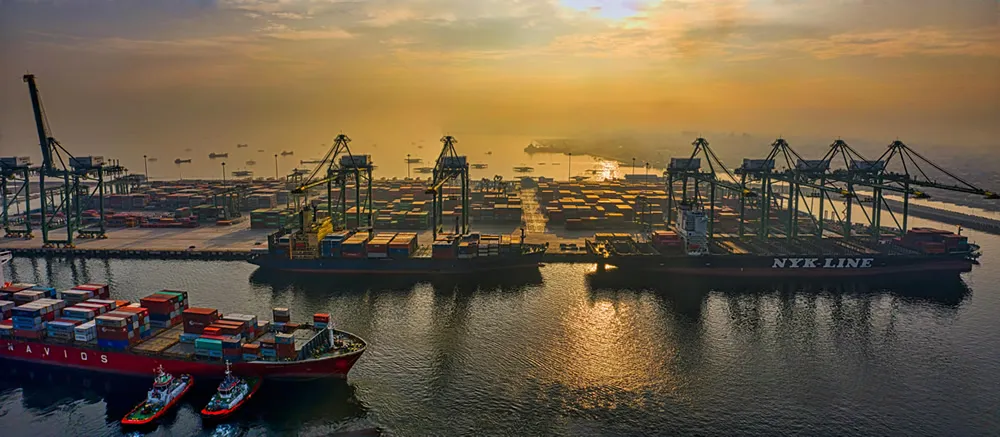
First, export enterprise like Mr. Li need to prepare all relevant documents. This includes, but is not limited to, commercial invoices, which detail key information such as the value and quantity of goods; packing lists, which clearly show the packaging status of the goods; and contract copies, which define the rights and obligations of both buyers and sellers. Ensure all these documents are accurate, as even a small error can cause significant trouble during the subsequent customs declaration process.
Second, accurate classification of export goods is essential. This is not as simple as it seems and requires determining the commodity code corresponding to the goods based on relevant customs regulations. Different codes imply different tax rates, supervision conditions, etc., so extreme care and caution are needed. Zhongmaoda has rich experience in this area and can help enterprises accurately classify goods and avoid unnecessary risks.
II. Formal Customs Declaration Process Stage
Once the preparation is complete, we enter the formal customs declaration stage. Step one, the customs broker will enter the customs declaration form information through the electronic port system. This requires the customs broker to be well-versed in the specifications for filling in each item, from the basic information of the goods to the transportation method, all of which must be truthfully and accurately entered. After entry, the system will perform an initial logical check, and if there are errors, it will prompt for modifications.
Step two, submit supporting documents. Upload the prepared commercial invoices, packing lists, contract copies, and other relevant documents to the system or submit them to customs personnel at the site as required. Customs will conduct a detailed review of these documents, verifying their authenticity, completeness, and consistency with the information on the customs declaration form.
Step three, customs inspection. For some goods, customs may decide to conduct an inspection based on risk assessment and other factors. In this case, the enterprise must cooperate with customs arrangements, transport the goods to the designated inspection site, and customs staff will verify the actual condition of the goods against the declared content, such as the quantity, specifications, and quality of the goods. If the inspection is passed, it's another step closer to smooth customs clearance.
III. Subsequent Follow-up Work
After the series of processes, if everything goes smoothly, customs will release the export goods. After release, enterprises can arrange for loading onto ships or planes for transportation. But it's not over yet; the customs declaration form needs to be archived. Organize and save all documents, customs declaration forms, and other materials from the entire customs declaration process for potential future review or audit needs. Zhongmaoda will also assist enterprises in this regard to ensure that the information is complete and easy to find.
Understanding the Beijing export agency customs declaration flowchart is truly important for those engaged in export business. It's like a clear map guiding our goods smoothly out of the country. It's advisable for everyone to carefully study this process, or communicate more with professional institutions like Zhongmaoda, to make our export business smoother and more efficient. You are also welcome to share your experiences or any issues encountered during the export agency customs declaration process in the comment section, so we can discuss and progress together!

Recent Comments (0) 0
Leave a Reply