“New to import and export trade, and the process alone makes your head spin?” This is a common concern for many foreign trade beginners. As an international trade hub, Beijing has made import and export agency services an efficient choice for businesses going global. This article will break down the complete import and export agency process in Beijing in the most straightforward language, helping you avoid 90% of common pitfalls.
Why Choose an Import and Export Agency?
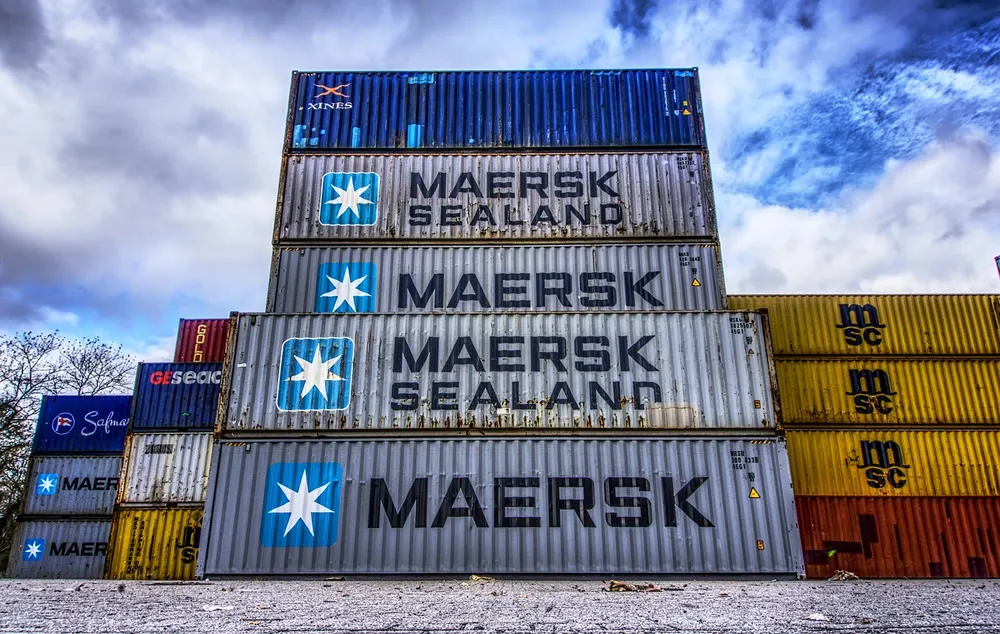
Mr. Zhang, who runs a tech company in Zhongguancun, received an overseas order for his independently developed smart devices last year. However, due to a faulty customs declaration document, his goods were detained at the port for two weeks, resulting in direct losses exceeding 100,000 yuan. This is precisely where the value of a professional agency lies:
- Cost Optimization: Consolidates logistics, customs declaration, and tax resources, saving over 30% compared to building an in-house team
- Risk Mitigation: Expertise in professional areas such as HS code rules and certificates of origin
- Efficiency Improvement: Electronic port system operations are 2-3 working days faster than self-handled by enterprises
Core Process of Beijing Import and Export Agency
Taking a typical service case from Zhongmaoda as an example, the complete process can be divided into three stages:
- Initial Preparation: Enterprises need to provide business licenses, import and export rights certificates, and detailed product parameters (additional documents are required for products involving 3C certification)
- Customs Clearance Execution: The agency completes commodity classification → prepares customs declaration forms → arranges inspection and quarantine → pays customs duties (The average customs clearance time in the Beijing customs district in 2023 has been shortened to 0.89 hours)
- Post-Clearance Management: Includes foreign exchange verification, export tax rebate application (current policies offer a maximum rebate of 13%), logistics tracking, etc.
Key Link Pitfall Avoidance Guide
Mr. Zhang foreign trade clothing company was once subject to administrative penalties by customs for misreporting commodity codes. These experiences are worth noting:
- Chemical products require advance preparation of MSDS safety data sheets
- Food contact products must pass FDA or EU 10/2011 testing
- Cross-border e-commerce requires differentiation of regulatory codes such as 1210/9610/9710
Special Reminder: The "Intelligent Image Review" system promoted by Beijing Customs since 2024 has achieved an accuracy of 98% in checking the consistency between declared product names and actual items.
How to Choose a Reliable Service Provider?
It is recommended to evaluate from three dimensions:
- Check for certification according to the national standard for customs brokerage service specifications (GB/T 37518-2019)
- Confirm their on-site service capabilities at major ports such as Capital Airport and Yizhuang Free Trade Zone
- Request recent case studies of similar product operations (e.g., medical devices require NMPA filing qualifications)
Actionable Advice: Your Next Step
Why not start with a self-assessment: Can you accurately state the customs VAT rate applicable to your company's products? If you hesitate, perhaps it's time to consider letting professionals handle professional matters. Welcome to share your foreign trade customs clearance stories in the comment section, or send a private message to get the latest customs clearance white paper for Beijing's various ports.

Recent Comments (0) 0
Leave a Reply