Mr. Lin stared at the mountain of goods piled up in the warehouse, his brow furrowed. This batch of precision instruments worth millions needed to arrive at the Port of Hamburg, Germany, within 72 hours, and his team hadn't even completed the customs declaration forms yet. "Find professionals to do professional things," a friend's words led him to call Zhongmaoda. Three days later, the goods were loaded onto the ship and departed on time. Behind this was a group of "international logistics operators" who are rarely mentioned yet are critically important – export freight forwarders.
I. Export Freight Forwarders: The "Invisible Bridge" of Globalized Trade
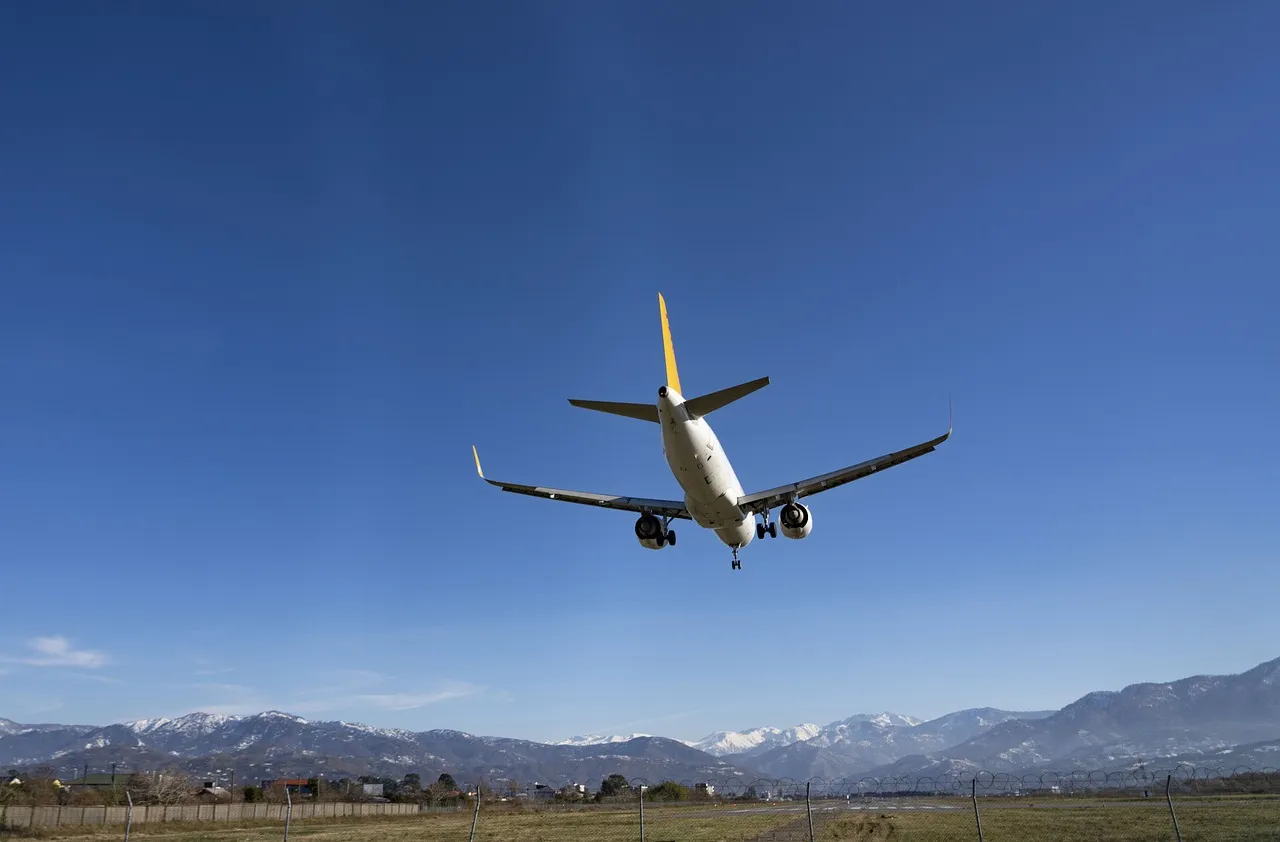
When you place an order for a foreign product on cross-border e-commerce, you might not realize: 90% of the journey from the factory to the port is completed by freight forwarders. This industry is like a capillary network, transporting "Made in China" to every corner of the globe:
- Customs Declaration and Clearance Experts: Handle professional documents such as HS codes and certificates of origin, avoiding the risk of "one incorrect declaration, a whole container seized."
- Transportation Solution Designers: Match optimal routes based on cargo characteristics (fragile/hazardous chemicals/cold chain), combining air freight/sea freight/China-Europe freight trains.
- Cost Control Masters: Help clients save 15%-30% in logistics costs through methods like LCL (Less than Container Load) and transshipment trade.
II. Three Golden Rules for Choosing a Freight Forwarder
Mr. Lin ceramic crafts were once half-broken upon arrival due to the agent's incorrect choice of transportation method. The "pitfall avoidance guide" shared by a senior consultant from Zhongmaoda is worth collecting:
- Rule 1: Verify Qualifications Check international certifications like NVOCC licenses and WCA membership; beware of "shell companies."
- Rule 2: Let Cases Speak for Themselves Request case studies of similar cargo operations, especially for special items (lithium batteries/artworks).
- Rule 3: Risk Contingency Plans Inquire about cargo damage compensation terms; reputable agents will proactively insure the entire shipment.
III. Industry Transformation Under the Digital Wave
The traditional "order-runner" model is being reshaped by technology: companies like Zhongmaoda have achieved full-process visual tracking, and through blockchain technology, even the temperature and humidity fluctuations of containers can now be pushed to customers' phones in real-time. What machines cannot replace is:
- The ability to handle emergencies during unexpected customs inspections.
- The "human touch wisdom" of leveraging years of accumulated route resources to secure cabin space.
- The industry insight to predict the impact of international situations on logistics.
IV. The Future is Here: Does Your Supply Chain Need an Upgrade?
As the RCEP agreement promotes zero tariffs in the Asia-Pacific, and as cross-border e-commerce small packages exceed 20 million pieces daily, every exporter should ask themselves: Has my logistics partner kept up with the times? Feel free to take a test:
If your goods have been detained for over 24 hours due to declaration issues, or if your logistics costs have increased by more than 10% in the past six months, it might be time to re-evaluate your agent cooperation model. After all, in the VUCA era, supply chain resilience is the vitality of an enterprise.
(Welcome to share your stories of cooperating with freight forwarders in the comment section. The top three most liked comments will receive the electronic version of the 2024 International Logistics Pitfall Avoidance Guide.)

Recent Comments (0) 0
Leave a Reply