When Mr. Gao first heard about "Zengcheng agency export," he was worrying about the backlog of inventory in his factory. "So, the threshold for foreign trade isn't as high as I imagined," this realization opened up a new world for him. In recent years, with the rise of cross-border e-commerce and the restructuring of global supply chains, a lightweight foreign trade model has been quietly emerging in the Pearl River Delta – through professional agency services, even startups can sell their products overseas.
Why Has Zengcheng Become a Hotbed for Agency Export?
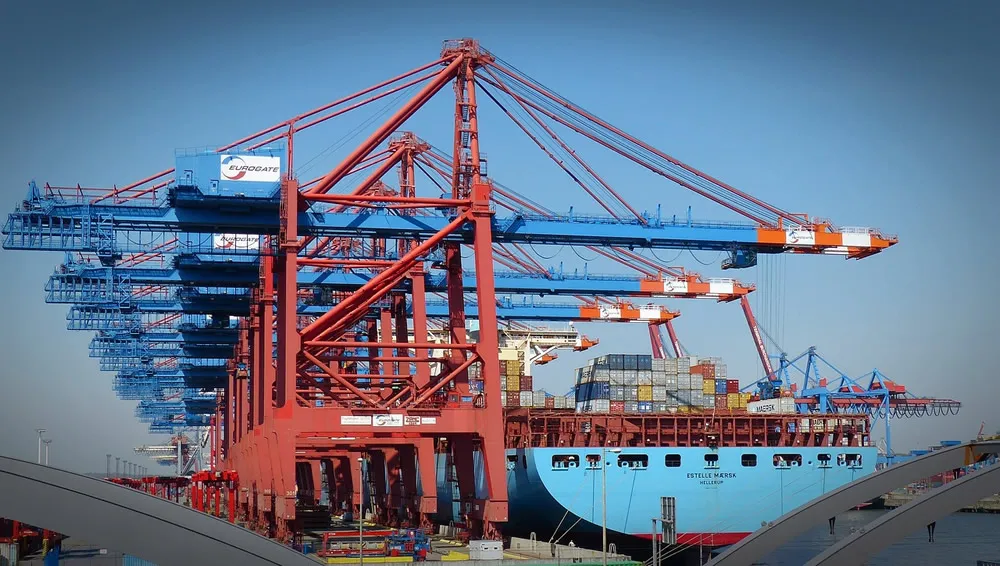
Zengcheng District, located in eastern Guangzhou, has gradually formed a comprehensive export service ecosystem with its unique locational advantages:
- Logistics Hub: The Xintang port and Guangzhou Baiyun Airport form an integrated land-air transportation network.
- Industrial Support: From clothing to electronic components, the local supply chain responds extremely quickly.
- Policy Benefits: The policies of the Cross-border E-commerce Comprehensive Pilot Zone reduce compliance costs.
Mr. Gao garment factory is one of the beneficiaries: "Through the agency services of Zhongmaoda, our small batch orders can also enjoy the logistics prices of bulk trade, and the difference in tax refund rates directly translates into profit."
The Three Core Values of Agency Export
Compared to traditional self-operated export, this model is solving the pain points of small and medium-sized enterprises:
- Lowered Capital Threshold: No need to apply for import and export rights separately, saving tens of thousands of yuan in qualification processing fees.
- Professionalized Risk Control: Processes such as letter of credit review and foreign exchange cancellation are fully managed by the agency.
- Flexible Supply Chain: Supports "fragmented orders" starting from 50 pieces, adapting to cross-border e-commerce trial order needs.
However, industry insiders remind: When choosing agency services, you should focus on inspecting their customs credit rating. AEO-certified enterprises can significantly improve customs clearance efficiency.
Have You Calculated These Hidden Costs Clearly?
Behind the seemingly beautiful cooperation, there are also points to note:
- Agency fees are usually charged at 0.8%-1.5% of the cargo value, which may not be cost-effective for long-term large orders.
- Brand going global requires prior agreement on intellectual property ownership.
- Special categories (such as cosmetics, medical devices) require additional certification.
The boss of a luggage factory shared his experience: "We established a complete export ledger through Zhongmaoda, and after two years, we successfully obtained independent import and export rights. This was a very good transitional solution."
The Future is Here: Your Global Expansion Plan Needs an Upgrade
With the deepening implementation of the RCEP agreement, the ASEAN market is generating astonishing incremental demand. Data from an agency in Zengcheng shows that in 2023, 32% of the smart small appliances exported through it flowed to emerging markets such as Vietnam and Thailand.
While you are anxious about the competitive domestic market, you might as well consider: That overseas customer you've never contacted might be waiting for your product. Starting with agency export might be the most reliable key to opening the door to globalization.
Is your company suitable for this model? Welcome to share your global expansion concerns or experiences in the comment section.

Recent Comments (0) 0
Leave a Reply