In today's globally integrated economy, many enterprises entertain the idea of engaging in import and export business. However, to legally conduct import and export trade, the issue of import and export rights must first be addressed. Simply put, import and export rights refer to an enterprise's entitlement to independently carry out the import or export of goods or technology. It is not a single certificate but rather a series of approvals and registration procedures. This is akin to the key that opens the door to international markets for an enterprise; without it, the enterprise will find it difficult to move freely on the international business stage.
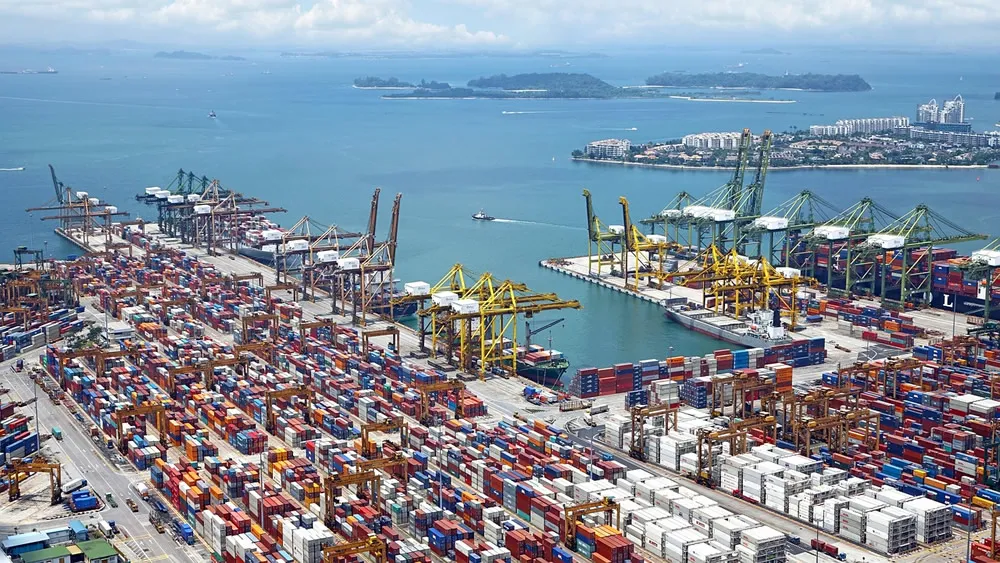
Which Enterprises Need to Apply for Import and Export Rights
Generally, enterprises intending to engage in foreign trade, including manufacturing enterprises, trading enterprises, etc., all need to apply for import and export rights. For instance, Mr. Mei manufacturing enterprise, whose products have achieved excellent results in the domestic market, plans to export its products abroad to further expand its market. In this scenario, it must apply for import and export rights. Alternatively, Mr. Mei trading company, wanting to import some specialty goods from abroad for sale domestically, also cannot operate without import and export rights.
Procedures for Applying for Import and Export Rights
Applying for import and export rights generally involves the following steps:
- First is the amendment of business registration. If the enterprise's business license does not include "import and export of goods" or "import and export of technology" in its scope of business, it will need to amend its business scope first. This step is like expanding the boundaries for the enterprise's development plan, laying the foundation for subsequent import and export operations.
- Next is the registration and filing for foreign trade operators. Enterprises need to log into the Ministry of Commerce's unified business system platform, fill out the foreign trade operator registration and filing form online, and submit relevant electronic materials to complete the registration. This step is equivalent to the enterprise declaring its intention and determination to engage in import and export business to the relevant national authorities.
- Then comes customs registration. Enterprises must complete customs registration procedures through the "China International Trade Single Window" standard edition or the "Internet + Customs" integrated online service platform to obtain a customs code. Customs acts like the "gatekeeper" of import and export trade; only after registration with them can enterprises smoothly conduct customs clearance for goods import and export.
- Following this is the application for an E-port card. Enterprises need to visit the local E-port data sub-center to apply for a legal person card and an operator card. These two cards are like the enterprise's "identification cards" at the E-port, used for various business operations on the E-port platform.
- Additionally, there are inspection and quarantine registration (depending on actual business needs), and foreign exchange administration registration, among others. These registration procedures regulate the enterprise's import and export business from different aspects, ensuring the compliance of trade activities.
Points to Note for Applying for Import and Export Rights
There are several points to note during the application process for import and export rights. It is crucial to ensure that all documents are complete and accurate. For example, if materials submitted during the business registration amendment are missing or incorrect, it could lead to approval delays. When handling various registration procedures, strict adherence to the prescribed processes and timelines is necessary. Simultaneously, enterprises should focus on personnel training, especially for those involved in import and export operations, to ensure they are familiar with relevant policies, regulations, and business procedures to avoid unnecessary risks caused by operational errors.
Although the process of applying for import and export rights involves many steps, it is an indispensable one for enterprises intending to expand into international markets. As long as enterprises prepare diligently and operate in accordance with regulations, they can smoothly obtain this "key" to unlock international markets and ride the waves of global trade.

Recent Comments (0) 0
Leave a Reply