On the grand stage of global trade, toy re-export trade is quietly unfolding an exciting chapter. Perhaps you've wondered whether there's a different journey behind the toys that travel across oceans to reach you? Today, let's together unveil the mystery of toy re-export trade.
What is Toy Re-export Trade?

Re-export trade, simply put, refers to the buying and selling of imported and exported goods in international trade that does not occur directly between the producing and consuming countries, but is conducted via a third country. For the toy industry, toy re-export trade means toy products are exported from the producing country to a third country, and then resold from that third country to the final consuming country.
Taking Zhongmaoda as an example, suppose China produces a batch of toys which, for various reasons, such as trade barriers in the destination country, cannot be directly exported to the United States. In this case, the toys can first be exported to a third country like Malaysia, and after some simple processing or repackaging in the third country, they are then exported to the United States. This cleverly bypasses trade restrictions and successfully delivers the toys to the U.S. market.
Advantages of Toy Re-export Trade
First, avoiding trade barriers is a significant advantage of toy re-export trade. In recent years, many countries, to protect their domestic toy industries, have successively introduced various trade protection policies, such as high tariffs and anti-dumping duties. Through re-export trade, by utilizing the origin advantages of a third country, the increased costs resulting from these trade barriers can be effectively reduced.
Second, optimizing logistics costs. Some third countries possess superior geographical locations and developed logistics infrastructure. By first transshipping toys to these countries and then distributing them globally, logistics resources can be integrated, economies of scale achieved, and unit transportation costs reduced. For example, Singapore, as an international shipping hub, has unique advantages in logistics and distribution.
Furthermore, expanding market channels. By establishing trade nodes in third countries, businesses can reach more buyers from different regions, expand the sales scope of toys, and tap into potential markets.
Challenges Faced by Toy Re-export Trade
Although toy re-export trade offers clear advantages, it is not without its challenges. Policy risks are foremost. Trade policies in third countries can change at any time, such as adjustments to rules of origin or changes in import/export restrictions, all of which can affect the smooth operation of re-export trade.
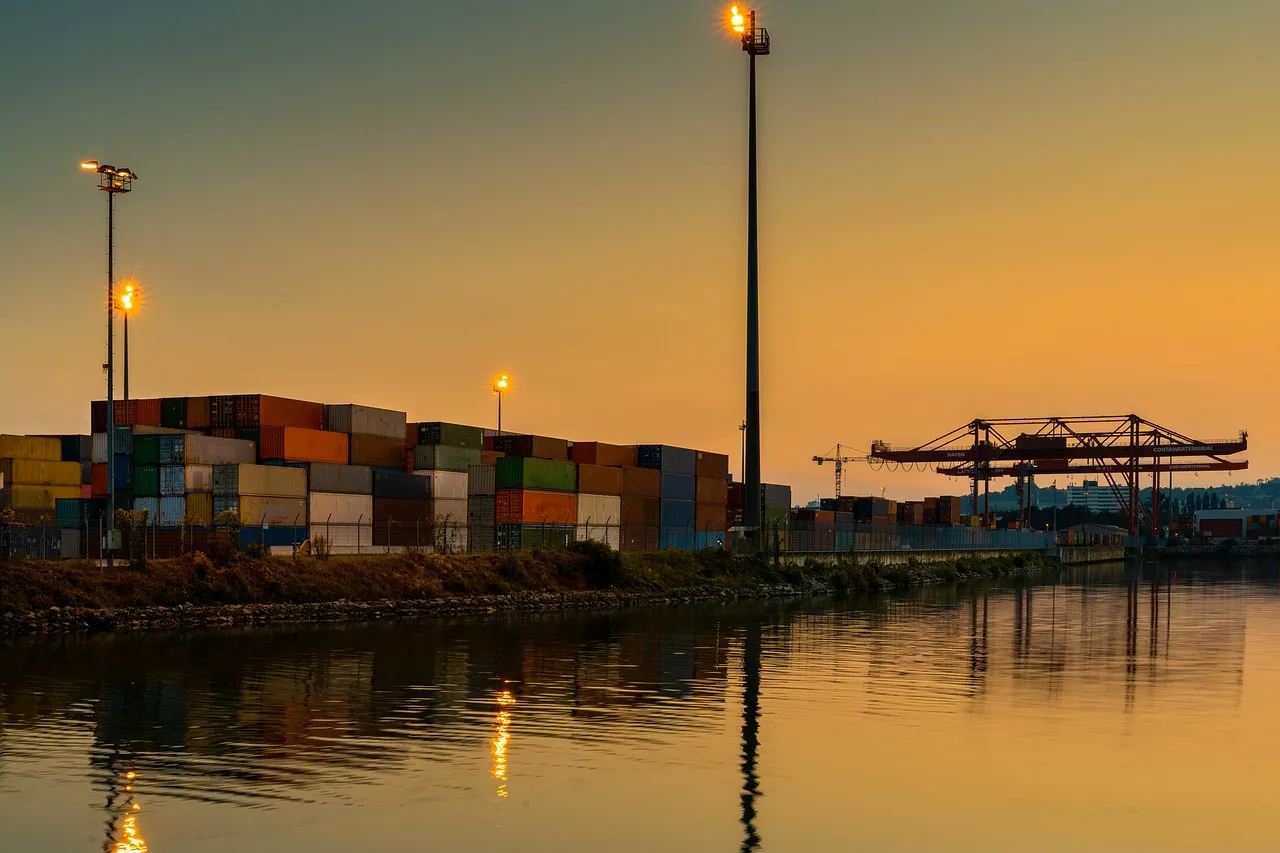
Supply chain management becomes more complex. With transportation, warehousing, and processing stages spanning multiple countries and regions, problems in any single stage, such as transport delays or cargo damage, can impact the efficiency and cost of the entire supply chain.
Reputational risks also cannot be ignored. If a partner in a third country has integrity issues, such as privately altering cargo information or delaying delivery, it can severely damage the reputation of the toy export enterprise.
How to Succeed in Toy Re-export Trade
To achieve success in toy re-export trade, choosing reliable third-country partners is crucial. A comprehensive evaluation of the partner's reputation, strength, and operational history is required. At the same time, closely monitor the dynamics of trade policies in various countries and prepare contingency strategies in advance.
In terms of supply chain management, utilize modern information technology to achieve real-time monitoring of cargo transportation, warehousing, and other links, ensuring the efficient and stable operation of the supply chain.
Toy re-export trade is full of opportunities and challenges. For toy enterprises, a deep understanding and rational application of the re-export trade model is expected to open up broader horizons in the global market. We hope practitioners will actively explore, seize this unique business opportunity, and ride the waves of toy re-export trade.

Recent Comments (0) 0
Leave a Reply