Mention the Caribbean Sea, and most people envision azure waters, white sandy beaches, and a holiday paradise. But behind this picturesque maritime region lies a little-known business secret—Caribbean re-export trade. This unique trade model is becoming an 'invisible weapon' for an increasing number of enterprises to optimize their supply chains and reduce costs. Today, let's unveil its mystery.
Why Choose Caribbean Re-export Trade?
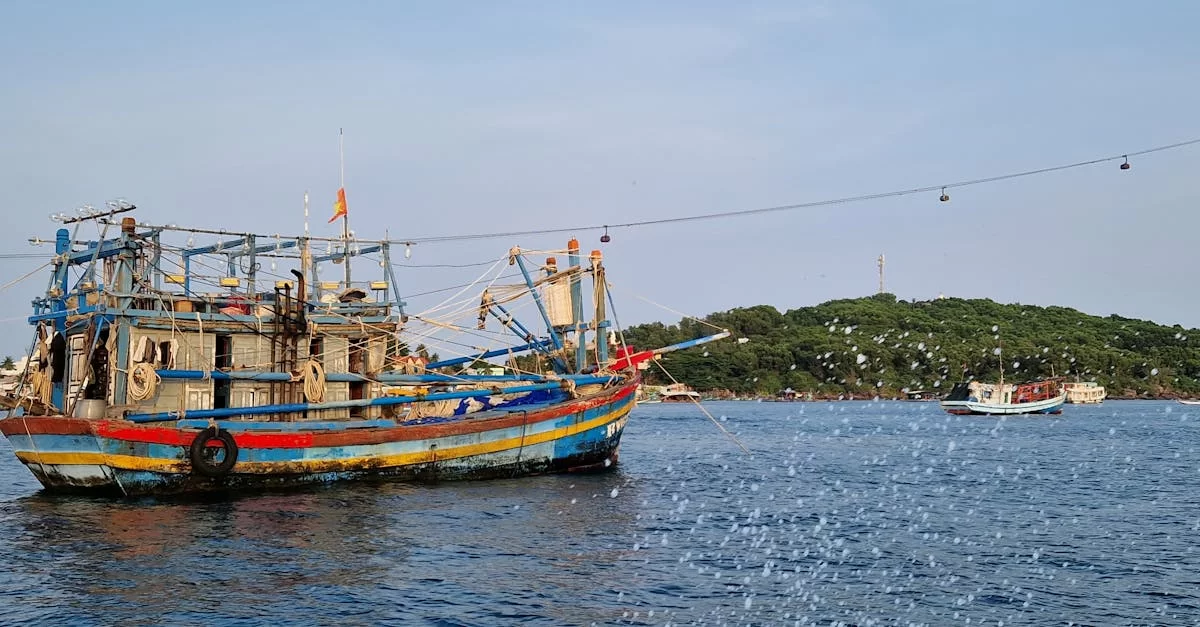
The Caribbean region, due to its unique geographical location and policy advantages, has become an ideal choice for re-export trade. It is not only a hub connecting North and South America but also boasts numerous trade facilitation policies. Mr. Ye, a businessman with many years of experience in international trade, shared: "By transshipping through Caribbean ports, our logistics costs were reduced by 15%, and customs clearance was much faster than traditional routes."
- Tariff Advantages: Many Caribbean countries have preferential trade agreements with major economies
- Logistics Efficiency: Modern port facilities and convenient shipping networks
- Financial Convenience: Relaxed foreign exchange controls and mature offshore financial services
Operating Model of Caribbean Re-export Trade
A typical Caribbean re-export trade process involves three key stages: goods entry, simple processing or repackaging, and re-export to the final destination. Mr. Ye company successfully avoided high anti-dumping duties in certain countries through this method. "We only needed to complete labeling and sub-packaging in the free trade zone, and the products acquired a new origin status," she explained.
It's worth noting that this trade method is entirely legal and compliant, provided that:
- Strictly adhere to international trade rules
- Retain all trade documents completely
- Choose reputable local partners
Potential Challenges and Countermeasures
Despite its obvious advantages, Caribbean re-export trade also faces some challenges. Cultural differences, language barriers, and changes in local regulations can all affect the smooth operation of business. An industry insider, who wished to remain anonymous, suggested: "It's best to hire consultants familiar with the local market and simultaneously establish a diversified transshipment network, not putting all your eggs in one basket."
Furthermore, as international regulations become stricter, compliance risks are also rising. Businesses need to pay special attention to:
- Regularly review trade compliance
- Stay informed about updates to international sanctions lists
- Ensure all transaction documents are authentic and complete
Future Outlook: Opportunities and Reflections
Against the backdrop of global supply chain restructuring, the value of Caribbean re-export trade will be further highlighted. However, will this become a long-term solution or merely a temporary expedient during a transitional period? Each enterprise needs to make judgments based on its specific circumstances.
Have you considered leveraging Caribbean re-export trade to optimize your international business? Feel free to share your insights and experiences in the comments section. Perhaps one of your ideas could help other readers discover new business approaches.

Recent Comments (0) 0
Leave a Reply