As the morning mist over the Lijiang River had not yet dispersed, the hum of sewing machines already echoed in the workshops of an industrial park in Guilin. This city, famous for its picturesque landscapes, is quietly becoming an invisible hub for ASEAN garment trade. According to industry data, **Guilin's apparel import and export annual growth rate has exceeded 15% for five consecutive years**, and this is inseparable from the crucial support of professional agency companies.
Why do businesses need professional agencies?
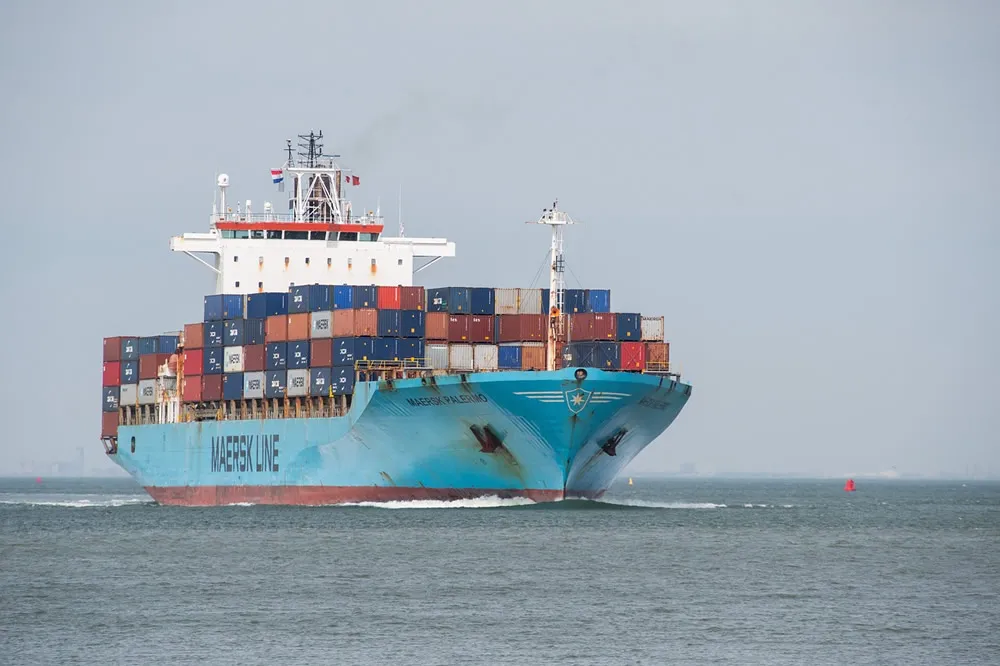
Mr. Zhan knitting factory once had a container worth 2 million seized at the Port of Rotterdam due to unfamiliarity with EU REACH regulations. "We thought as long as the quality was good, it would be fine," he said with a wry smile, "only to find out later that the lead content standards for children's clothing buttons change annually." This is precisely where the value of a professional agency lies:
- Regulatory Warnings: Real-time updates on technical trade barriers in 43 major global markets
- Cost Optimization: 30% tariff reduction for ASEAN customers through certificate of origin applications
- Risk Avoidance: 92% lower error rate in letter of credit document review compared to self-operation by enterprises
Three Core Capabilities of Agency Services
Mr. Zhan cross-border e-commerce team, using Zhongmao-da's "Intelligent Customs Clearance System", compressed the customs clearance time for importing Bangladeshi cotton yarn from 72 hours to 8 hours. This is thanks to the three major systems built by modern agency companies:
- Digital Logistics Network: Integrating priority channels in 12 international ports
- Flexible Supply Chain: Supporting small-batch, quick-response models with minimum orders of 50 pieces
- Compliance Database: Intelligent matching of HS codes for 6800 types of textile products
Breakthrough Point for Future Competition
As the RCEP agreement deepens, Guilin enterprises are facing direct competition from Vietnamese and Indonesian counterparts. An agency company developed a "carbon footprint traceability system", which helped local ramie apparel obtain EU green tariff reductions. This innovation of **transforming ecological advantages into trade advantages**, could be the next industry breakthrough.
When tourists on Yangshuo West Street select ethnic-style clothing, they might not realize that these embroidered pieces could appear in Tokyo's buyer shops tomorrow. In this era of "faster fast fashion", are you ready to leverage the wings of a professional agency? Feel free to share your foreign trade challenges or success stories in the comments section.

Recent Comments (0) 0
Leave a Reply