In the wave of fashion, imported apparel, with its unique designs and styles, continuously impacts the domestic market. However, behind the seemingly glamorous imported apparel, agent import customs clearance for clothing is an unavoidable hurdle. What intricacies does it involve, and what challenges might one encounter? Let us delve into it together.
Understanding the Customs Clearance Process
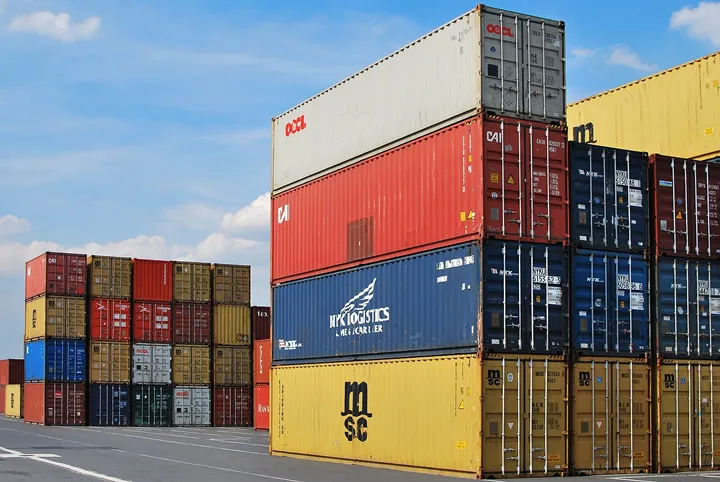
For agent import customs clearance of apparel, the first step is to declare to customs after the goods arrive at the port. This is not a simple submission of information; the declared content must be accurate, including the brand, style, material, quantity, and value of the apparel. Taking Mr. Teng agent import of a batch of European brand apparel as an example, if the material of one dress, which is a silk blend, is misdeclared, it could lead to customs clearance being obstructed.
Next is the inspection phase. Customs will conduct a physical inspection of the goods to confirm whether the declared information matches the actual goods. This requires importers to ensure consistency between the goods and documents during packing. Sometimes, even subtle discrepancies, such as ingredient labels not matching actual test results, can trigger inspection issues.
Paying duties and taxes is also a crucial step. Apparel imports involve various duties and taxes, such as customs duties and VAT, with rates varying based on the apparel's category, material, etc. For example, Mr. Teng agent import of a batch of cotton T-shirts and another batch of wool coats would have significantly different corresponding tax rates. Accurate calculation and timely payment of duties and taxes are essential to ensure the smooth progress of the customs clearance process.
Common Problems and Solutions
Incomplete documentation is a relatively common problem. For example, a missing Certificate of Origin might affect the applicability of preferential tariff policies. The solution is to communicate thoroughly with the supplier before import to ensure all necessary documents are provided promptly and accurately.
Incorrect commodity classification also cannot be overlooked. Different categories of apparel have different regulatory requirements and tax rates. This requires customs clearance agents to possess professional knowledge in commodity classification; if necessary, they can apply for pre-classification with customs to avoid overpayment or underpayment of duties and taxes, or even customs clearance delays, due to incorrect classification.
Furthermore, under the pandemic, health and quarantine requirements are constantly changing. Imported apparel must comply with relevant health standards and provide corresponding quarantine certificates. Importers and agents must constantly monitor policy changes and prepare in advance.
The Importance of Choosing a Professional Agent
For agent import customs clearance of apparel, choosing a professional agency is crucial. Professional companies like Zhongmaoda possess extensive experience and a professional team, familiar with the customs clearance requirements for various types of apparel. They can make accurate declarations, effectively avoiding customs clearance problems caused by operational errors.
Furthermore, professional agency companies can provide one-stop services, from pre-shipment consultation to post-clearance delivery, ensuring proper arrangements throughout. This not only saves importers' time and effort but also significantly improves customs clearance efficiency, allowing imported apparel to enter the market faster and seize business opportunities.
In summary, while agent import customs clearance for apparel is complex, by mastering the correct methods and choosing a reliable agent, customs clearance can be successfully completed, allowing fashion trends to flow smoothly into the domestic market without hindrance. If you still have questions regarding imported apparel customs clearance, feel free to leave a comment for discussion; you might find new insights from shared experiences.

Recent Comments (0) 0
Leave a Reply