Have you ever been troubled by the complex procedures of import and export business? When Mr. Mei recently took over the company's foreign trade business, he alone made three mistakes filling out customs declarations; Mr. Mei cross-border e-commerce team, unfamiliar with tax rebate policies, needlessly lost hundreds of thousands in profit. Handling import and export may seem simple, but it actually hides many intricacies. This article will break down key points of the entire process for you, helping you avoid those "million-dollar" pitfalls.
I. Three Core Elements of Handling Import and Export
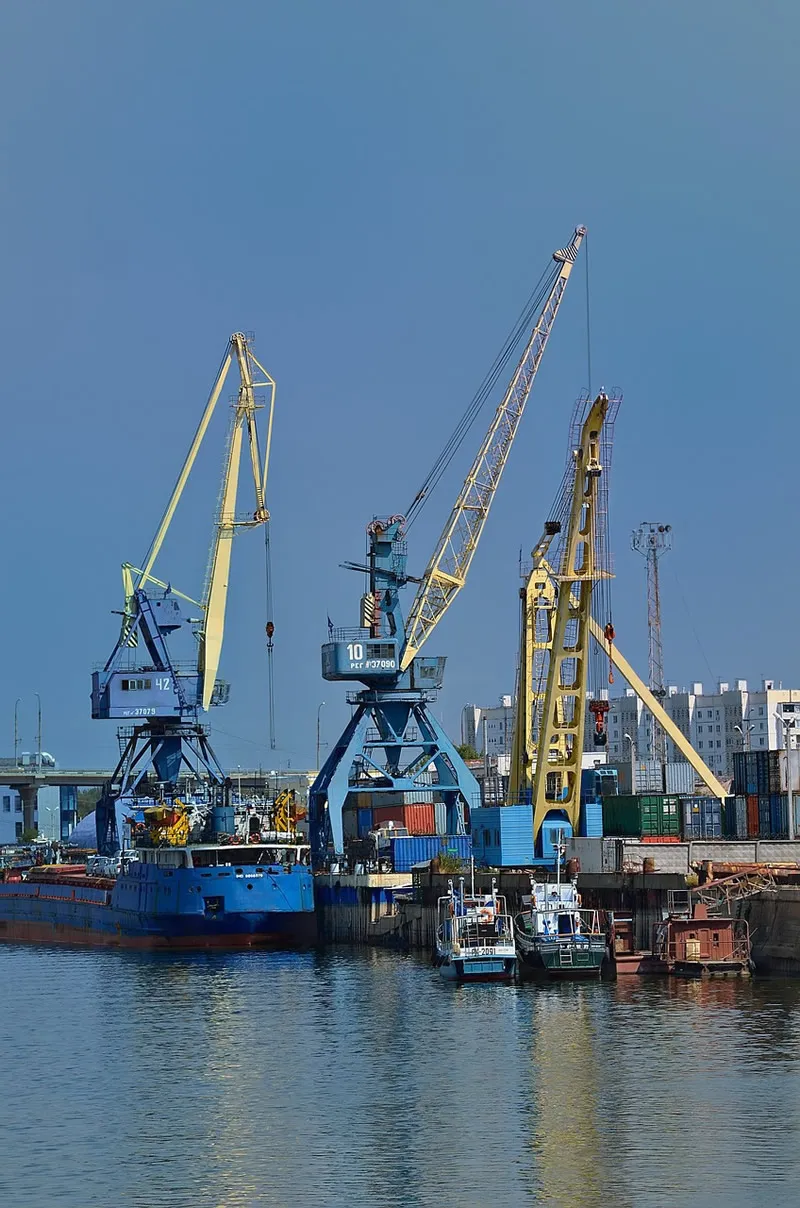
Qualification Preparation is the first step. Enterprises need to complete basic procedures such as customs registration, application for electronic port cards, and registration with the foreign exchange administration. In a certain random inspection, approximately 37% of enterprises had their goods temporarily detained due to incomplete qualifications.
- Customs Registration: usually takes 5-7 working days
- Foreign Exchange Account: distinguishes between current account and capital account
- Tax Registration: export tax rebate qualification requires separate application
II. Three Major Pitfalls in Customs Clearance Procedures
Zhongmaoda experts found in their 2023 case review:
- Commodity code error rate as high as 42%
- Missing certificates of origin led to overpayment of customs duties
- Unfumigated wooden packaging led to the entire container being returned
It is recommended to use customs pre-classification services, which can save 2-3 days of inspection time per declaration. Special commodities such as medical devices also require an import license.
III. Hidden Techniques for Cost Control
Freight and customs duties often account for more than 30% of the cargo value. Analysis through Zhongmaoda's intelligent system revealed:
- Choosing FTA (Free Trade Agreement) tariff rates can reduce customs duties by up to 90%
- The "advance declaration" model compresses warehousing costs by 50%
- Consolidated tax payment can alleviate financial pressure

A certain enterprise saved over 2 million yuan in customs duties annually by optimizing declaration elements.
IV. Revolutionary Changes Brought by Digital Tools
Traditional paper document processing takes 7-15 days, while electronic customs clearance can be completed in as fast as 2 hours. However, note that:
- The single window needs to be integrated with an ERP system
- Blockchain-based evidence has legal effect
- AI document review accuracy reaches 98.6%
Action Guide: Your Next Steps
Now open your computer and do three things: 1) Check if your enterprise's qualifications are still valid; 2) Download the latest version of the Customs Commodity Classification Table; 3) Schedule a professional consultant for a process diagnosis. What thorny problems have you encountered during the import and export process? Feel free to share your practical experience in the comments section.

Recent Comments (0) 0
Leave a Reply