Amidst the globalized business wave, import trade is becoming increasingly frequent, and the import customs clearance process is a crucial link for goods to smoothly enter the domestic market. Many people are unfamiliar with and curious about the import customs clearance process. Today, let's delve into the import customs clearance process together and unveil its mysteries.
Pre-import Preparations
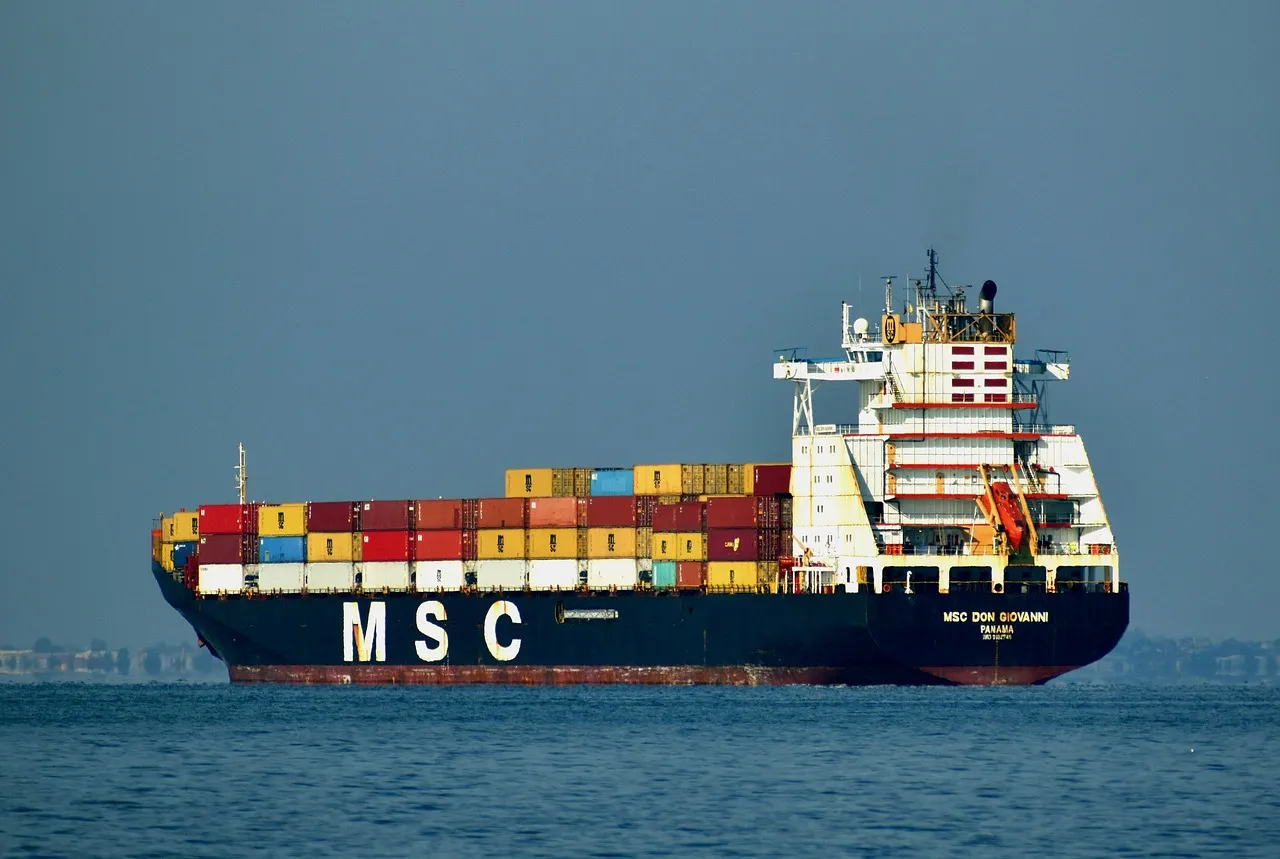
The first step in import customs clearance is to make thorough preparations before the goods are imported. First, the importer needs to sign a trade contract with the foreign supplier, clearly defining key terms such as the goods' specifications, quantity, price, and delivery date. At the same time, it's essential to understand the regulatory requirements for the imported goods; different products may be subject to different regulatory requirements. For example, some food items may require an import food hygiene license, and specific electromechanical products might need relevant certifications. This step is like drawing a blueprint for a house; the more detailed the plan, the smoother the subsequent process will be.
Cargo Transportation and Document Preparation
After the contract is signed, the goods begin transportation. During transit, the preparation of relevant documents is also crucial. The bill of lading, commercial invoice, and packing list are essential basic documents. The bill of lading serves as proof of cargo ownership, the commercial invoice details the transaction information of the goods, and the packing list specifies the packaging situation of the goods. Furthermore, depending on the characteristics of the goods and regulatory requirements, other documents such as a certificate of origin and a quality inspection certificate may also be required. These documents are like the goods' 'identity cards,' providing necessary information support for customs clearance.
Declaration and Document Review
Upon arrival of the goods at the port of destination, the importer or their agent must submit a declaration to customs. This is a core part of the customs clearance process. During declaration, the customs declaration form must be accurately filled out, and detailed information about the goods must be truthfully declared. Customs will review the submitted documents, primarily examining their completeness and accuracy, as well as whether the goods comply with relevant laws, regulations, and policy requirements. This is like a strict examination; even a small error could lead to a failed declaration, requiring resubmission or supplementary materials.
Tax and Fee Payment
After customs review and approval, the relevant taxes and fees must be paid as required. Imported goods generally incur customs duties and value-added tax (VAT), and some commodities may also be subject to consumption tax. Taxes and fees are calculated based on the dutiable value of the goods and the corresponding tax rates. The dutiable value is usually the CIF (Cost, Insurance, and Freight) price of the goods, and the tax rate is determined by the goods' HS code. Timely and accurate payment of taxes and fees is an important prerequisite for the smooth release of goods.
Inspection and Release
Customs will inspect goods when necessary. The purpose of inspection is to verify whether the goods match the declared contents and to check for smuggling, violations, or other irregularities. Inspection methods include external inspection, unboxing inspection, etc. If the goods are found to be compliant after inspection, customs will grant release. Once the goods are released, the importer can arrange for pickup and transport them to their destination, completing the entire import customs clearance process.
Although the import customs clearance process is complex, it can be completed smoothly by planning ahead, preparing relevant documents, and strictly following regulations. Importers are advised to review the process before each import to ensure no omissions occur at any stage. We hope this article provides everyone with a clearer understanding of the import customs clearance process, leading to smooth sailing in import trade.

Recent Comments (0) 0
Leave a Reply