On the global trade stage, import and export business is like a complex and magnificent dance. For those new to this field, understanding the process is the key to taking successful steps. Import and export business not only concerns the cross-border movement of goods but also involves a series of rigorous and detailed procedures.
The first step is preliminary preparation. To conduct import and export business, enterprises must possess legal operating qualifications. This is akin to an actor needing an admission ticket to take the stage. Enterprises must register with the commerce department to obtain import and export operating rights. At the same time, they also need to go through registration procedures with the customs, becoming a "certified actor" for customs supervision of their import and export activities. For example, when Mr. Jia company planned to expand into overseas markets, it first completed these fundamental steps, laying the foundation for subsequent import and export business.
Order Negotiation and Contract Signing: Agreements on the Dance Floor
With the admission qualification, the next step is to find partners in the global market, the "dance floor." Through various channels, such as exhibitions and online platforms, import and export parties engage in order negotiations. During this process, like the tacit understanding and coordination between dancers, both parties must fully communicate and negotiate on key elements such as the quality, quantity, price, and delivery date of the goods.
Once an agreement is reached, an import and export contract is signed. The contract is the rulebook for this trade dance, clarifying the rights and obligations of both parties. The contract must specify the goods' specifications, packaging, transportation methods, payment methods, and other details to avoid potential disputes later. For instance, when Mr. Jia negotiated a clothing export order with overseas clients, she clarified the fabric composition, color and size, and packaging details of the clothing in the contract to ensure a smooth transaction.
Goods Preparation and Inspection: Meticulously Polishing Dance Moves
After the contract is signed, the exporter must prepare the goods according to the contract requirements. This is like a dancer meticulously preparing costumes and props for a performance, ensuring every detail meets the requirements. Simultaneously, many countries and regions have strict quality and safety standards for imported goods, so the goods often require inspection and quarantine.
Inspection and quarantine agencies will conduct sampling or full inspections of the goods. They will be released only after passing. For example, when a batch of food is exported, it must undergo strict inspection to ensure it complies with the food safety regulations of the importing country. Only after passing inspection and being affixed with the corresponding mark can it embark on its export journey.
Transportation and Customs Declaration: Key Dance Steps on the Stage
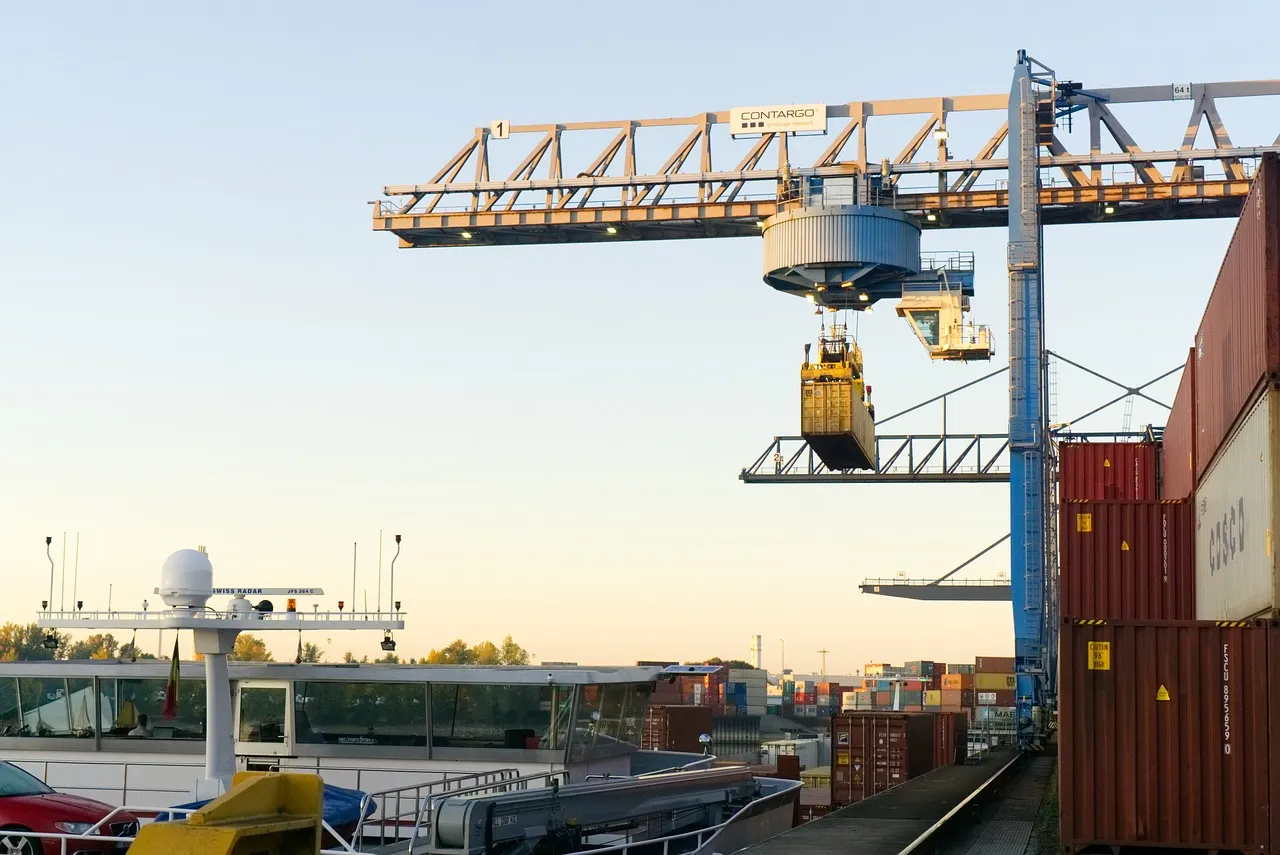
Once the goods are prepared, the appropriate mode of transportation must be selected. Common transportation methods include sea, air, and land transport, each with its advantages and disadvantages. The choice depends on factors such as the nature of the goods and the delivery deadline. Sea transport is cost-effective but relatively slow; air transport is fast but more expensive.
While the goods are in transit, customs declaration is also crucial. Customs declaration refers to the act of consignors and consignees of import and export goods, heads of inbound and outbound transport vehicles, etc., declaring to the customs and presenting prescribed documents and certificates to request customs to process the entry and exit procedures for the goods. Accurate cargo information, commercial invoices, packing lists, and other documents must be provided for customs declaration. The customs will release the goods only after reviewing and confirming their accuracy. This step is like a critical dance move; any slight error can affect the entire trade process.
Foreign Exchange Settlement and Tax Refund: The Harvest at the Curtain Call
Once the goods arrive at their destination smoothly, the importer pays for the goods, and the exporter settles the foreign exchange, converting foreign currency into the domestic currency. For exporting enterprises, there is also an important task—tax refund. To encourage exports, the state implements a tax refund policy for some exported goods. Enterprises can apply for tax refunds by submitting relevant materials according to regulations, which is also an important way for enterprises to reduce costs and increase profits.
Although the import and export process is complex, as long as the key points of each step are grasped, one can dance gracefully on the global trade stage. It is hoped that more enterprises will gain a deep understanding of these processes, actively participate in international trade, and expand broader market space.

Recent Comments (0) 0
Leave a Reply