When Mr. Zeng was grabbing a lipstick from a Chinese brand at a duty-free shop in Seoul, she had no idea that the product, priced at $28, cost less than $5 to produce. The $23 price premium is precisely the "golden track" of the makeup export agency industry.
Why Does the Global Shelf Need Chinese Makeup?
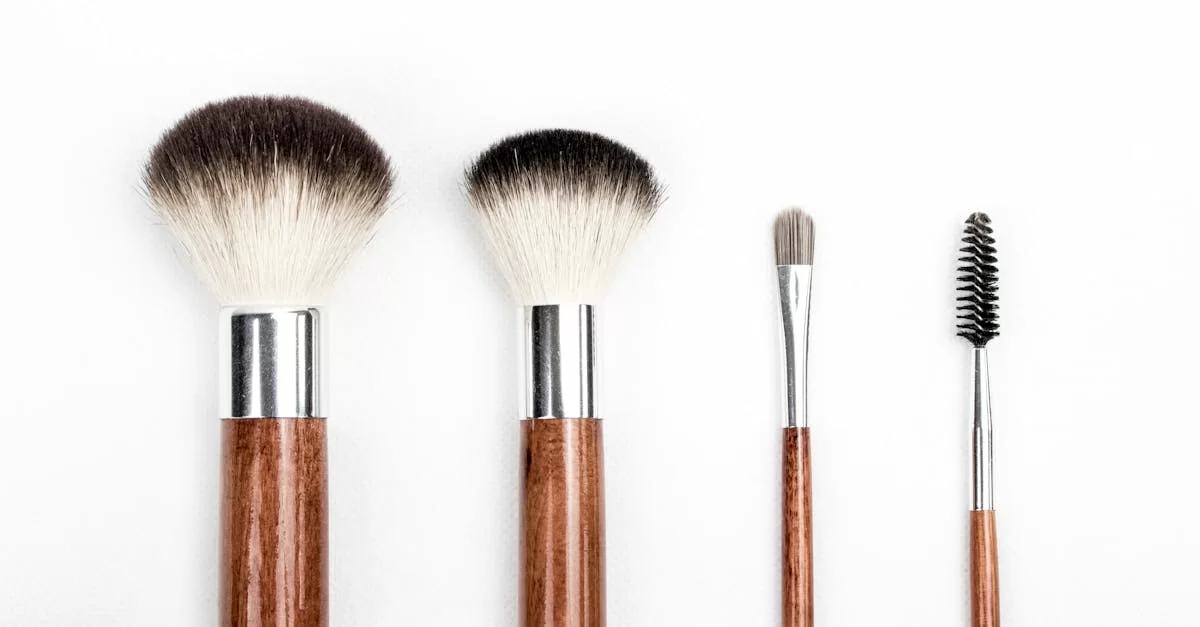
According to data from the General Administration of Customs, China's beauty and cosmetics exports grew by 17.2% year-on-year in 2023, with the Southeast Asian market growing by 41%. "It's not that foreign brands can't produce good products, but that China's supply chain can control costs to the extreme," revealed Mr. Zeng, who has been in the industry for ten years. The actual production cost of a certain European and American influencer-favorite eyeshadow palette is less than one-third of that of similar products from international big brands.
- Cost Advantage: A factory in Dongguan can provide customers with a full-chain service from formula R&D to packaging customization.
- Rapid Iteration: New product development cycle compressed to 1/5 of that of international big brands.
- Customization Capability: Supports flexible production orders with a minimum of 5,000 units.
Three Secrets to Successful Agency Models
Zhongmao Da's cross-border business director once encountered a typical case: a new brand with the concept of "Chinese style makeup" attempted to enter the Japanese market but had its entire container returned due to a lack of understanding of the local cosmetic ingredient registration system.
The core value of professional agencies lies in:
- Regulatory Firewall: Compliance modifications for regulations such as EU EC 1223/2013 and US FDA 21 CFR 700.
- Channel Accelerator: Direct connection with overseas buyer teams from Sephora, Ulta Beauty, etc.
- Logistics Optimizer: Reducing cross-border logistics costs by over 30% through bonded warehouse models.
How Can Small and Medium-Sized Brands Go Global with Support?
Mr. Zeng startup brand, through agency cooperation, entered the Middle Eastern market with a "three-step" strategy:
1. First enter local e-commerce platforms as an ODM to test products.
2. Adjust color saturation based on sales data (Middle Eastern consumers prefer rich hues).
3. Finally, enter duty-free channels through the offline resources of agents.
This "asset-light globalization" model allowed the brand to achieve annual sales exceeding 10 million yuan with an initial investment of less than 500,000 yuan.
Where is the Next Gold Mine?
With the RCEP policy dividend being released, emerging markets such as Vietnam and Malaysia are showing explosive growth. Data from a certain agency shows that the repurchase rate of Chinese makeup in the Southeast Asian market increased by 26% year-on-year in 2023, with waterproof products being particularly popular in tropical regions.
By the time you finish reading this article, another container of "Chinese red" lipsticks might be en route to Dubai Airport. Is your brand ready to hop on this international express train? Welcome to share your globalization challenges or success stories in the comment section.

Recent Comments (0) 0
Leave a Reply