"Mr. Pang has been very troubled recently. His original design clothing sells well domestically, but he always feels the market is limited. By chance, he heard that products could be sold overseas through cross-border agency, but how to do it specifically? How to control risks? How to distribute profits? These issues made him hesitate..." If you have similar concerns, this article will unveil the mystery of cross-border agency.
Why Has Cross-Border Agency Become a New Trend?
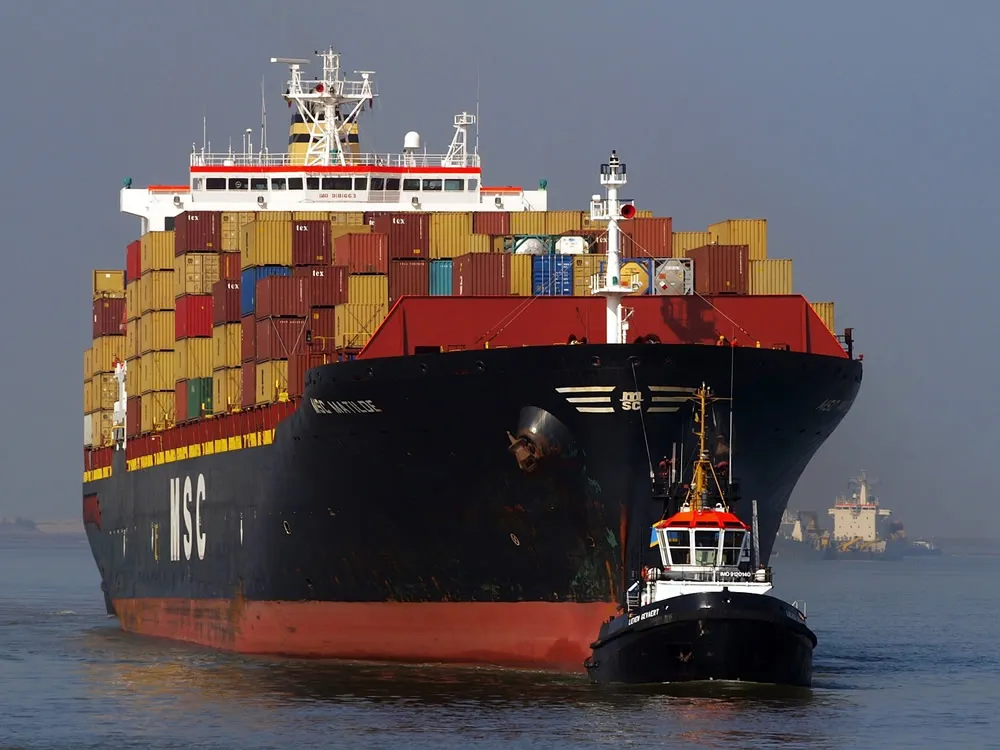
As global e-commerce penetration exceeds 20%, cross-border agency is transforming from a "niche choice" into a standard for businesses going global. Unlike the asset-heavy model of traditional foreign trade, the agency mechanism allows small and medium-sized enterprises to focus on their products while leveraging the channels, logistics, and customer resources of local agents. Data from Zhongmaoda Cross-border Research Institute shows that companies adopting agency models achieve an average of 3 times higher efficiency in overseas market expansion.
- Cost Optimization: No need to build overseas teams or warehouses
- Risk Diversification: Agents bear the pressure of local compliance, after-sales service, etc.
- Rapid Trial and Error: Multiple agents can be signed simultaneously in different countries to test market response
Three Agency Models: Which One Suits You?
Exclusive agency is suitable for high-average-transaction-value products. For example, Mr. Pang smart home brand granted exclusive rights to a German agent in exchange for a market deposit and annual sales commitments; regional agency is common for fast-moving consumer goods, such as a certain mother and baby brand that divides agency regions by continent; and online distribution agency is emerging as a new trend, where agents operate stores on platforms like Amazon and Shopee on behalf of brands.
Pitfall Avoidance Guide: Hidden Clauses in Agency Agreements
The biggest minefield in cross-border agency is often ambiguous responsibilities. A luggage brand once experienced cargo detention at the port due to an unclarified agreement on "whether the agent bears import duties." Professional lawyers suggest that agreements must include:
- Detailed clauses on intellectual property protection
- Minimum purchase quantities and breach of contract handling
- Proportion of market promotion cost sharing
- Inventory handling plan upon agency termination
Digital Tools Reconstruct the Agency Ecosystem
The agent management system developed by Zhongmaoda shows that companies using data dashboards have seen a 47% reduction in agency disputes. Real-time monitoring of inventory in various countries, automatic profit sharing and settlement, and multilingual collaboration systems are breaking down the information barriers of traditional agency models. As one industry insider said, "Even offline promotions by agents can now be verified through LBS location tracking."
Is Your Business Ready to "Sail by Borrowing a Boat"?
Cross-border agency is not simply "sign a contract - ship goods - receive payment," but the beginning of long-term value symbiosis. When Mr. Pang finally chose to co-create a co-branded product with a Southeast Asian agent, his monthly sales exceeded two million. Perhaps the next one to break market boundaries will be you, the reader of this article.
We welcome you to share in the comments section: If you were to engage in cross-border agency, which market would you most want to conquer? We will select 3 readers and offer them a free electronic copy of the cross-border agency risk self-assessment checklist.

Recent Comments (0) 0
Leave a Reply