Mr. Shen has been troubled recently. His small foreign trade company, after three years of operation, has been solely focused on apparel exports. However, customer demands have become increasingly diverse lately. Some inquire about purchasing electronic products on their behalf, while others ask about the procedures for importing food. This has led him to ponder: How broad can the business scope of import and export trade be? This question not only plagues Mr. Shen but is also a common query among many in the foreign trade industry.
Basic Framework of Import and Export Trade Business Scope
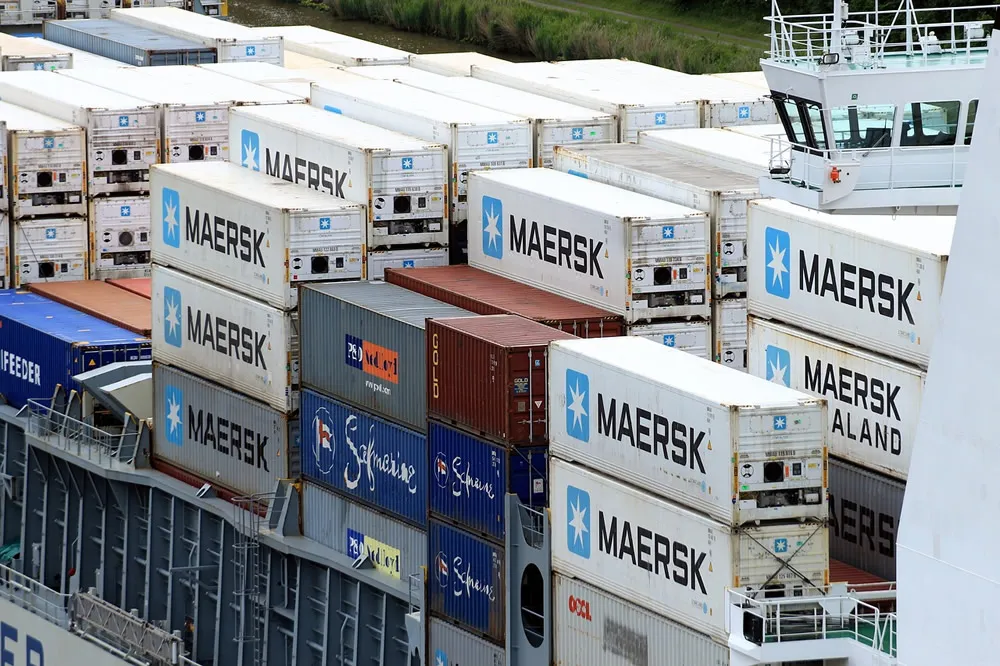
According to current regulations in our country, the business scope of import and export trade is primarily divided into the following categories:
- Import and Export of Goods: This is the most common type, encompassing cross-border transactions of tangible commodities such as raw materials, finished products, and semi-finished products.
- Import and Export of Technology: This covers the cross-border transfer of intangible assets like patents, proprietary technologies, and computer software.
- Trade in Services: This includes the cross-border provision of services such as transportation, tourism, construction, and finance.
Mr. Shen foreign trade company initially dealt only in textile exports. Later, it gradually expanded into technology import and export, and its annual turnover has now tripled. This case illustrates that reasonable expansion of business scope can bring immense business opportunities.
How to Determine a Suitable Business Scope?
Several key factors need to be considered when choosing a business scope:
- Enterprise Core Competencies: Zhongmaoda advises enterprises to start with their areas of strength.
- Target Market Demand: Demand for different products varies greatly across countries.
- Policy and Regulatory Restrictions: Certain goods require special qualifications or permits.
- Logistics and Capital Flow Capabilities: Bulk commodities and precision instruments have vastly different logistics requirements.
An industry insider who wished to remain anonymous stated, "Many companies fail not due to insufficient capability, but because of poor business scope selection." This statement is thought-provoking.

Practical Strategies for Business Scope Expansion
For enterprises looking to expand their business scope, the following strategies can be adopted:
- Gradual Expansion: Add related categories based on existing business.
- Regional Focus: Test new products in a specific market first.
- Partnership Model: Collaborate with other companies to compensate for deficiencies in qualifications or experience.
- Professional Consultation: Seek advice from professional institutions like Zhongmaoda.
It is important to note that a broader business scope is not always better. Excessive diversification can lead to insufficient resources and management difficulties. Finding the "golden range" that suits the enterprise's development is key.
Future Trends and Your Choice
With the rise of cross-border e-commerce and the restructuring of global supply chains, the business scope of import and export trade is undergoing profound changes. Traditional category boundaries are becoming increasingly blurred, while emerging fields like digital trade and green trade are on the rise.
In the face of such shifts, will you choose to hold your ground or actively explore new areas? There is no single correct answer to this question, but one thing is certain: understanding the possibilities of your business scope is essential for making wise decisions.
You are welcome to share your views and experiences on import and export trade business scope in the comments section, and let us discuss this important issue concerning the future development of enterprises together.

Recent Comments (0) 0
Leave a Reply