"The freight cost more than the goods!" This was Mr. Wen exclamation after purchasing a batch of equipment from overseas recently. Many importers like Mr. Wen face complex customs declaration processes and unpredictable freight costs, often paying a "tuition fee" during the import phase. This article will reveal the intricacies of import agents, customs declarations, and freight costs to help you navigate cross-border trade more smoothly.
Import Agent: Your Cross-Border Trade Navigator
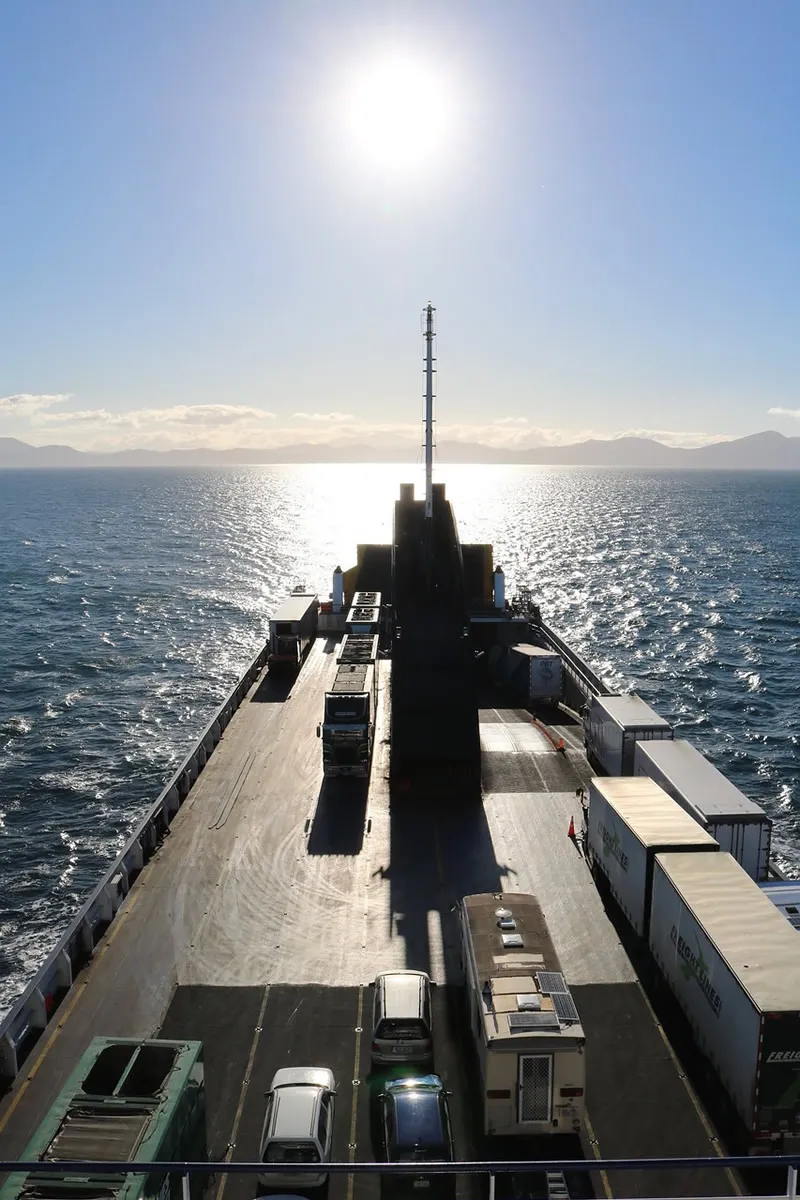
Choosing a professional import agent is like equipping your cross-border trade with an experienced navigator. Professional organizations such as **Zhongmaoda** not only help you handle the tedious customs declaration procedures but also plan the optimal logistics routes for you. Mr. Wen shared her experience: "I initially thought declaring customs myself would save money, but due to unfamiliarity with the process, my goods were detained at the port, leading to high storage fees instead."
- Qualification Verification: Confirm the agent company has complete customs registration and industry qualifications.
- Service Scope: Check if they offer end-to-end services from booking to customs clearance.
- Case References: Request successful import cases for similar products.
Import Customs Declaration: Details Determine Costs
Every detail in the customs declaration process can affect the final cost. The accurate classification of the Harmonized System (HS) Code directly relates to the tariff rate, while the declared value influences the calculation of Value Added Tax (VAT). An industry insider, who wished to remain anonymous, stated: "Nearly 30% of importers have to pay additional taxes later due to incorrect HS Code classification, which often costs several times more than the agent's fee."
Common customs declaration pitfalls include:
- Underestimating the value of goods, leading to customs scrutiny.
- Ignoring special regulatory requirements, resulting in returns.
- Incomplete documentation causing clearance delays.
Freight Cost Optimization: From "Passive Payment" to "Active Control"
Freight costs can account for 15%-25% of import costs, yet most importers lack systematic planning in this area. By implementing the following strategies, you can reduce your freight costs by over 20%:
- Transportation Mode Combination: A hybrid model of sea transport combined with rail/air freight.
- Seasonal Procurement: Avoid peak season freight surges.
- Bulk Discounts: Consolidate purchases to secure volume discounts.
Mr. Wang shared his experience: "By adjusting the shipping rhythm, I changed 12 air shipments to 3 sea shipments plus 1 air shipment, saving 40% on freight costs. Although the arrival time extended by two weeks, the overall efficiency actually improved."
Actionable Guide: Start Your Optimization Journey in Three Steps
Import cost optimization is not an overnight process, but you can take the first step today:
- Organize the cost details of your last 3 imports and analyze the proportion of each segment.
- Schedule a free consultation with a professional agent to get a customized solution.
- Establish an import cost monitoring table to continuously track optimization results.

Recent Comments (0) 0
Leave a Reply